
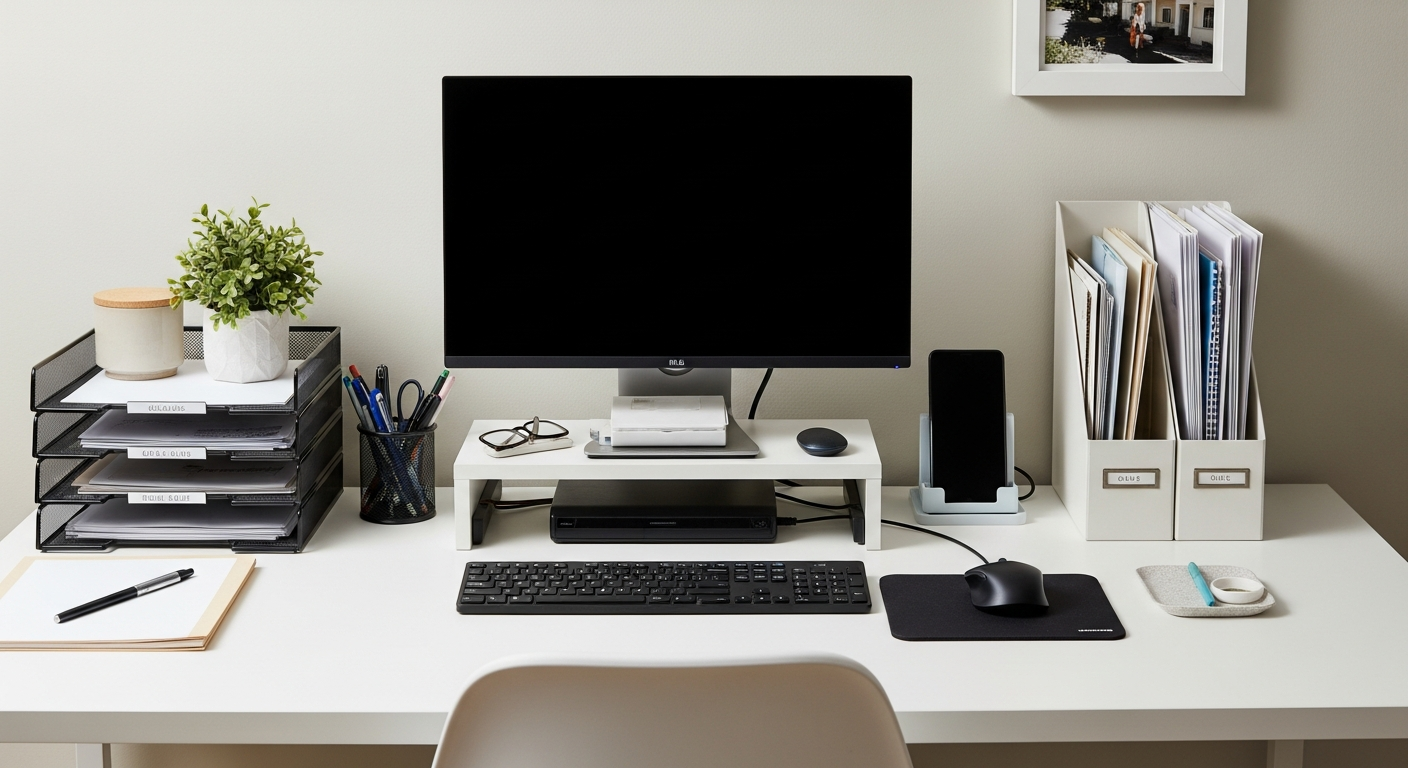
Working from home offers flexibility but can blur the lines between your job and personal life. This guide will help you create a healthy balance, ensuring you thrive both professionally and personally.
1. How do I create clear boundaries between work and home?
Set a dedicated workspace, even if it's just a corner of a room. This physical separation helps your brain switch between "work mode" and "home mode." Avoid working from your bed or couch, as this makes it harder to disconnect.
Establish consistent start and end times for your workday, just like you would in an office. Communicate these hours to colleagues and family. Sticking to a schedule helps prevent work from spilling into your personal time.
2. What are some strategies to "unplug" after work?
Create a "shutdown ritual" at the end of your workday. This could be closing your laptop, tidying your workspace, or taking a short walk. This signals to your brain that work is over.
Turn off work notifications on your phone and computer. Resist the urge to check emails or messages after hours. Engage in hobbies, exercise, or spend time with loved ones to fully shift your focus away from work.
3. How can I avoid burnout when working remotely?
Regularly schedule short breaks throughout your day to step away from your screen. Take a walk, stretch, or grab a snack. These micro-breaks help refresh your mind and prevent fatigue.
Ensure you take your full lunch break and use your vacation days. Disconnecting completely allows for proper rest and rejuvenation. Don't let the convenience of working from home lead to overworking.
Working Non-Stop
- Constant screen time
- Skipping breaks
- Feeling "always on"
- Work spills into evenings
Healthy Work Habits
- Scheduled breaks
- Clear end-of-day
- Dedicated workspace
- Time for hobbies
4. Should I get dressed for work even if I'm at home?
Yes, getting dressed helps create a mental shift into work mode. You don't need a full suit, but changing out of pajamas into comfortable "work clothes" can boost your productivity and professionalism.
This routine signals to your brain that it's time to focus. It also prepares you for unexpected video calls and helps maintain a sense of normalcy, which is important for your mental well-being.
5. How do I manage family interruptions during work hours?
Communicate your work schedule to your family. Explain when you need uninterrupted time and set clear expectations. Use visual cues, like a "Do Not Disturb" sign on your office door, if possible.
If you have young children, coordinate with a partner or arrange childcare during critical work periods. Schedule specific times to interact with family during your breaks, so they know when they can get your full attention.
6. What are healthy habits for remote workers?
Prioritize physical activity. Schedule time for exercise, whether it's a walk, a home workout, or a trip to the gym. Regular movement combats the sedentary nature of remote work and boosts your mood.
Maintain a healthy diet and stay hydrated. It's easy to snack mindlessly when you're always near the kitchen. Plan your meals and keep healthy options accessible. Get enough sleep to ensure you're well-rested and focused.
7. How can I maintain social connections outside of work?
Actively seek out opportunities for social interaction. Join clubs, volunteer, or participate in community events. Schedule regular meet-ups with friends and family, even if it's just a virtual coffee chat.
Don't rely solely on work colleagues for social connection. While work friendships are great, having a diverse social circle helps enrich your life and provides different perspectives outside of your professional bubble.
Daily Remote Work Flow
8. Is it okay to take personal breaks during the workday?
Absolutely! Taking short personal breaks is not only okay but encouraged. Step away to stretch, grab a snack, or handle a quick personal errand. These breaks help you return to your work refreshed and more focused.
Think of them as mini-resets. Just be mindful of your company's policies and ensure these breaks don't significantly impact your productivity or meeting schedule. Communicate if you need a longer break for an appointment.
9. How do I deal with feeling like I'm "always on"?
Establish firm boundaries for when you're available and stick to them. Avoid checking work emails or messages outside of your designated work hours. This discipline helps train both yourself and your colleagues about your availability.
Learn to say no to requests that fall outside your work hours or capacity. Prioritize your well-being over the urge to constantly be responsive. Remember, your personal time is just as important as your work time.
10. What if my workspace is also my living space?
If you can't have a separate room, create a "zone" for work. Use a screen, a room divider, or even just arrange furniture to visually separate your work area from your relaxation areas. This helps your brain differentiate between the two.
At the end of your workday, "put away" your work. Close your laptop, store documents, or cover your desk. This physical act helps you mentally transition out of work mode, even if your setup remains in the same room.