
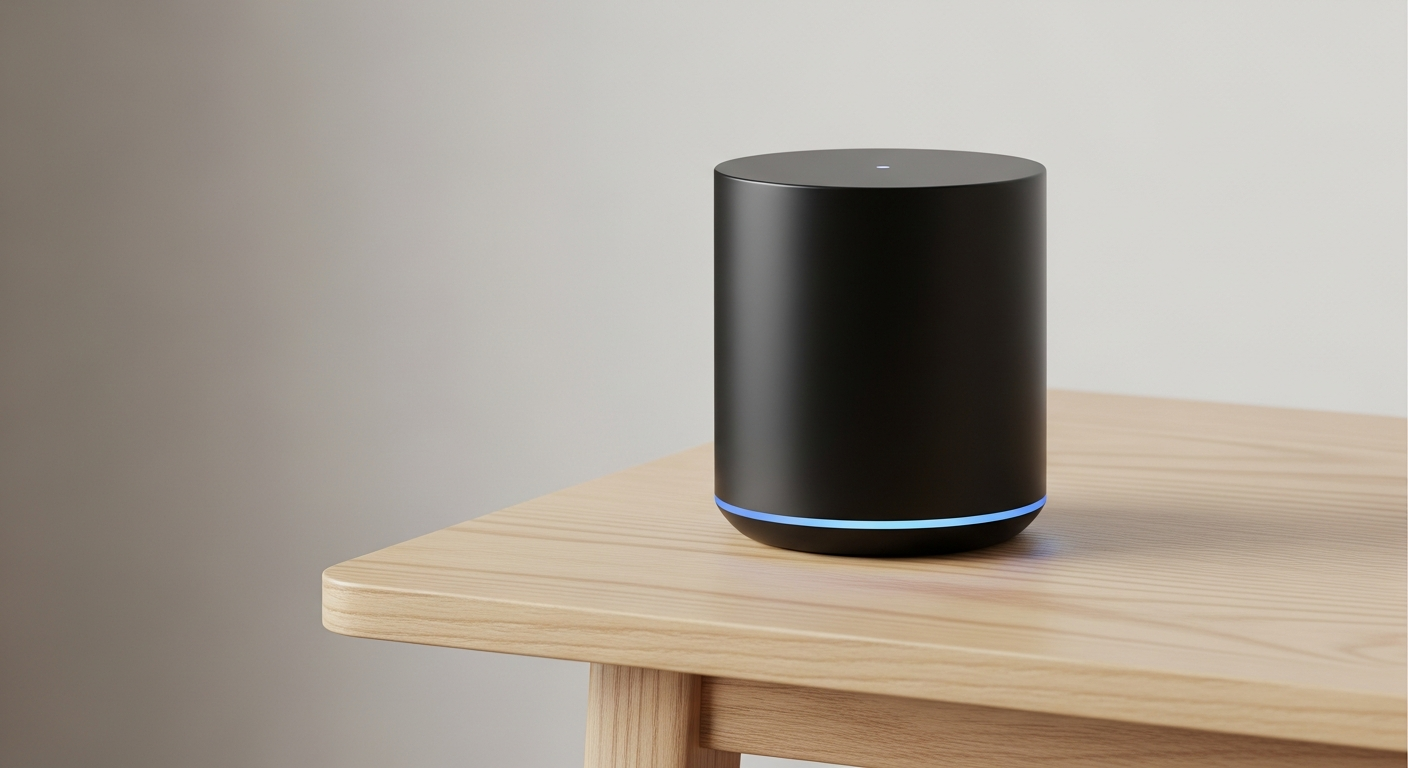
Welcome to the future of living! A smart home uses technology to make your life easier and your home more efficient. This guide will answer your questions and help you take the first steps into making your home smarter.
1. What exactly is a smart home?
A smart home is a house where many devices are connected to the internet and can talk to each other. You can control these devices remotely, often with your voice, a smartphone app, or even automatically based on schedules or events. Think of it as your home having a brain!
2. What are the main benefits of having a smart home?
Smart homes offer several great benefits. They can save you money on energy bills by optimizing heating and lighting. They also add convenience, letting you control things from anywhere. Plus, smart homes can boost your home's security and give you peace of mind.
3. Do I need special internet for a smart home?
No, you typically don't need special internet. Most smart home devices work perfectly fine with your existing home Wi-Fi network. However, a stable and reasonably fast internet connection helps ensure all your devices communicate smoothly and reliably.
Standard Wi-Fi
- Pros: Already have it, works with most devices, easy setup.
- Cons: Can get crowded with many devices, range limitations.
Advanced Mesh Wi-Fi
- Pros: Better coverage for large homes, handles more devices, faster speeds.
- Cons: More expensive, might require new equipment.
4. What are some basic smart home devices?
Common starting points include smart speakers (like Amazon Echo or Google Nest), which let you use voice commands. Smart lights allow you to change brightness and color from your phone. Smart plugs turn any regular appliance into a "smart" one you can control remotely.
5. How do smart home devices connect to each other?
Devices connect using various wireless technologies. Wi-Fi is common for many devices. Bluetooth is used for short-range connections. Other technologies like Zigbee and Z-Wave are specifically designed for smart home devices, offering low power use and creating a mesh network for better coverage.
6. Is it expensive to start a smart home?
It doesn't have to be! You can start small with just a few affordable smart plugs or a smart bulb. The cost varies widely depending on how many devices you want and their features. Many people build their smart home gradually over time.
7. What's the easiest way to begin building a smart home?
The easiest way to start is by choosing one area you want to improve, like lighting or security. Pick a simple device, such as a smart speaker or a smart lighting kit, and get comfortable with it. You can then add more devices as you learn and see what works best for you.
Smart Home Starting Flow
8. Can I use different brands of smart devices together?
Yes, often you can! Many smart home systems are designed to work with devices from various brands. Look for compatibility labels like "Works with Alexa," "Works with Google Home," or "Matter-certified." These indicate that devices can communicate even if they're from different manufacturers.
9. What is a smart home ecosystem?
A smart home ecosystem is a group of smart devices and services that work together seamlessly, usually centered around a main platform like Amazon Alexa, Google Home, Apple HomeKit, or Samsung SmartThings. Choosing an ecosystem helps ensure your devices communicate smoothly and are controlled from one app or voice assistant.
10. Where can I find reliable information about smart home products?
ByteCurate.com is a great place to start! You can also check reputable tech review websites, consumer electronics magazines, and manufacturer websites. Always read user reviews, but be aware that individual experiences can vary. Look for consistent feedback across multiple sources.