
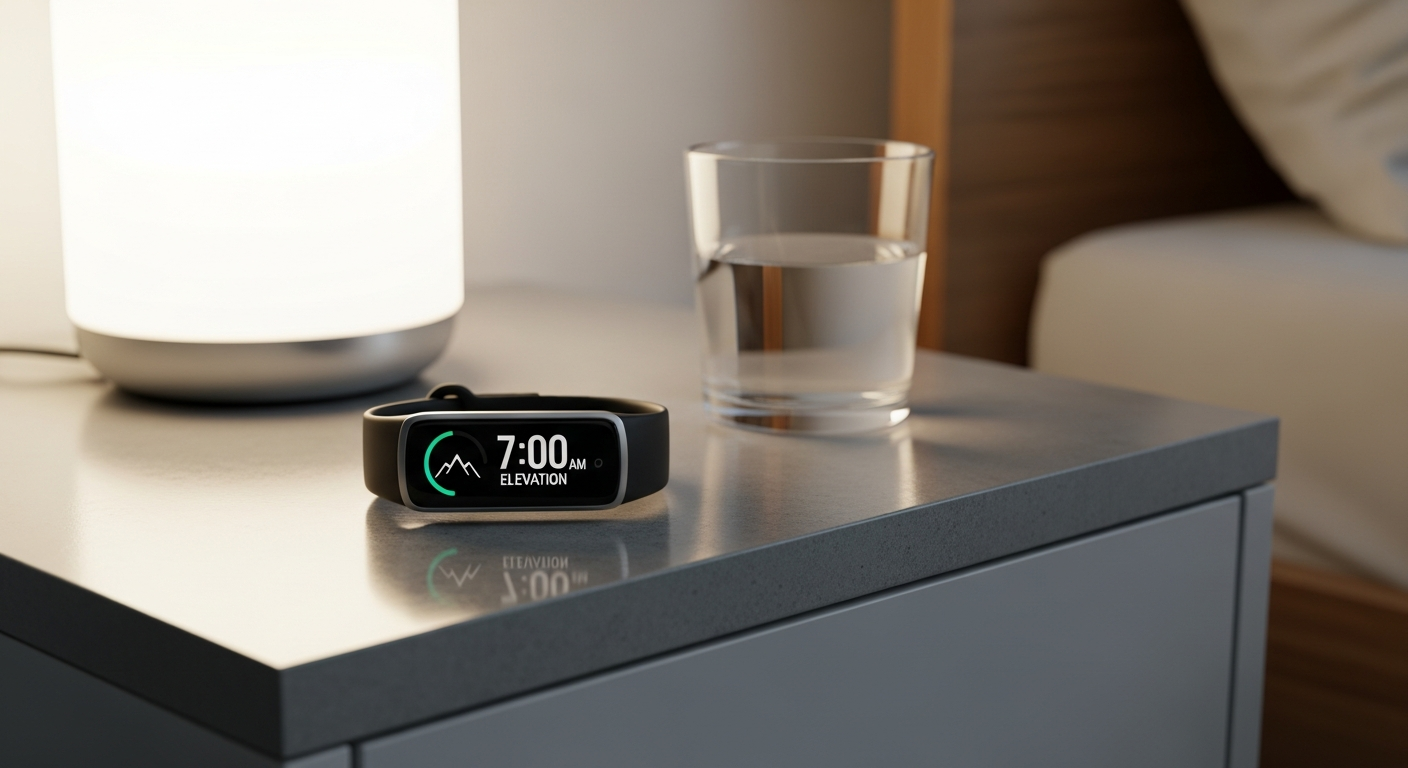
Ever wondered about those sleek gadgets people wear on their wrists? They're called fitness trackers, and they're designed to help you understand your body and activity better.
1. What exactly is a fitness tracker?
A fitness tracker is a small electronic device, often worn like a watch, that monitors various aspects of your health and daily activity. It's like having a tiny personal assistant for your well-being, keeping tabs on how much you move, sleep, and even your heart rate throughout the day.
2. How does a fitness tracker work?
These devices use tiny sensors to collect data. For example, an accelerometer detects movement to count your steps, while a heart rate sensor uses light to measure your pulse. This information is then processed and displayed on the tracker's screen or sent to an app on your smartphone for a more detailed view.
3. What are the main benefits of using a fitness tracker?
Fitness trackers offer several benefits. They help you stay motivated by setting goals, provide insights into your activity levels, improve sleep patterns, and can even alert you to potential health trends. Seeing your progress can be a powerful tool for making healthier choices every day.
Basic Tracker
- Counts steps & distance
- Tracks calories burned
- Monitors sleep
- Simple display
- Long battery life
Advanced Tracker
- All basic features +
- Heart rate monitoring
- GPS for routes
- Blood oxygen tracking
- Smartwatch features (notifications)
4. Who should consider getting a fitness tracker?
Anyone looking to improve their health and fitness can benefit. This includes people wanting to become more active, track their sleep, manage stress, or simply understand their daily habits better. They're great for setting personal goals and seeing your progress over time.
5. Are fitness trackers only for athletes?
Not at all! While athletes certainly use them to optimize training, fitness trackers are designed for everyone. They help everyday people achieve basic health goals like walking more, getting better sleep, or simply being more aware of their body's signals. Many features are useful for a general healthy lifestyle.
6. Can a fitness tracker help me lose weight?
Yes, a fitness tracker can be a helpful tool in your weight loss journey. It can track calories burned, remind you to move, and help you see if you're consistently active. However, it's a tool, not a magic solution; combining it with a healthy diet and consistent effort is key for successful weight loss.
7. Do I need a smartphone to use a fitness tracker?
Most fitness trackers work best when paired with a smartphone. The phone app provides a larger screen for detailed data, historical trends, and allows you to customize settings. While some basic trackers can operate independently, a smartphone unlocks the full potential and insights of your device.
Your Fitness Tracker Journey
8. How accurate are fitness trackers?
Modern fitness trackers are generally quite accurate for tracking steps, distance, and sleep patterns, especially during typical daily activities. Heart rate monitoring is also reliable for most users. However, accuracy can vary between brands and models, and they are not medical devices, so they shouldn't replace professional medical advice.
9. What's the difference between a basic and advanced tracker?
Basic trackers focus on core functions like steps, distance, and sleep. Advanced trackers, often called smartwatches, add features like continuous heart rate monitoring, GPS for mapping outdoor activities, blood oxygen tracking, and smartphone notifications. They offer more detailed data and broader functionality, but usually come at a higher price.
10. Where can I buy a fitness tracker?
You can find fitness trackers at most major electronics stores, department stores, and online retailers. Popular brands include Fitbit, Apple Watch, Garmin, and Samsung. It's a good idea to research different models and read reviews to find one that best fits your needs and budget.