
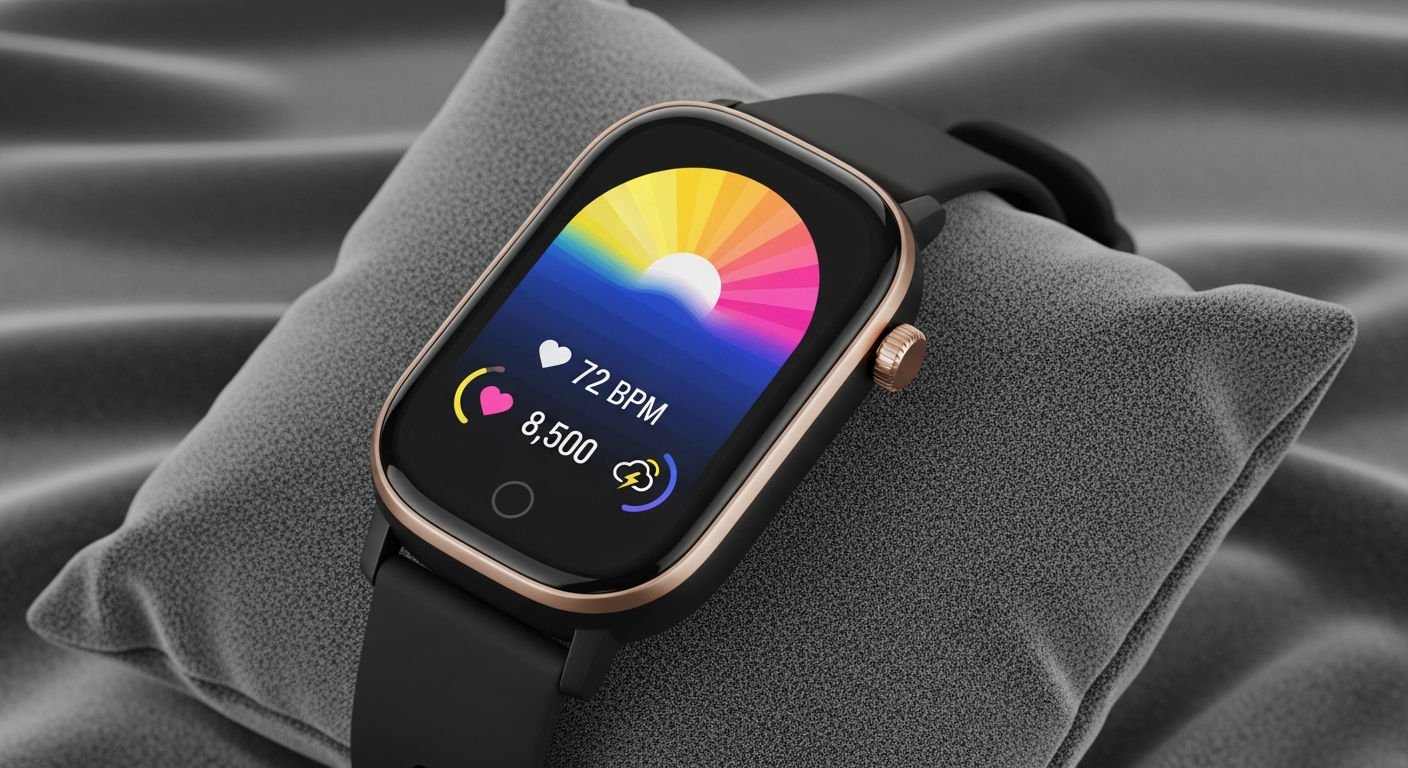
Thinking about getting healthier but don't know where to start? A fitness tracker might be just what you need to begin your journey. These small devices can help you understand your body and daily habits better.
1. What exactly is a fitness tracker?
A fitness tracker is a small, wearable electronic device, often worn on your wrist like a watch. Its main job is to monitor and record various things about your physical activity and health throughout the day. Think of it as a personal health assistant that keeps track of your movements.
2. How do fitness trackers measure activity?
Most trackers use tiny sensors inside them. For example, an accelerometer detects your movement, like steps taken or how far you've walked. Some also have a heart rate sensor that shines light onto your skin to measure your pulse. This data helps the tracker understand your activity levels.
3. Do I need a smartphone to use a fitness tracker?
While many fitness trackers can work on their own to collect data, you usually need a smartphone or tablet to see all the information clearly. The tracker sends its data to an app on your phone, where you can view your progress, set goals, and get insights. It's like the tracker collects the puzzle pieces, and your phone puts them together.
Fitness Tracker Alone
- Tracks steps, heart rate (on device)
- Shows basic info on small screen
- Good for quick checks
- Limited history or detailed graphs
Tracker + Smartphone App
- Detailed daily/weekly/monthly reports
- Set goals and track progress visually
- Connect with friends (optional)
- Get personalized health insights
4. What are the basic features of most trackers?
Most fitness trackers count your steps, estimate the distance you've walked, and calculate calories burned. Many also monitor your heart rate and track your sleep patterns. Some even remind you to move if you've been sitting for too long, encouraging you to stay active throughout the day.
5. Can a fitness tracker really improve my health?
Yes, it absolutely can! By showing you how active you are (or aren't), a tracker helps you become more aware of your habits. Seeing your daily steps or sleep quality can motivate you to make small, positive changes. These small changes, like walking a bit more each day, add up over time to improve your overall health.
6. Are they suitable for absolute beginners?
Fitness trackers are excellent for beginners. They don't require any special knowledge or skills. You just wear it, and it starts collecting data. The information it provides is usually easy to understand, helping you set realistic goals and celebrate small wins as you begin your health journey.
7. What kind of data do they collect?
Trackers collect data on your steps taken, distance traveled, calories burned, and active minutes. Many also track your heart rate continuously and analyze your sleep stages (like light, deep, and REM sleep). Some advanced models might even measure your blood oxygen levels or stress.
How Your Tracker Helps You
8. Is it easy to understand the data?
Yes, fitness tracker apps are designed to be very user-friendly. They usually display your data with clear graphs and simple numbers. You'll see your daily steps, how many hours you slept, and your average heart rate at a glance. The goal is to make health information accessible, not confusing.
9. What's the main benefit of wearing one daily?
The biggest benefit is increased self-awareness. By seeing your habits laid out clearly, you become more mindful of your choices. It helps you identify patterns, like when you're most active or when your sleep is poor, empowering you to make small, consistent changes for a healthier lifestyle.
10. How do I start using one effectively?
First, wear it consistently every day. Second, connect it to its smartphone app and explore the data. Third, set a simple, achievable goal, like adding 500 extra steps a day or going to bed 15 minutes earlier. Don't try to change everything at once; focus on one small improvement at a time and let your tracker guide you.