
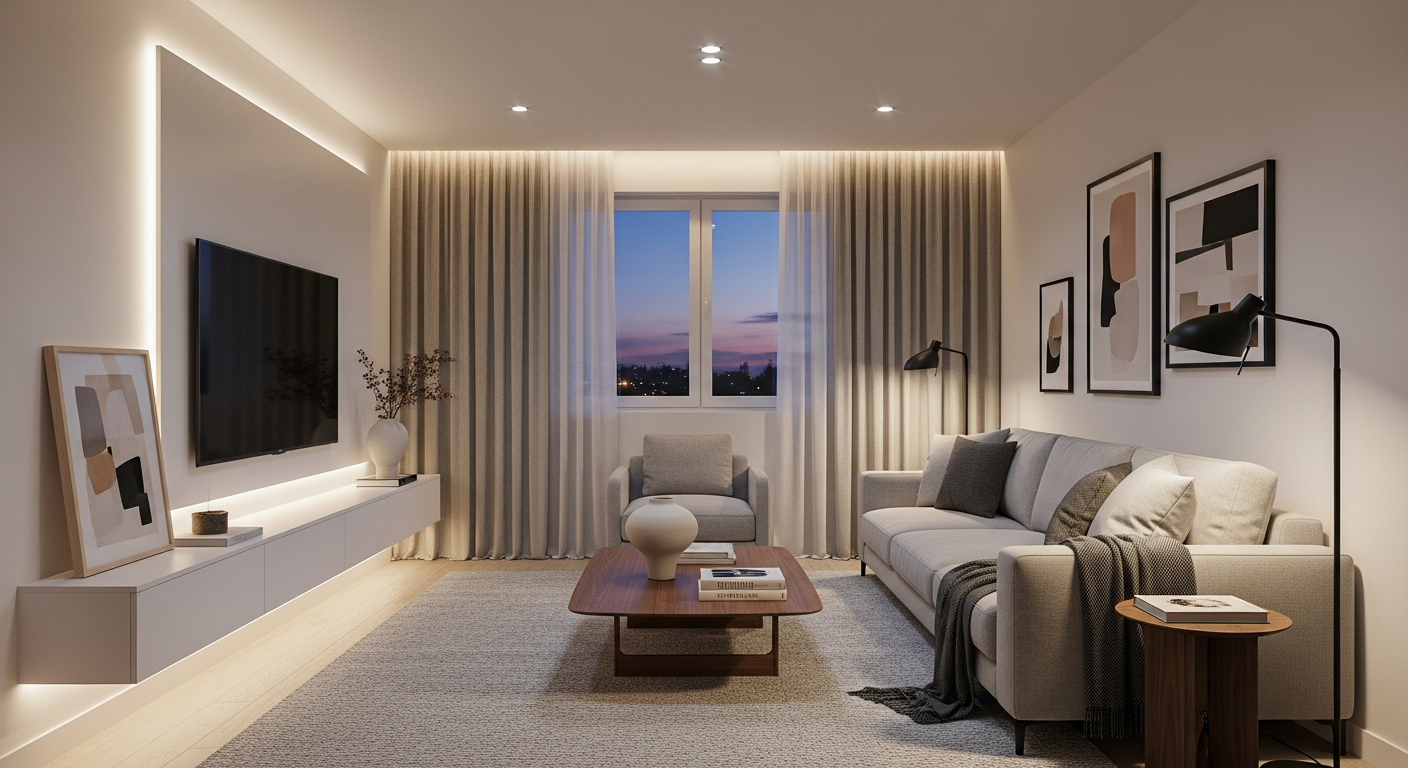
Smart lights are a modern way to light up your home, offering much more than just turning on and off. They bring convenience, customization, and a touch of future tech right to your fingertips.
1. What are smart lights?
Smart lights are light bulbs or fixtures that you can control wirelessly. Instead of just a wall switch, you can use your smartphone, a voice assistant, or even special sensors to manage them. They connect to your home's internet network, allowing for clever features.
2. How do smart light bulbs differ from regular ones?
Regular bulbs simply turn on or off with a switch. Smart bulbs, however, contain tiny computers and radios that let them connect to your Wi-Fi or another network. This connection allows them to do things like change brightness, color, or even turn on and off automatically based on schedules or events.
3. Do I need a hub for smart lights?
It depends on the brand. Some smart lights, often called "hub-less," connect directly to your home Wi-Fi. Others require a central device called a "hub" or "bridge." This hub acts as a translator, allowing many smart lights to talk to each other and to your home network more efficiently.
Hub-less Smart Lights
- Connects directly to Wi-Fi
- Easier setup for a few bulbs
- May use more Wi-Fi bandwidth
- Limited advanced features
Hub-based Smart Lights
- Connects via a central hub
- Better for many bulbs
- Dedicated network, less Wi-Fi strain
- More advanced features and integrations
4. Can I change the color of smart lights?
Absolutely! Many smart lights, known as "color-changing" or "RGBW" bulbs, can display millions of different colors, including various shades of white. You can pick the perfect hue for any mood, from a bright working light to a cozy warm glow or even a vibrant party color.
5. How do I control smart lights?
The most common way is through a smartphone app provided by the light's manufacturer. You can also use voice commands with smart speakers like Amazon Alexa, Google Assistant, or Apple HomeKit. Some systems offer special smart switches, motion sensors, or even remote controls for added convenience.
6. Are smart lights energy-efficient?
Yes, most smart lights are LED (Light Emitting Diode) bulbs, which are very energy-efficient. They use significantly less electricity than old incandescent bulbs and last much longer. Their smart features, like dimming and scheduling, can also help you save energy by ensuring lights are only on when needed and at the right brightness.
7. What are some cool things I can do with smart lighting?
You can set schedules for lights to turn on before you wake up or off when you leave. Sync them with music for a party atmosphere, or have them change color to match your TV content. You can also use them for security, making it look like someone's home even when you're away, or integrate them with motion sensors to light up a path at night.
Smart Light Automation Ideas
8. Can smart lights be used outdoors?
Yes, many brands offer smart outdoor lighting solutions. These are specifically designed to withstand weather conditions like rain, snow, and extreme temperatures. You can find smart floodlights, path lights, and even decorative string lights that you can control from your phone, perfect for enhancing your garden or patio.
9. What happens if my Wi-Fi goes out?
If your Wi-Fi goes out, most smart lights will lose their "smart" features like app control, voice commands, and automation. However, many are designed to still function as regular light bulbs using your physical wall switch. They will typically turn on/off at their last setting, or a default brightness, until Wi-Fi is restored.
10. Are smart lights worth the extra cost?
While smart lights are generally more expensive upfront than traditional bulbs, many users find the benefits outweigh the cost. The convenience, energy savings from LED technology and smart features, enhanced security, and ability to personalize your home's ambiance make them a valuable upgrade for many modern homes.