
Smart appliances are everyday home devices that connect to the internet, letting you control them remotely and automate tasks. They offer convenience and efficiency, but many wonder if they're truly worth the extra cost.
1. What defines a "smart appliance"?
A smart appliance is a home device that connects to your home's internet network (Wi-Fi). This connection allows you to control it using a smartphone app, voice commands, or even other smart devices. It's like giving your regular appliances a brain and a way to talk to you.
These appliances often have sensors that gather information, like how much milk is left in your fridge or if your laundry is done. They can then send you alerts or even make decisions based on this data, making your home life more automated and convenient.
2. What kind of smart appliances are available for the kitchen?
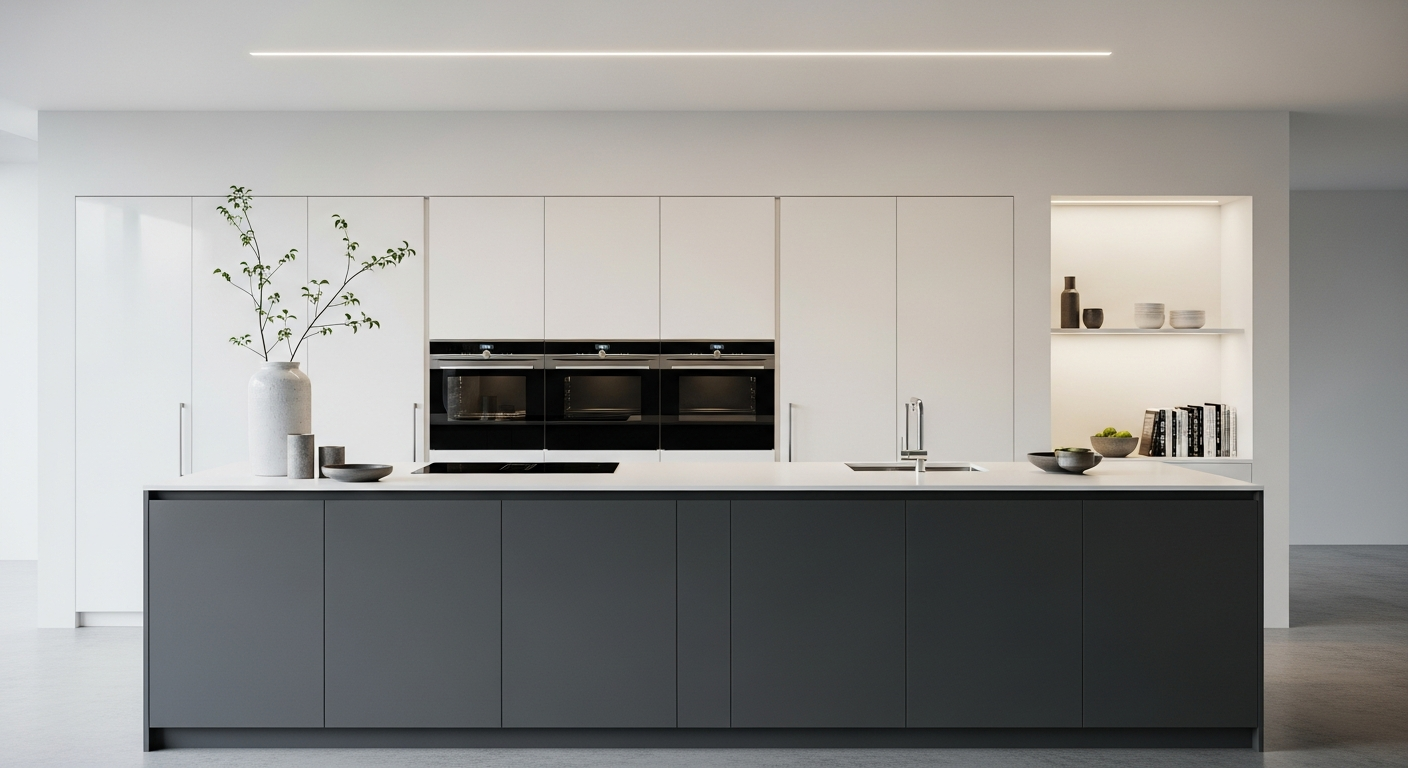
In the kitchen, you can find smart refrigerators that track inventory and suggest recipes, or smart ovens that you can preheat from your phone on your way home. There are also smart dishwashers that order more detergent when it's low, and even smart coffee makers that brew your morning cup on a schedule.
Other popular smart kitchen gadgets include smart microwaves, air fryers, and slow cookers. These all aim to simplify cooking, reduce food waste, and give you more control over your meal prep, even when you're not physically in the kitchen.
3. How do smart washing machines and dryers work?
Smart washing machines and dryers connect to your home Wi-Fi and can be controlled via an app on your phone. You can start, stop, or pause a cycle from anywhere, get alerts when laundry is done, or even choose specific wash settings remotely.
Some models can sense the load size and fabric type, then automatically select the best cycle. They might also integrate with smart home systems, so your dryer could tell your smart lights to dim when the cycle finishes, or reorder detergent when you're running low.
Traditional Appliances
- Manual control only
- No remote access
- Fixed schedules
- No alerts or notifications
- Operates independently
Smart Appliances
- App & voice control
- Remote operation
- Automated tasks
- Real-time alerts
- Integrates with other devices
4. Can smart appliances really make my life easier?
Yes, many people find smart appliances significantly simplify daily chores. Imagine preheating your oven on your commute home, getting an alert when your laundry is done, or your fridge telling you when you're low on milk. These features save time and reduce mental load.
They can also help with energy efficiency by running at off-peak hours or optimizing cycles. For busy individuals or those who want more control over their home, smart appliances offer a new level of convenience and automation.
5. Do smart appliances require a special hub?
Most modern smart appliances connect directly to your home's Wi-Fi network, so they don't always need a separate "hub." You typically control them through their specific brand's app on your smartphone.
However, some smart home setups use a central hub (like Amazon Echo or Google Home) to control many different brands of devices from one place, or to create more complex automated routines. While not strictly necessary for individual appliances, a hub can enhance the overall smart home experience.
6. Are smart appliances more expensive than traditional ones?
Generally, yes, smart appliances tend to have a higher upfront cost compared to their traditional counterparts. The extra technology, sensors, and connectivity features add to the manufacturing expense, which is then passed on to the consumer.
However, prices are becoming more competitive as the technology becomes more common. While the initial investment is higher, some smart appliances can offer long-term savings through improved energy efficiency or by helping reduce waste.
7. What are the main benefits of owning smart appliances?
The primary benefits include convenience, efficiency, and peace of mind. You can control devices remotely, automate routine tasks, and receive helpful alerts. This saves time and makes managing your home easier.
Smart appliances can also help with energy management by running at optimal times or providing usage data. For example, a smart thermostat can learn your preferences and adjust temperatures to save energy without you needing to think about it.
Smart Appliance Workflow
8. Are there any privacy concerns with smart appliances?
Yes, privacy is a valid concern with any internet-connected device. Smart appliances collect data about your usage patterns, such as when you run your dishwasher or what's in your fridge. This data is often sent to the manufacturer's servers.
It's important to understand what data is being collected and how it's used. Always review the privacy policies of the brands you choose, use strong passwords, and ensure your home Wi-Fi network is secure to protect your personal information.
9. What happens if the internet goes out?
If your internet goes out, most smart appliances will still function as traditional appliances. You'll lose the "smart" features like remote control, app notifications, and voice commands, but you can usually operate them manually using the buttons on the device itself.
Some advanced features, like energy monitoring or automatic reordering of supplies, might also be unavailable until your internet connection is restored. It's rare for an internet outage to completely disable the core function of the appliance.
10. Is it difficult to set up and use smart appliances?
Setting up most modern smart appliances is designed to be straightforward. You typically download a smartphone app, plug in the appliance, and follow on-screen instructions to connect it to your home Wi-Fi. Many apps guide you step-by-step through the process.
Using them is often as simple as tapping buttons in an app or speaking a command to a smart speaker. While there might be a small learning curve for advanced features, the basic functions are usually very user-friendly, even for those new to tech.