
Welcome to the world of electric cars! If you're curious about these modern vehicles but find all the tech talk confusing, you've come to the right place. We'll break down what electric cars are and how they work in simple terms.
1. What exactly is an electric car (EV)?
An electric car, often called an EV, is a vehicle that runs purely on electricity. Instead of burning gasoline, it uses a large battery to power an electric motor. Think of it like a giant remote-control car, but one you can sit inside and drive on the road!
2. How does an electric car make the wheels turn?
It's quite simple! The electricity stored in the car's battery pack flows to an electric motor. This motor then spins, creating the power needed to turn the car's wheels. When you press the accelerator pedal, you're telling the motor to spin faster, making the car go quicker.
3. What is the main difference between an EV and a gasoline car?
The biggest difference is their power source. Gasoline cars use an internal combustion engine that burns fuel to create movement. EVs use an electric motor powered by a battery. This means EVs produce zero tailpipe emissions, making them much cleaner for the air we breathe.
Electric Car (EV)
- Powered by a battery and electric motor.
- "Fueled" by plugging into an electrical outlet.
- No tailpipe emissions (cleaner air).
- Quieter operation.
- Fewer moving parts.
Gasoline Car
- Powered by an engine burning gasoline.
- "Fueled" by pumping gasoline at a station.
- Produces tailpipe emissions (smog, greenhouse gases).
- Engine noise.
- Many complex moving parts.
4. Do electric cars have engines?
No, not in the traditional sense. Gasoline cars have an "engine" that burns fuel. Electric cars have an "electric motor" instead. This motor converts electrical energy from the battery into mechanical energy to move the car. It's a different kind of power unit.
5. What is a battery pack in an EV?
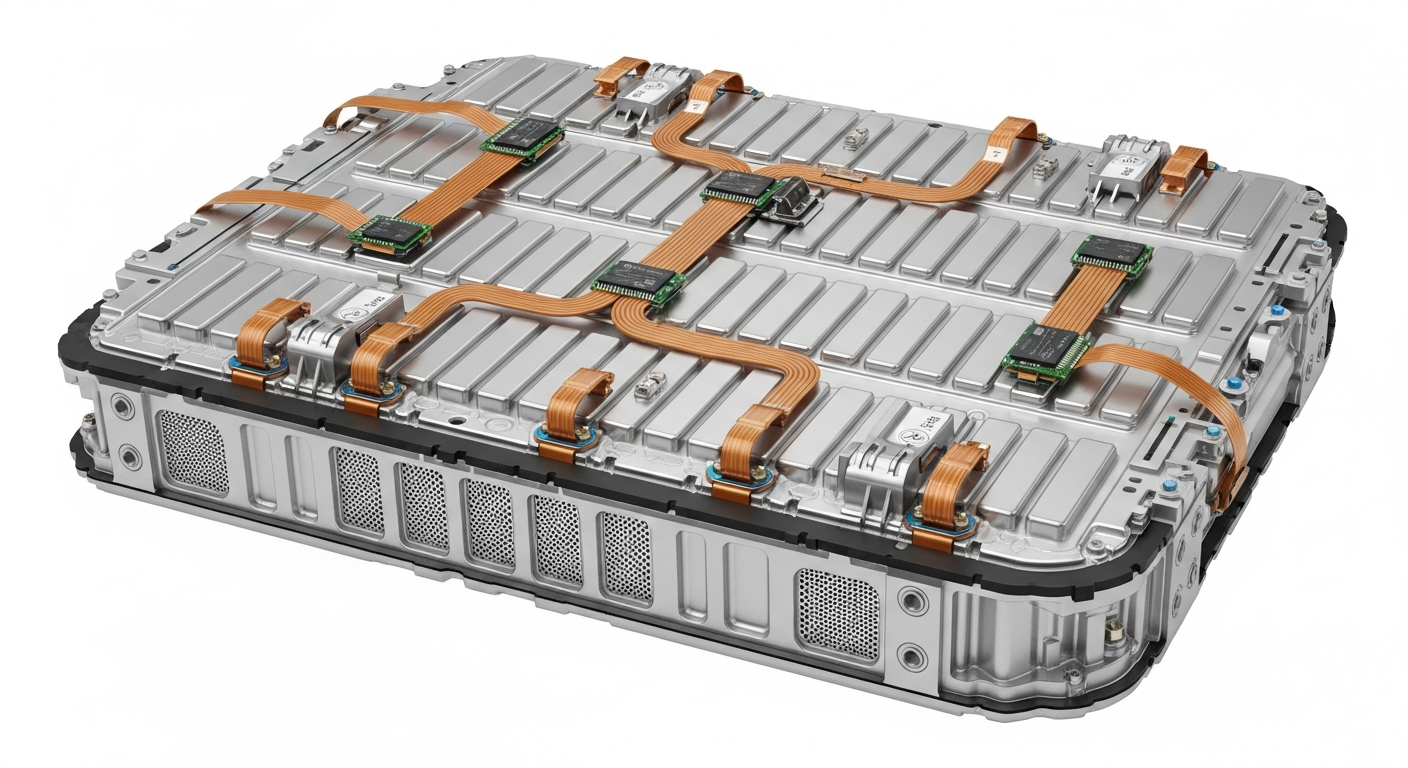
An EV's battery pack is like a very large, powerful version of the battery in your smartphone or laptop. It's made up of many individual battery cells grouped together. This pack stores the electricity that powers the car and is usually located under the car's floor.
6. How do you 'fuel' an electric car?
You "fuel" an EV by plugging it into an electricity source, just like charging your phone. This is called charging. You can charge at home using a special charger or a regular wall outlet, or at public charging stations found in many places like malls and workplaces.
7. Are all electric cars fully electric?
No, not all cars that use electricity are fully electric. Fully electric cars (BEVs) run only on electricity. There are also "hybrid" cars that combine a gasoline engine with an electric motor. Plug-in hybrids (PHEVs) can run on electricity for a certain distance before switching to gasoline.
Types of Electric Vehicles
Battery Electric Vehicle (BEV)
100% electric. No gasoline engine. Zero tailpipe emissions. Charges by plugging in.
Plug-in Hybrid Electric Vehicle (PHEV)
Has both an electric motor and a gasoline engine. Can run on electricity for a limited range, then switches to gasoline. Charges by plugging in.
Hybrid Electric Vehicle (HEV)
Has both an electric motor and a gasoline engine. Cannot be plugged in to charge; battery recharges from the engine and braking.
8. What is regenerative braking?
Regenerative braking is a clever feature in EVs that helps save energy. When you lift your foot off the accelerator or press the brake pedal, the electric motor reverses its function. Instead of using electricity, it generates electricity, sending it back to the battery. It's like recycling energy!
9. Do electric cars use oil or coolant?
Electric cars do not use engine oil like gasoline cars do, because they don't have an engine that burns fuel. However, they do use special fluids. They need coolant to keep the battery pack and electric motor at the right temperature, and they use brake fluid, just like any other car.
10. Can electric cars be fast?
Absolutely! Electric motors deliver instant power, meaning EVs can accelerate very quickly from a standstill. Many electric cars, especially high-performance models, can be incredibly fast and offer thrilling acceleration, often outperforming many gasoline sports cars.