
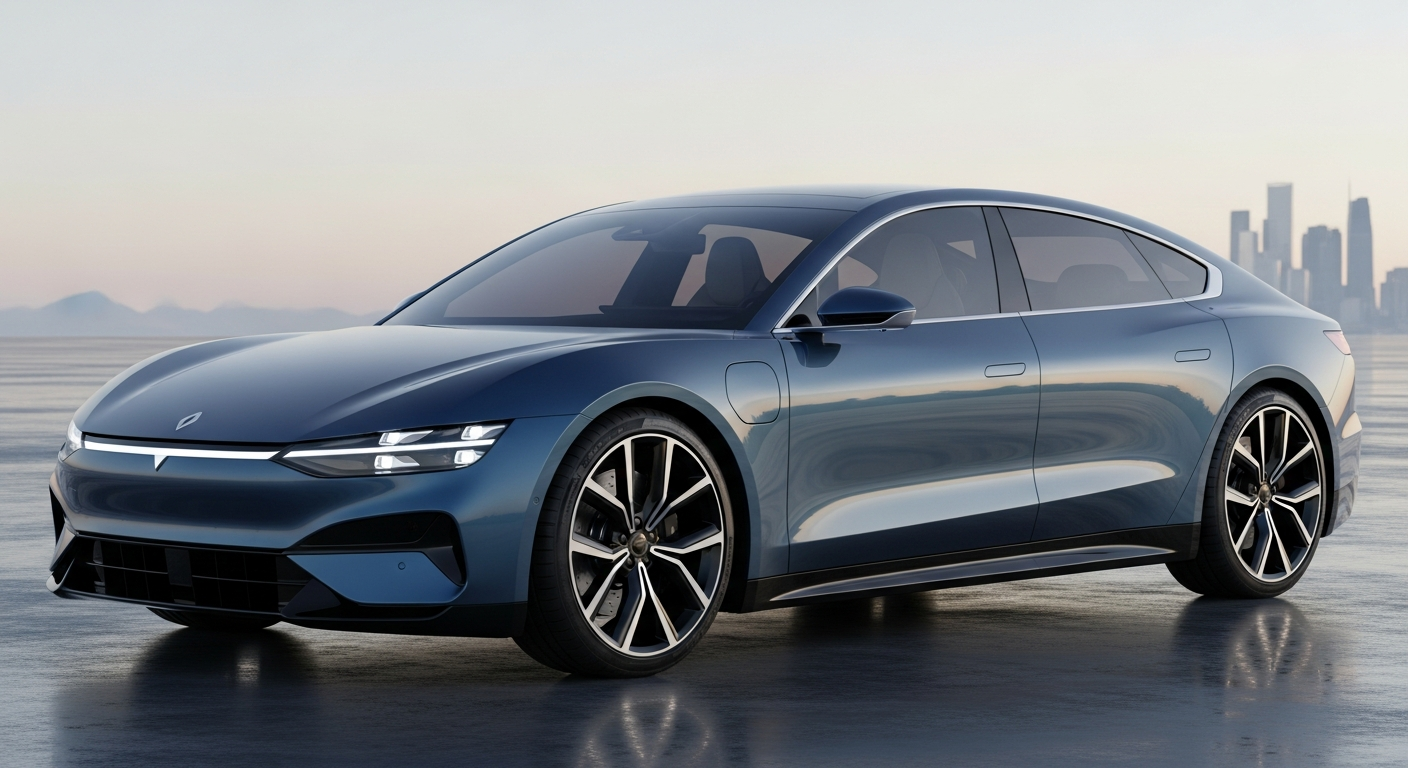
Thinking about an electric car but feeling a bit lost? You're not alone! This guide will break down what electric cars are and how they work in simple terms, perfect for anyone new to the world of EVs.
1. What is an electric car?
An electric car, often called an EV (Electric Vehicle), is a type of car that runs entirely on electricity. Instead of burning gasoline, it uses power stored in a large battery pack to drive an electric motor. This motor then turns the wheels, moving the car forward.
2. How is an EV different from a gasoline car?
The biggest difference is how they get power. Gasoline cars have an internal combustion engine that burns fuel to create motion. EVs have an electric motor powered by a battery, which you charge by plugging it into an electrical outlet, much like charging your phone.
3. What are the main components of an electric car?
An EV typically has a battery pack, an electric motor, an inverter, and a charging port. The battery stores energy, the motor converts that energy into movement, the inverter manages the power flow, and the charging port is where you plug in the car.
Gasoline Car
- Engine (burns fuel)
- Fuel Tank
- Exhaust System
- Transmission
- Oil Changes
Electric Car (EV)
- Electric Motor
- Battery Pack
- Inverter
- Charging Port
- No Oil Changes
4. Do electric cars have engines?
No, electric cars do not have traditional engines. Engines burn fuel, which EVs don't do. Instead, they have an "electric motor." While both engines and motors make the car move, they work in very different ways and use different types of energy.
5. How does an EV's motor work?
An electric motor uses electricity from the battery to create a magnetic field. This magnetic field causes parts within the motor to spin, which then turns the car's wheels. It's a very efficient process that converts electrical energy directly into motion.
6. What is regenerative braking?
Regenerative braking is a clever feature in EVs that helps recharge the battery. When you lift your foot off the accelerator or press the brake pedal, the motor reverses its function. It acts like a generator, capturing energy that would normally be lost as heat during braking and sending it back to the battery.
7. Are all electric cars the same?
While all pure electric cars run solely on batteries, they come in many shapes, sizes, and ranges. Some are small city cars, others are large SUVs or trucks. The main differences are battery size (affecting how far they can go), motor power, and charging speed capabilities.
How an EV Works
Charge Up: Plug car into an electrical outlet (home or public charger).
Battery Stores Power: Electricity is stored in the large battery pack.
Press Accelerator: Power flows from battery to inverter.
Inverter to Motor: Inverter converts power for the electric motor.
Motor Turns Wheels: Electric motor spins, moving the car.
Regenerative Braking: Braking sends energy back to the battery.
8. What is a hybrid car?
A hybrid car combines a traditional gasoline engine with a small electric motor and battery. It can switch between using gasoline, electricity, or both together. The electric motor primarily assists the gasoline engine, improving fuel efficiency, but you don't plug it in to charge.
9. What is a plug-in hybrid?
A plug-in hybrid electric vehicle (PHEV) is like a regular hybrid but with a larger battery and the ability to be plugged in and charged. This means it can drive a significant distance (often 20-50 miles) purely on electricity before the gasoline engine needs to kick in. Once the electric range is used up, it operates like a regular hybrid.
10. Why are electric cars becoming popular?
EVs are gaining popularity for several reasons. They produce zero tailpipe emissions, making them better for air quality. They are often cheaper to fuel (electricity can be cheaper than gasoline) and have lower maintenance costs. Plus, many people enjoy their quiet, smooth, and quick acceleration.