
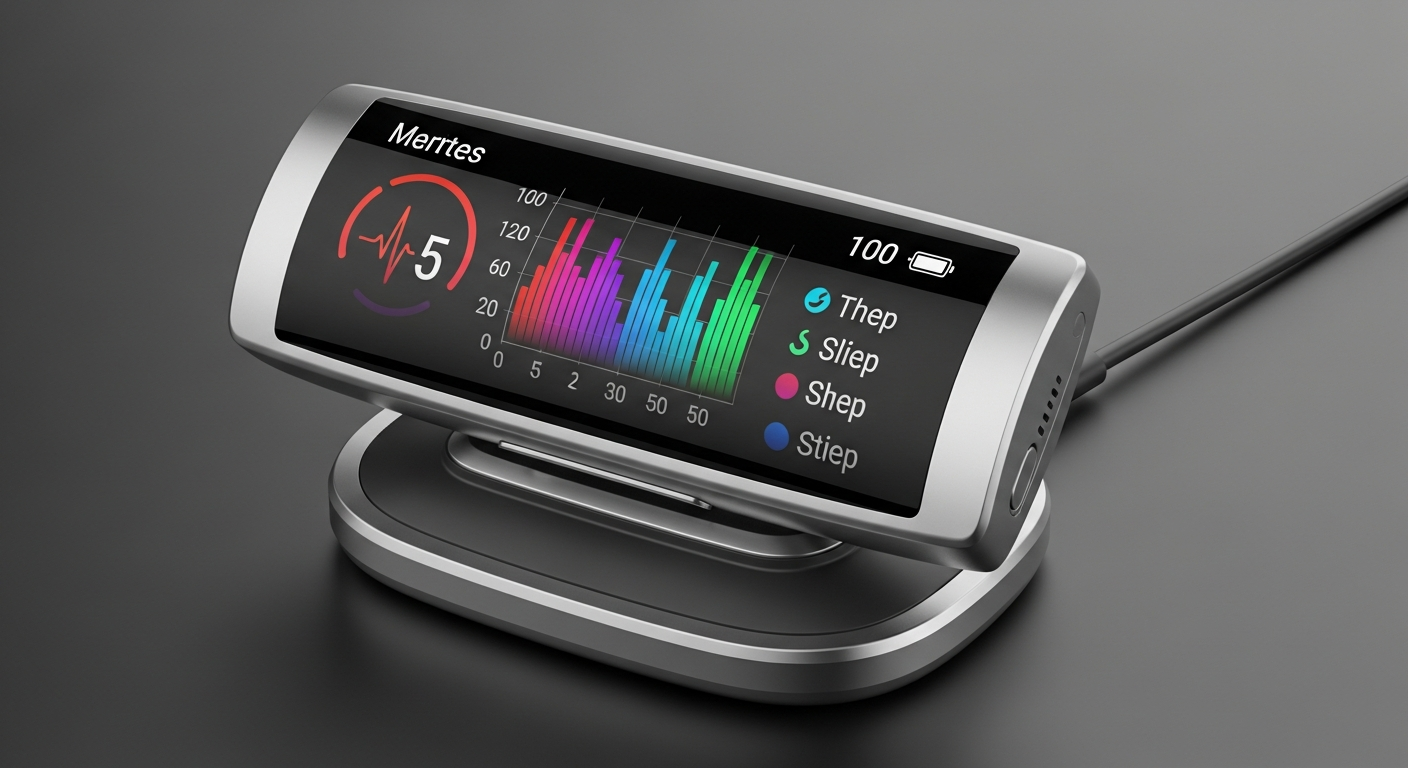
Wearable tech refers to small electronic devices you wear on your body, like a watch or pendant. For seniors, these devices can be incredibly helpful for monitoring health and providing peace of mind for both them and their families.
1. What is wearable tech and how can it help seniors?
Wearable tech includes gadgets like smartwatches, fitness trackers, and specialized pendants that you wear. They can track important health information, like your heart rate or how active you are. For seniors, this means a device can keep an eye on their well-being, alert others in an emergency, or even remind them about daily tasks.
2. How do smartwatches monitor heart rate or activity?
Smartwatches use small sensors, usually on the back of the watch, that shine light onto your skin. They detect changes in blood flow to measure your heart rate. For activity, they have tiny motion sensors that count your steps and estimate distances, helping to track how much you move throughout the day.
3. What is fall detection and how does it work on wearables?
Fall detection uses special sensors within the wearable device to recognize sudden, sharp movements that signal a fall. If a fall is detected, the device can automatically alert pre-selected contacts or emergency services. This feature provides a crucial safety net, especially for seniors living alone.
Smartwatches
- Many features: time, calls, texts, apps
- Health tracking: heart rate, steps, sleep
- Requires regular charging (daily/every few days)
- Can be more complex to use
Medical Alert Pendants
- Simple, dedicated emergency button
- Longer battery life (weeks/months)
- Often waterproof for shower use
- Fewer features, mainly for emergencies
4. Can wearables remind me to take medication?
Yes, many smartwatches and some specialized wearables offer medication reminders. You can set up alerts on the device or through a linked smartphone app. The wearable will then vibrate or display a notification at the scheduled time, helping seniors stay on track with their medication schedule.
5. How do I choose the right wearable device for a senior?
Consider ease of use, comfort, and essential features. Look for devices with large, clear displays and simple controls. Battery life is important, as is water resistance if it will be worn in the shower. Prioritize features like fall detection or emergency calling based on the senior's specific needs.
6. Are medical alert systems considered wearable tech?
Absolutely. Many modern medical alert systems come as pendants, bracelets, or watches that seniors wear. They are specifically designed for emergencies, often featuring a large button to call for help. Some even include advanced features like GPS tracking and automatic fall detection, making them a key part of wearable safety tech.
7. How do I charge and maintain a wearable device?
Most wearables come with a special charging cable or dock; simply connect it to a power source. Charging frequency varies, from daily for smartwatches to weekly or monthly for simpler devices. Keep the device clean by wiping it gently with a soft cloth. Avoid harsh chemicals and ensure it's dry before charging, especially if it's water-resistant.
8. What privacy settings are important for health data?
It's crucial to understand who can access the health data collected by the wearable. Check the device's settings and the associated app's privacy policy. Ensure that only trusted family members or caregivers can view sensitive information. You should also be able to control what data is shared with third-party apps or services.
9. Can wearables track sleep patterns for seniors?
Yes, many smartwatches and fitness trackers can monitor sleep. They use motion sensors to detect when you're restless or still, estimating sleep stages like light and deep sleep. This data can help seniors and their caregivers understand sleep quality, which is important for overall health, though it's not a medical diagnostic tool.
10. How do wearables connect to emergency services?
Wearables connect to emergency services in a few ways. Some smartwatches can directly call 911 (or local emergency number) if paired with a smartphone or if they have their own cellular connection. Dedicated medical alert systems often connect to a 24/7 monitoring center, which then contacts emergency services and pre-approved family members on your behalf.