
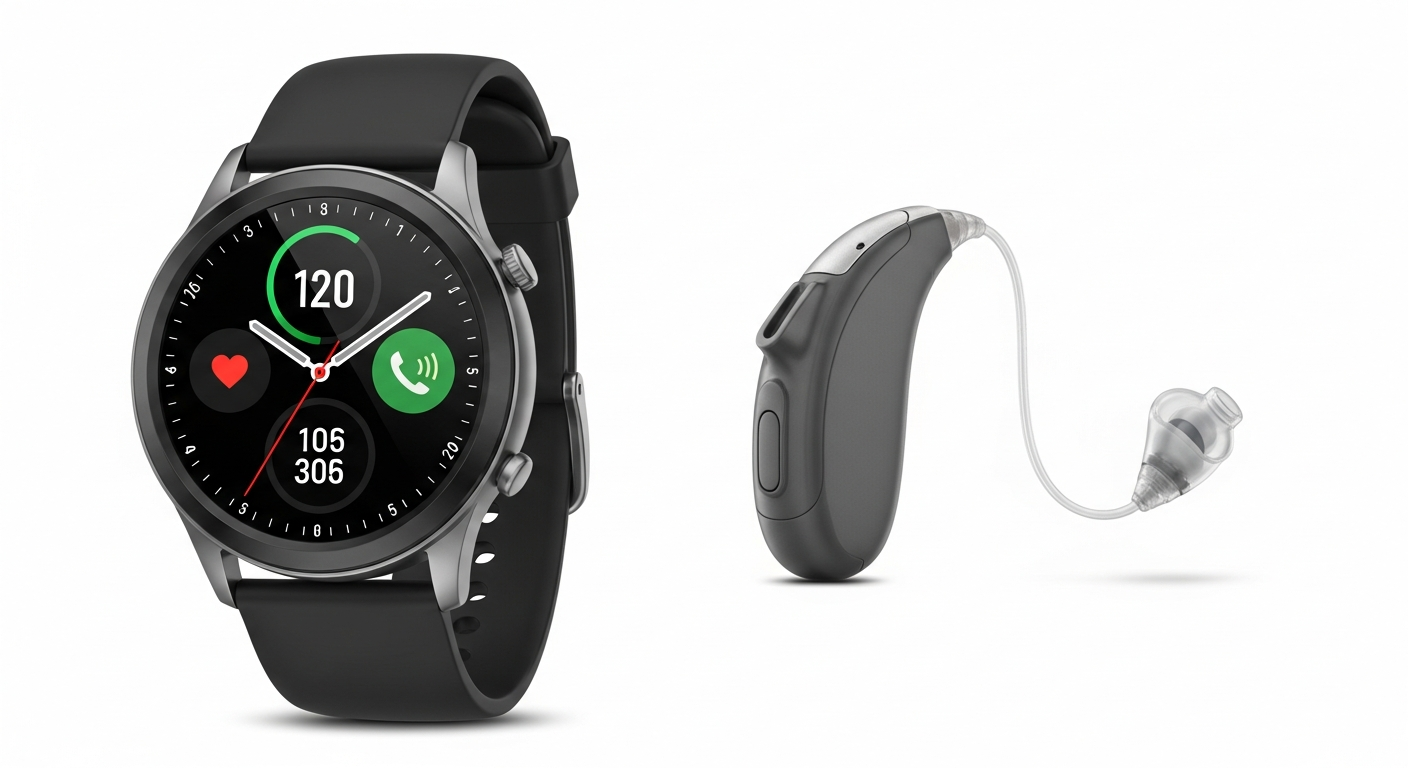
Wearable tech can be a great way for seniors to stay on top of their health and safety. These small devices, worn on your body, offer peace of mind for you and your loved ones.
1. What is wearable tech for health?
Wearable tech for health refers to small electronic devices you wear, like a watch or a pendant. They can track different aspects of your health, like your heart rate or how many steps you take. The goal is to help you monitor your well-being and get help if needed.
2. How can smartwatches help monitor heart rate?
Smartwatches have tiny sensors that shine light onto your skin to detect blood flow. This allows them to measure your heart rate throughout the day. Some can even alert you if your heart rate is unusually high or low, or if it detects an irregular rhythm, which could be important to discuss with your doctor.
3. Do any wearables detect falls?
Yes, many modern wearables, especially smartwatches and dedicated fall detection pendants, include sensors that can detect sudden, sharp movements indicative of a fall. If a fall is detected, the device can automatically alert pre-selected emergency contacts or services, providing an important safety net.
Smartwatch
- Many features (heart rate, steps, calls)
- Looks like a regular watch
- Needs frequent charging
- Can be more complex to use
Fall Detection Pendant
- Simple, focused on safety
- Longer battery life
- Easier to use, often one button
- Fewer extra features
4. Can they remind me to take medication?
Absolutely! Many smartwatches and some dedicated medication reminder devices allow you to set custom alerts. You can program them to vibrate or play a sound at specific times to remind you to take your medication. This can be a very helpful tool for managing daily prescriptions.
5. How do fitness trackers work for seniors?
Fitness trackers are designed to monitor physical activity. They count your steps, estimate distance walked, and track sleep patterns. For seniors, they can encourage gentle activity, help set achievable goals, and provide insights into sleep quality, all contributing to overall well-being without being overly strenuous.
6. Are they easy to set up and use?
Many modern wearables are designed with user-friendliness in mind, but ease of use can vary. Some require a smartphone for initial setup, which a family member might help with. Once set up, basic functions are often accessible with simple taps or buttons. Look for models with clear displays and straightforward menus.
7. What about emergency alert features?
Emergency alert features are a key benefit for seniors. Many wearables have a dedicated button or a voice command that, when activated, will connect you to an emergency contact or a professional monitoring service. This provides a quick way to get help in non-fall emergencies, such as feeling unwell or needing assistance.
Emergency Alert Flow
8. How do I charge these devices?
Most wearables come with a special charging cable or a small dock. You simply place the device onto the charger, which then plugs into a standard wall outlet or a USB port. Charging frequency varies; smartwatches might need charging daily, while some simpler pendants can last for several days or even weeks.
9. Are they waterproof?
Many wearables are designed to be water-resistant, meaning they can withstand splashes, rain, and sometimes even showering. However, "waterproof" is a strong term, and few are designed for extended submersion like swimming. Always check the specific water resistance rating of your device to avoid damage.
10. What data do they collect and is it private?
Wearables collect data like heart rate, activity levels, sleep patterns, and sometimes location. This data is usually stored securely and can be viewed on a linked smartphone app. Reputable companies prioritize privacy, often encrypting data and allowing you to control who can access it. Always read the privacy policy to understand how your information is used and protected.