
Wearable devices are becoming very popular, and many people wonder if they can help monitor the health of seniors. This article will answer common questions about how these gadgets can be useful for older adults.
1. What are wearable devices?
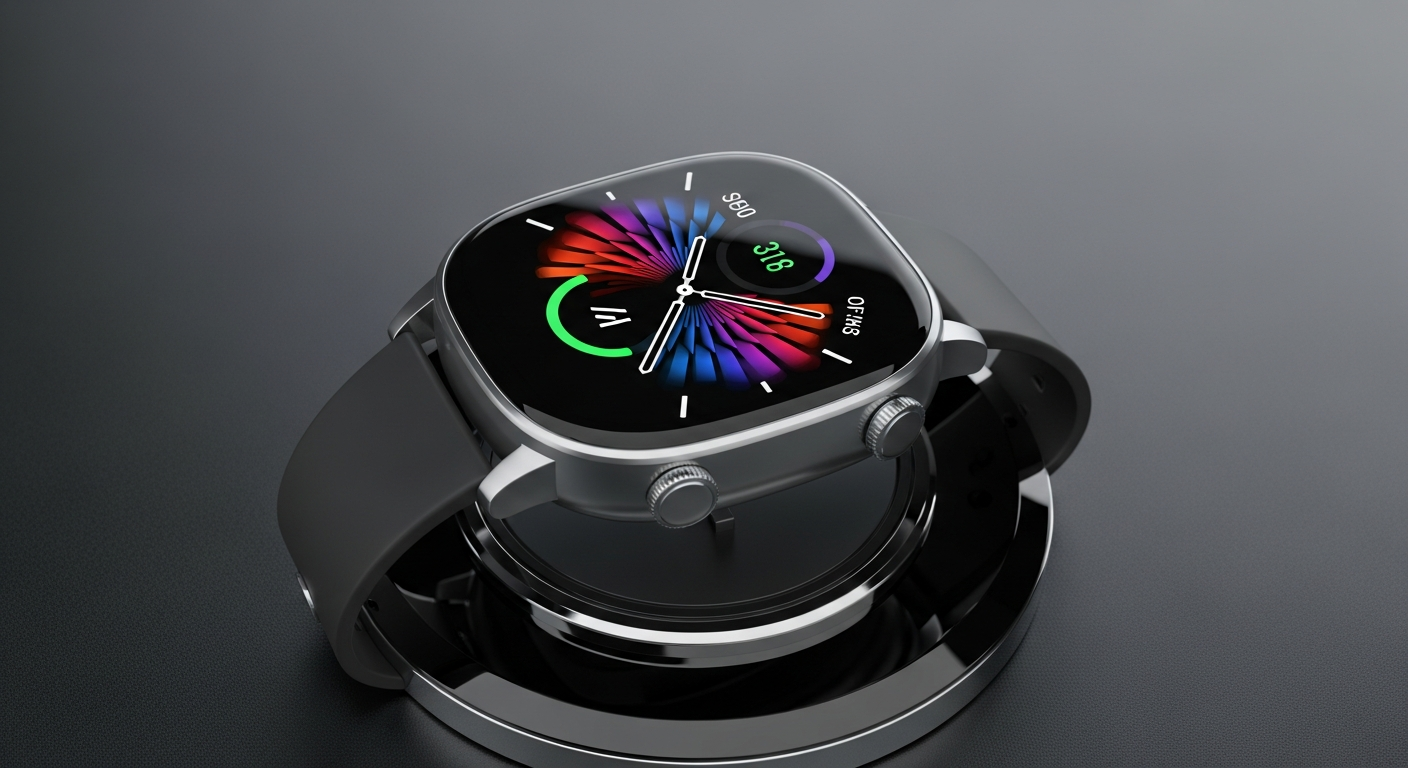
Wearable devices are small electronic gadgets you wear on your body, like a watch, ring, or patch. They often connect to your smartphone and can track different things about your health and activity throughout the day. Think of them as tiny computers you wear.
2. How do smartwatches monitor health?
Smartwatches have tiny sensors that can measure various health metrics. They can track your steps, estimate calories burned, monitor your sleep patterns, and even check your heart rate. Some advanced models can also take an electrocardiogram (ECG) to look at your heart's electrical activity.
3. Can wearable devices detect falls?
Yes, many modern smartwatches and dedicated medical alert devices have built-in fall detection. They use sensors to recognize sudden, sharp movements followed by stillness, which often indicates a fall. When a fall is detected, the device can automatically alert emergency contacts or monitoring services.
Smartwatch for Seniors
- Tracks steps, sleep, heart rate
- Receives calls/texts
- Requires regular charging
- Many features, can be complex
- Good for active, tech-savvy seniors
Medical Alert Device
- Dedicated emergency button
- Often has fall detection
- Longer battery life or always-on power
- Simple, focused on safety
- Best for those needing reliable emergency help
4. Do they track heart rate accurately?
Wearable devices use optical sensors to estimate heart rate by shining light onto your skin and detecting blood flow. While generally accurate for resting and steady activity, their accuracy can vary during intense exercise or if the device isn't worn correctly. They are not medical-grade devices and shouldn't replace doctor's advice.
5. How do I charge a wearable device?
Most wearable devices come with a special charging cable or dock. You simply place the device onto the charger, which then connects to a standard wall outlet or a USB port. Depending on the device, you might need to charge it daily or every few days. It's similar to charging a smartphone.
6. Are wearable devices easy for seniors to use?
Ease of use varies greatly by device. Some smartwatches have many features and small screens that can be challenging for seniors. However, many companies now offer simpler wearables or medical alert systems designed specifically for older adults, with larger buttons, clear displays, and fewer complex functions. It's important to choose wisely.
7. What health information do they collect?
Wearables can collect a range of data, including steps taken, distance walked, calories burned, sleep duration and quality, and heart rate. Some can also track blood oxygen levels, skin temperature, and even detect irregular heart rhythms. This data is usually shown in an app on a smartphone or computer.
How Wearables Share Health Data
8. Can they alert family members in an emergency?
Yes, many wearable devices, especially those designed for seniors or with emergency features, can be set up to alert family members or caregivers. In an emergency, such as a fall or if an SOS button is pressed, the device can send an alert message, often with the user's location, to pre-selected contacts.
9. Are there simple medical alert systems?
Absolutely. Many companies specialize in medical alert systems that are very simple to use. These often consist of a pendant or wristband with a single button that connects directly to a monitoring center or designated contacts. They prioritize ease of use and reliable emergency communication over extra features.
10. What's the difference between a smartwatch and a medical alert?
A smartwatch is a multi-purpose device that offers many features like notifications, fitness tracking, and apps, with emergency features often being one part of its functionality. A medical alert system, however, is specifically designed for emergencies, focusing on quick, reliable communication for help, often with simpler interfaces and longer battery life. While some smartwatches have medical alert features, dedicated medical alert systems are built purely for safety.