
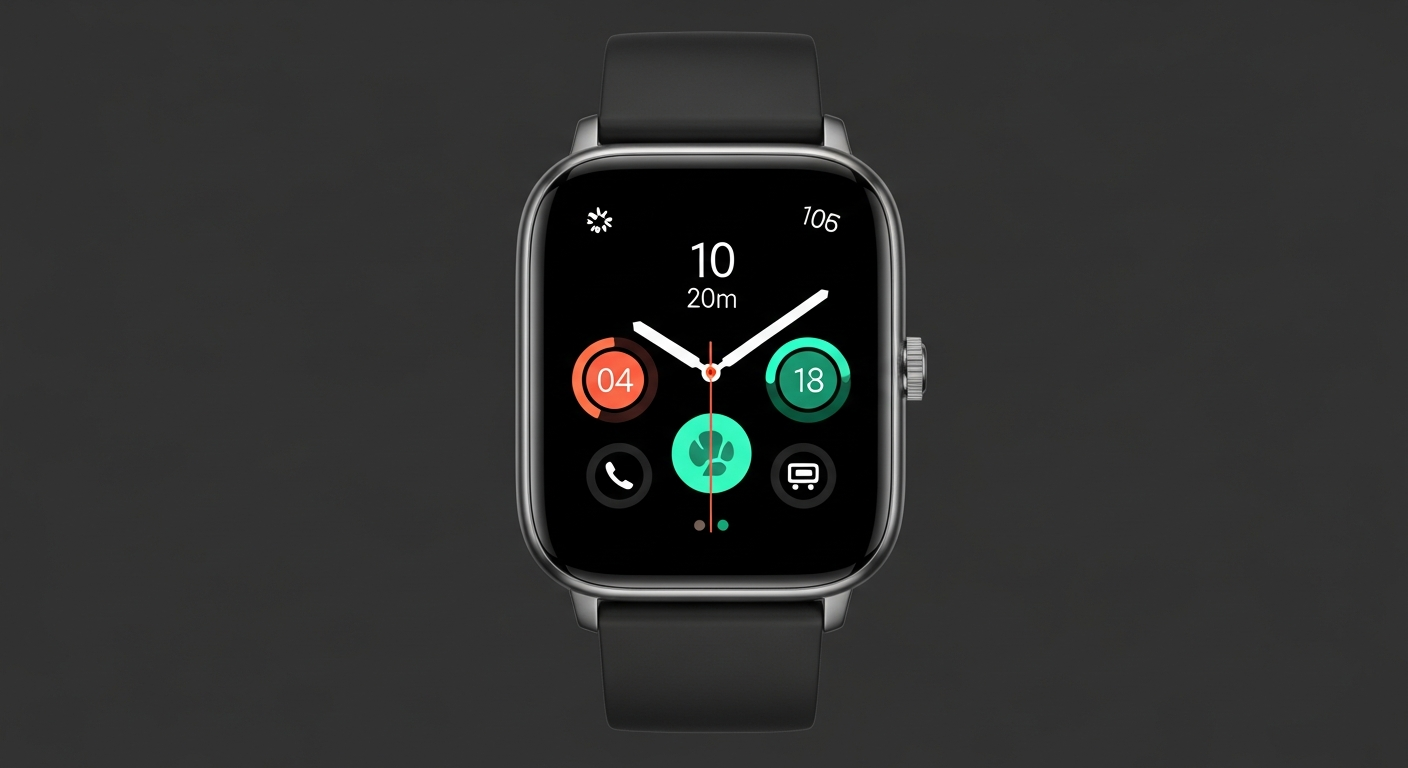
Keeping an eye on health is important, especially as we get older. Wearable technology can help by monitoring key health signs right from your wrist or body. This guide answers common questions about using these devices for elderly health monitoring.
1. What is wearable tech for health monitoring?
Wearable tech for health monitoring refers to small electronic devices you wear on your body, like smartwatches or fitness trackers. They collect data about your health, such as heart rate, activity levels, and sleep patterns. This information can help you and your caregivers understand your health better.
2. How do smartwatches track heart rate?
Smartwatches track heart rate using tiny LED lights and sensors on the back of the device. These lights shine on your skin, and the sensors detect changes in blood flow as your heart beats. This technology, called photoplethysmography (PPG), measures how much light is absorbed by your blood, which changes with each pulse.
3. Can wearables detect falls and alert someone?
Yes, many modern wearables, especially smartwatches, have built-in fall detection. They use accelerometers and gyroscopes (sensors that detect movement and orientation) to recognize a sudden, hard impact followed by stillness. If a fall is detected, the device can automatically call emergency services or pre-selected contacts if the user doesn't respond.
Smartwatches
- Advanced health tracking (ECG, SpO2)
- Fall detection & emergency calls
- Medication reminders
- Smartphone required for full features
- More expensive
Basic Fitness Trackers
- Simple step and heart rate tracking
- Longer battery life
- Often simpler interface
- Less expensive
- May not have fall detection
4. Are there simple fitness trackers for seniors?
Absolutely. Many companies offer fitness trackers designed with simplicity in mind. These often feature larger displays, fewer complex functions, and easier navigation. They typically focus on essential metrics like steps, heart rate, and sleep, making them less overwhelming for users who prefer straightforward devices.
5. How accurate are blood pressure monitors on wearables?
While some wearables claim to measure blood pressure, their accuracy can vary. Most consumer wearables use optical sensors, which are not as precise as traditional cuff-based monitors. For accurate medical readings, always rely on a validated medical device or a doctor's measurement. Wearable blood pressure features are generally for trend tracking, not diagnosis.
6. What about medication reminders?
Many smartwatches and some advanced fitness trackers offer medication reminder features. You can set up alerts on the device itself or through a linked smartphone app. The wearable will then vibrate or display a notification at scheduled times, helping users remember to take their medications consistently.
7. Do these devices require a smartphone?
Most advanced wearables, especially smartwatches, work best when paired with a smartphone. The phone app is used for setup, viewing detailed health data, and customizing settings. However, some basic trackers can operate independently for core functions, and certain smartwatches have cellular connectivity, allowing them to make calls or send alerts without a nearby phone.
How Wearable Health Monitoring Works
- Wear DeviceDevice worn on wrist or body.
- Collect DataSensors track heart rate, steps, sleep, etc.
- Analyze & StoreData processed and saved on device/app.
- View InsightsUser sees trends, alerts on device/phone.
- Share (Optional)Data shared with family or doctor.
8. Are they comfortable to wear all day?
Comfort is a key design consideration for wearables. Most are made from lightweight materials like silicone or soft plastics. Many offer various strap sizes and materials to ensure a good fit. It's important to choose a device that feels comfortable for continuous wear, especially for sleep tracking.
9. What are the privacy implications of health data?
When using wearables, your health data is collected and stored, often in the cloud. It's crucial to understand the device's privacy policy. Look for devices that encrypt your data and allow you to control who can access it. Sharing data with family or doctors should always be an opt-in choice, ensuring your personal health information remains secure.
10. How much do these devices typically cost?
The cost of wearable health monitors varies widely. Basic fitness trackers can range from $30 to $100. More advanced smartwatches with features like fall detection, ECG, and cellular connectivity typically cost between $150 and $500. There are also subscription services for some advanced monitoring features or emergency response, which add to the ongoing cost.