
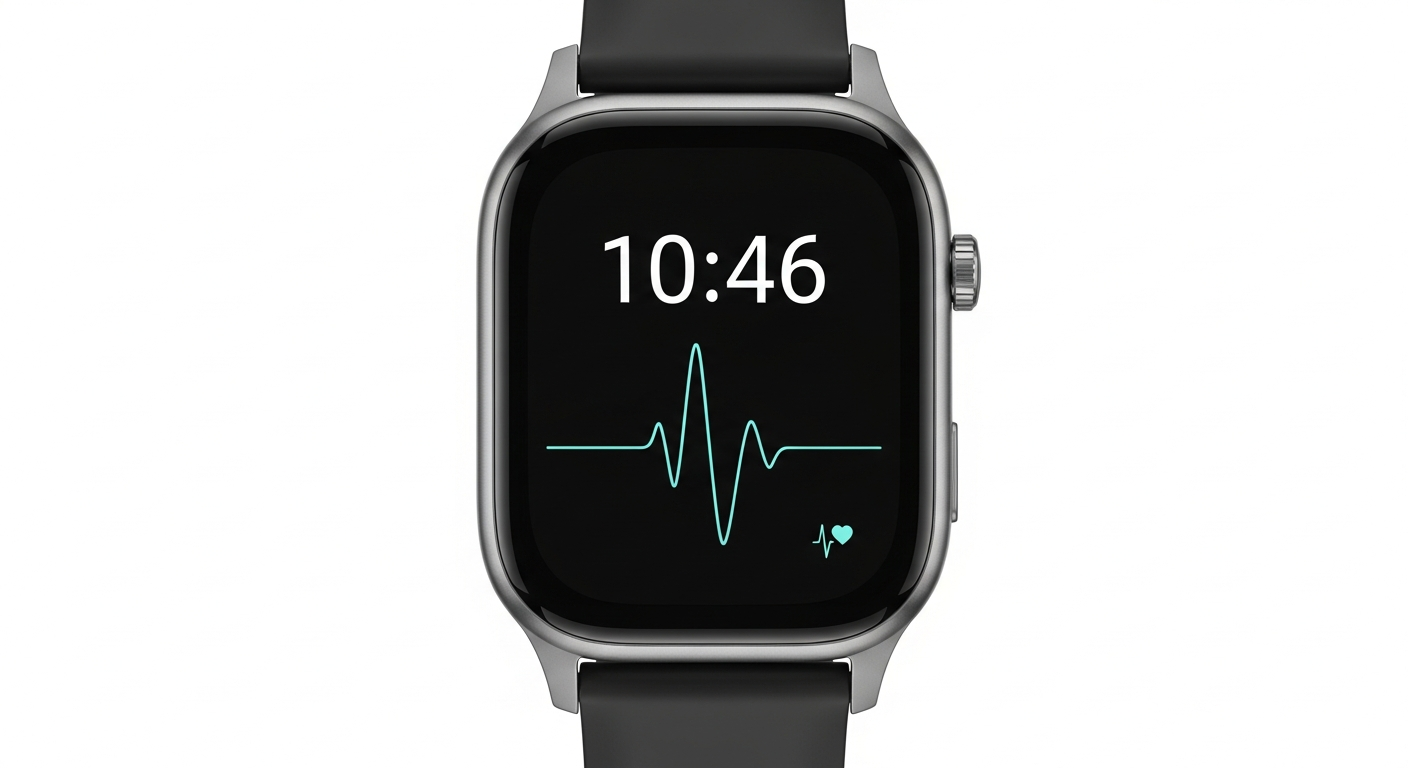
Wearable devices are small gadgets you wear, like a watch, that can help keep an eye on your health. They offer peace of mind by monitoring important health signs and even detecting falls, making everyday life safer for seniors.
1. What types of wearable tech are good for seniors?
For seniors, the best wearables are often smartwatches, fitness trackers, and specialized medical alert pendants. Smartwatches offer many features, while fitness trackers focus on activity. Medical alert pendants are simpler, often with just a button for help and fall detection.
2. How do smartwatches monitor heart rate?
Smartwatches use tiny lights and sensors on the back that touch your skin. These lights shine into your skin, and the sensors detect how much light bounces back. Since blood flow changes how light reflects, the watch can calculate your heart rate by noticing these tiny changes.
3. What is fall detection and how does it work?
Fall detection is a special feature that senses if you've had a fall. Devices use sensors called accelerometers and gyroscopes, which measure movement and rotation. If they detect a sudden, sharp movement followed by no movement (like hitting the ground and staying still), the device can trigger an alert.
Traditional Medical Alert
- Simple button press for help
- Often worn as a pendant
- Long battery life
- Limited health monitoring
Smartwatch with Fall Detection
- Automatic fall alerts
- Heart rate, activity tracking
- Medication reminders
- Requires more frequent charging
4. Can wearables remind me to take medication?
Yes, many smartwatches and some specialized devices can be set up to give you medication reminders. You can schedule alerts that pop up on your wrist, often with a gentle vibration, to tell you when it's time to take your pills. This helps you stay on track with your medication schedule.
5. Do they track activity levels?
Absolutely. Most wearables are designed to track your daily activity. They count your steps, estimate distance walked, and even track calories burned. This information helps you see how active you are and encourages you to meet your personal fitness goals, like walking a bit more each day.
6. How accurate are these devices?
Wearables are generally quite accurate for tracking trends in heart rate, steps, and sleep patterns. However, they are not medical-grade devices. For precise medical diagnoses, you should always consult a doctor. They are best used as tools to help you and your doctor monitor your overall health and wellness.
7. What are the privacy implications of health data?
Your health data is personal and important. Reputable wearable companies use secure ways to store your data and usually let you control who sees it. Always read the privacy policy to understand how your information is collected, stored, and shared. You can often choose to share data only with trusted family members or caregivers.
Your Health Data Journey
1. Device Collects Data
(e.g., Heart rate, steps)2. Data Sent to App
(Securely to your phone)3. You Review Data
(On your phone or tablet)4. Optional Sharing
(With family/doctor, if you choose)8. Do I need a smartphone to use a wearable?
Many advanced wearables, especially smartwatches, work best when paired with a smartphone. The phone often acts as a hub to show your data, change settings, and receive alerts. However, some simpler fitness trackers and dedicated medical alert devices can work independently, connecting directly to a cellular network.
9. How often do I need to charge them?
Charging frequency varies a lot. Smartwatches with many features might need charging every 1-3 days. Simpler fitness trackers can last 5-7 days. Basic medical alert pendants often have the longest battery life, sometimes lasting weeks or even months before needing a charge. Always check the specific device's battery life.
10. Where can I find reliable wearable devices for seniors?
You can find reliable devices at major electronics retailers, online stores, and even through some medical supply companies. Look for brands known for their quality and good customer support. Reading reviews from other seniors can also help you choose a device that fits your needs and is easy to use.