
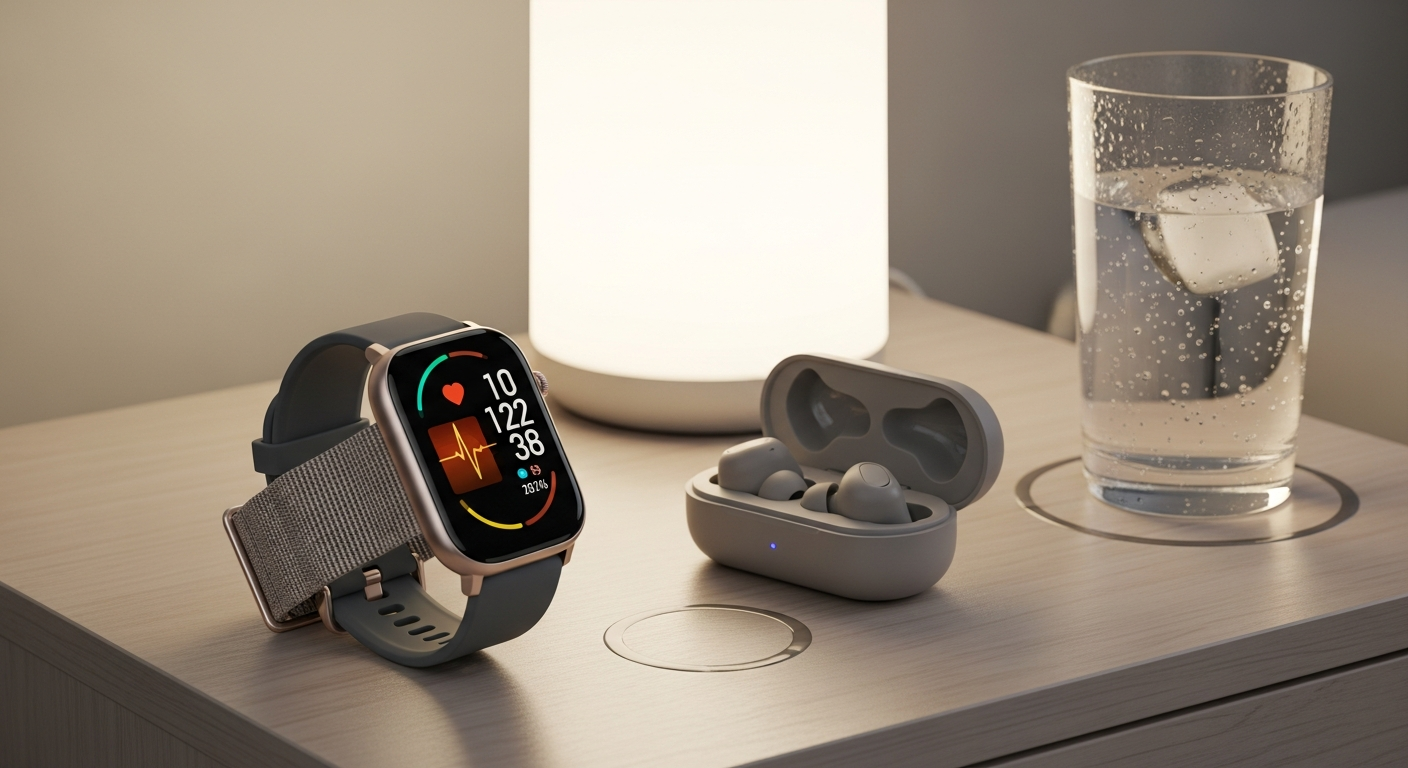
Keeping an eye on your health is important at any age, and new technology can make it easier for seniors. Wearable tech can help monitor key health signs, offer peace of mind, and even assist in emergencies.
1. What are wearable health devices?
Wearable health devices are small electronic gadgets you wear on your body, like a watch or a pendant. They collect information about your health and activity throughout the day. This data can then be viewed on a smartphone or computer, helping you and your family understand your health trends.
2. How do smartwatches help with health monitoring?
Smartwatches are like mini-computers for your wrist. Many models can track your heart rate, sleep patterns, and daily steps. Some advanced smartwatches can even perform an ECG (a simple heart rhythm check) or monitor blood oxygen levels, providing valuable insights into your cardiovascular health.
3. Can fitness trackers be useful for seniors?
Absolutely! Fitness trackers encourage activity by counting steps and tracking distance. They can also monitor sleep quality, which is vital for overall well-being. For seniors, these devices can be a gentle nudge to stay active and maintain a healthy lifestyle, often with simpler features than a smartwatch.
Smartwatch
- Advanced health features (ECG, blood oxygen)
- Notifications and calls
- More complex to use
- Higher cost
Fitness Tracker
- Basic activity and sleep tracking
- Simpler interface
- Longer battery life
- Lower cost
4. What about fall detection watches?
Fall detection watches are specifically designed to sense when a person has taken a hard fall. If a fall is detected, the watch can automatically alert emergency contacts or a monitoring service. This feature offers significant peace of mind for seniors living alone or those at risk of falls.
5. How do these devices track heart rate?
Most wearables use a technology called photoplethysmography (PPG). Green LED lights on the back of the device shine onto your skin, and sensors measure the light reflected back. As blood flows through your wrist, it absorbs more or less green light, allowing the device to calculate your heart rate.
6. Can they remind me to take medication?
Yes, many smartwatches and some specialized devices can be set up to provide medication reminders. You can schedule alerts for specific times, and the device will vibrate or display a notification. This can be a helpful tool for managing complex medication schedules and ensuring doses aren't missed.
7. Are medical alert systems considered wearable tech?
Absolutely. Traditional medical alert systems, often worn as pendants or wristbands, are a form of wearable tech. They typically have a button that, when pressed, connects the wearer to an emergency response center. Many modern versions also include GPS tracking and fall detection, enhancing their utility.
How a Fall Detection Watch Works
8. How accurate are these devices?
For general wellness tracking, such as steps and heart rate, most reputable wearables are quite accurate. However, they are not medical devices and should not replace professional medical advice or equipment. Features like ECGs on smartwatches can provide useful information but should always be reviewed by a doctor for diagnosis.
9. What are privacy considerations for health data?
Your health data is personal, so it's important to understand how it's used. Choose devices from trusted brands that clearly explain their data privacy policies. Most companies encrypt your data and allow you to control who can access it, such as family members or caregivers. Always review the privacy settings.
10. How do I choose the right wearable for a senior?
Consider the senior's needs and tech comfort level. For basic activity and sleep, a simple fitness tracker might be best. If fall detection or advanced heart monitoring is crucial, a specialized medical alert system or an advanced smartwatch could be more suitable. Look for ease of use, clear displays, and good battery life.