
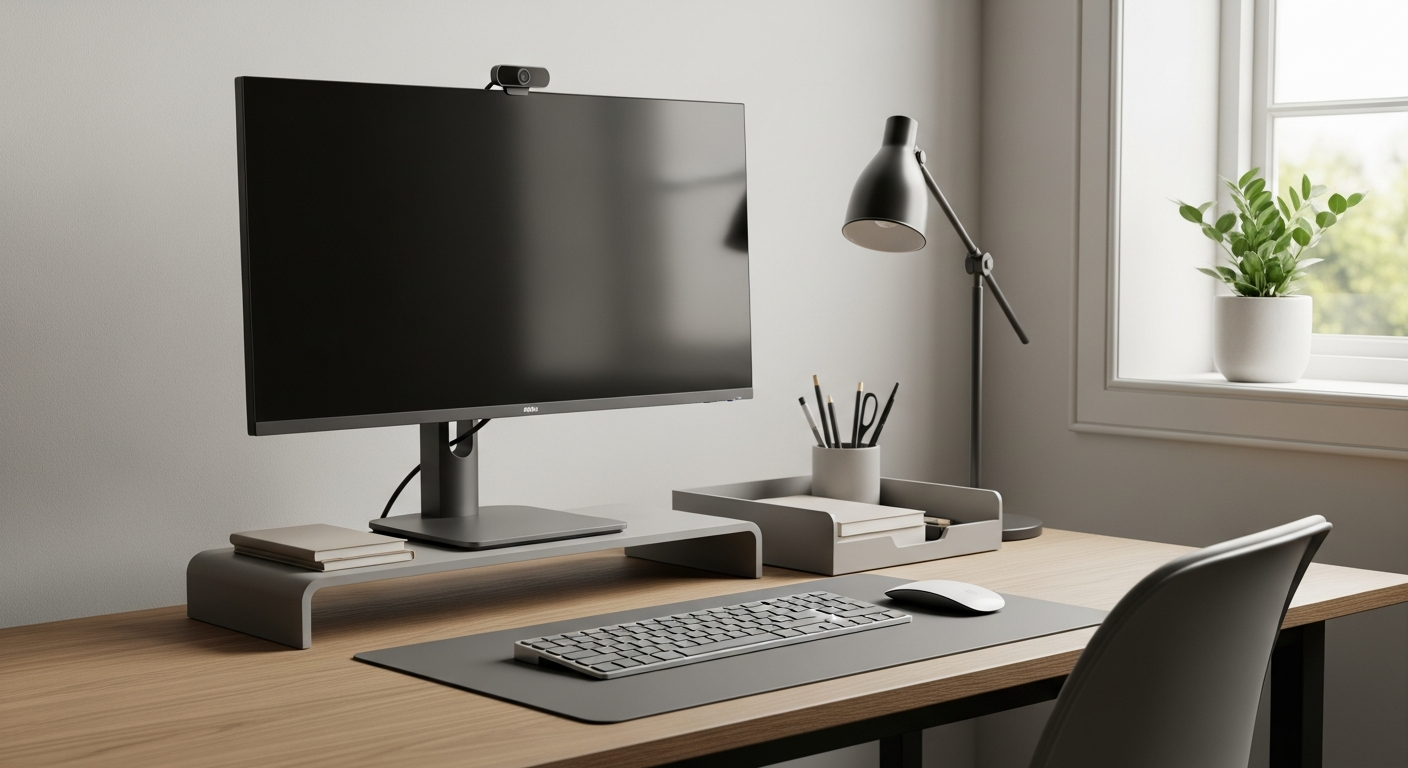
Starting remote work means lots of virtual meetings! It can feel a bit different from in-person meetings, but don't worry, we're here to help you understand the best ways to behave and participate.
1. When should I turn my camera on or off?
Generally, keep your camera on. It helps everyone feel more connected and engaged, just like being in the same room. Your colleagues can see your reactions, making communication smoother.
Turn your camera off if your internet connection is very weak, causing your video to freeze, or if you need to step away briefly. Always announce why you're turning it off if possible, or use the "away" status.
2. How do I mute and unmute myself correctly?
Always keep yourself muted unless you are speaking. This prevents background noise from disrupting the meeting. Things like typing, barking dogs, or family conversations can be very distracting to others.
When you want to speak, unmute yourself, speak clearly, and then re-mute yourself immediately after you finish. Practice using the mute button quickly, often found as a microphone icon in your meeting software.
3. What's the best background for a virtual meeting?
Choose a background that is clean, tidy, and free from distractions. A plain wall or a neat bookshelf works well. Avoid cluttered areas, bright windows behind you (which can make you look like a silhouette), or anything too personal.
Many meeting apps offer virtual backgrounds. These can be fun, but choose professional ones like a blurred background or a simple office scene. Make sure your virtual background works well and doesn't cut off parts of your head or body.
Camera ON
- When speaking or presenting
- During small team discussions
- For important one-on-one calls
- To show engagement
Camera OFF
- If internet is very unstable
- Stepping away briefly (announce it)
- During large webinars (if requested)
- If feeling unwell (inform host)
4. Should I arrive early for virtual meetings?
Yes, aim to join the meeting a few minutes early, typically 2-5 minutes before it's scheduled to start. This gives you time to test your audio and video, ensuring everything works correctly.
Arriving early also shows respect for your colleagues' time and allows for a smooth start to the meeting. You can also use this time to greet others as they join.
5. How do I avoid interrupting others?
It's harder to read body language online, so be extra careful not to talk over people. Wait for a pause in the conversation before speaking. If someone else starts speaking at the same time, quickly yield to them.
Many meeting platforms have a "raise hand" feature. Use this to signal that you have something to say. The meeting host can then call on you, ensuring everyone gets a turn to speak without interruptions.
6. What should I do if I have technical difficulties?
First, try basic troubleshooting: check your internet connection, restart your meeting app, or even reboot your computer. If you can't fix it quickly, use the chat function or send a quick message to the meeting host or a colleague.
Don't disrupt the meeting by trying to fix major issues live. If you need to rejoin, let people know. If you can't rejoin, follow up with an email to catch up on what you missed.
7. Is it okay to eat during a virtual meeting?
Generally, it's best to avoid eating during virtual meetings, especially if your camera is on. Chewing sounds can be amplified by microphones, and watching someone eat can be distracting for others.
If you absolutely must eat, keep your camera off and stay muted. For quick sips of coffee or water, that's usually fine, but try to do it discreetly. Always prioritize professionalism.
Virtual Meeting Flow: Participation
8. How do I participate effectively in online discussions?
Listen actively and make eye contact by looking at your camera, not just the screen. When it's your turn, speak clearly and concisely. Share relevant ideas and ask thoughtful questions to move the conversation forward.
Don't be afraid to contribute! Your input is valuable. If you're shy, start by using the chat to share a relevant link or ask a question, then gradually move to speaking up.
9. What about my attire for video calls?
Dress as you would for an in-person meeting in your workplace. Even if you're working from home, maintaining a professional appearance shows respect for your colleagues and the meeting itself.
This usually means business casual: a collared shirt, blouse, or professional top. Avoid pajamas or overly casual clothing, even if it's just your top half that's visible. It helps you feel more professional too!
10. How do I use the chat function respectfully?
The chat is great for sharing links, asking clarifying questions that don't interrupt the speaker, or making quick comments. Use it to enhance the meeting, not distract from it.
Avoid having side conversations in the chat that aren't relevant to everyone. Keep messages professional and concise. If you have a private question for one person, use a direct message feature instead of the main group chat.