
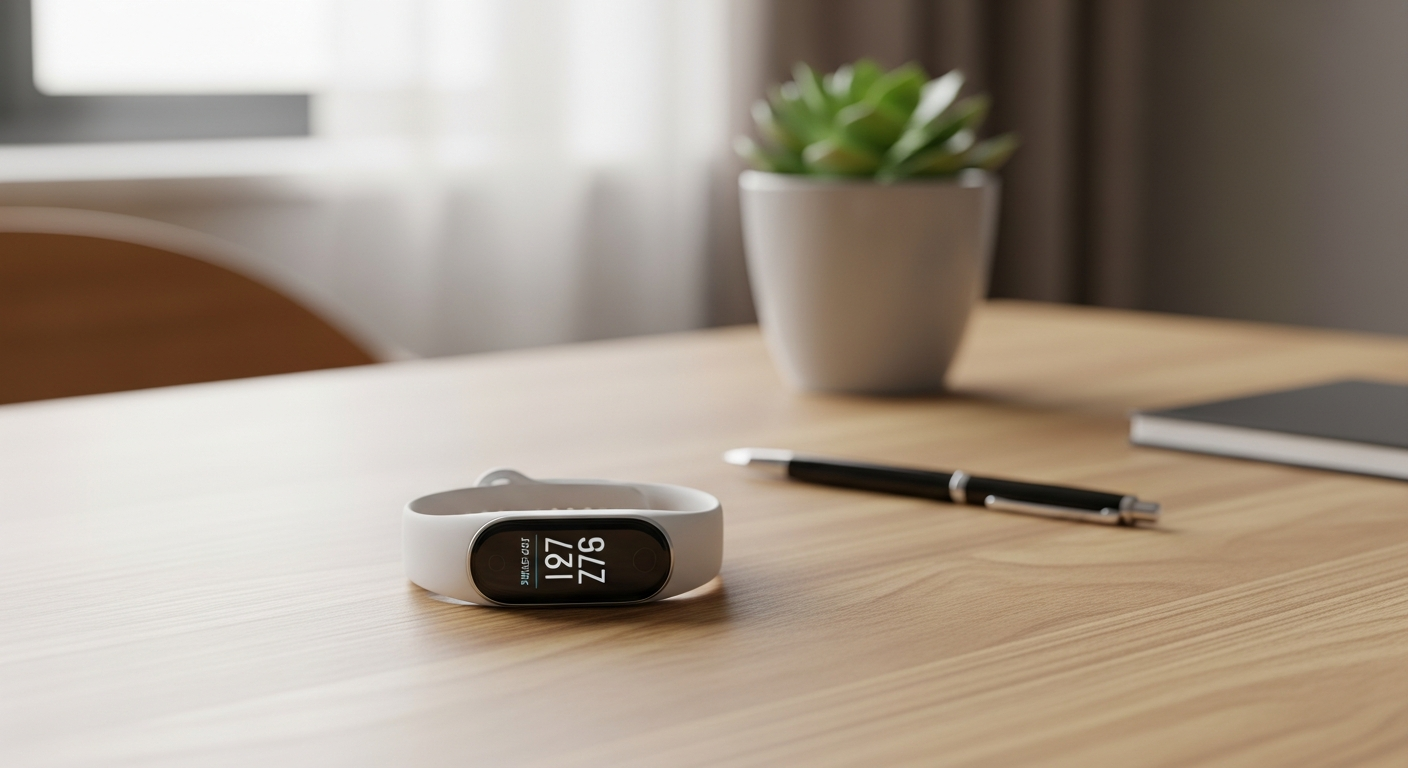
Your fitness tracker collects lots of information about your body and activity. This guide will help you understand what all those numbers and terms really mean for your health.
1. What is a "step count" and what's a good daily goal?
A "step count" is simply the total number of steps your tracker estimates you've taken throughout the day. It uses sensors to detect movement. For most adults, a common goal is 10,000 steps per day, but even increasing your current steps by a small amount is beneficial.
2. What do "calories burned" actually represent?
"Calories burned" is an estimate of the energy your body uses. This includes energy for basic body functions (like breathing) and energy used during physical activity. Your tracker uses your heart rate, activity, and personal details (like age and weight) to make this estimate.
3. How do I interpret my heart rate zones?
Heart rate zones divide your maximum heart rate into different percentages, showing how hard your heart is working. For example, a "fat burn" zone is a moderate intensity, while a "cardio" zone is more intense. These zones help you target specific fitness goals during exercise.
Light Activity
Heart Rate: 50-60% of max
Feeling: Easy, can talk normally
Benefit: Warm-up, recovery, general health
Moderate Activity
Heart Rate: 60-70% of max
Feeling: Comfortable, can talk but with effort
Benefit: Fat burning, endurance building
Vigorous Activity
Heart Rate: 70-85% of max
Feeling: Challenging, short sentences only
Benefit: Cardiovascular fitness, strength
4. What do the different sleep stages (REM, Deep, Light) mean?
Sleep stages are periods your body cycles through each night. Light sleep is the transition into sleep. Deep sleep is crucial for physical recovery and growth. REM (Rapid Eye Movement) sleep is important for memory and learning, often where dreams occur. A good balance of all stages is key for feeling rested.
5. What is "Active Zone Minutes" or similar metrics?
"Active Zone Minutes" (or similar names like "Intensity Minutes") measure the time you spend in heart rate zones that are challenging enough to improve your health. These are usually moderate to vigorous activity zones. Health organizations recommend aiming for at least 150 minutes of moderate activity or 75 minutes of vigorous activity per week.
6. How does VO2 Max relate to my fitness level?
VO2 Max is a measure of how much oxygen your body can use during intense exercise. It's a key indicator of your cardiovascular fitness. A higher VO2 Max generally means you are more fit and your body is efficient at using oxygen. Trackers estimate this based on your heart rate and activity data.
7. What is SpO2 (blood oxygen) and why is it tracked?
SpO2 stands for peripheral capillary oxygen saturation, which is the percentage of oxygen in your blood. A healthy SpO2 level is typically between 95-100%. Trackers measure this to help identify potential breathing issues during sleep, like sleep apnea, or to monitor overall respiratory health.
Why Track SpO2 (Blood Oxygen)?
1. Measures Oxygen Levels
Indicates the percentage of oxygen carried by red blood cells.
2. Detects Drops During Sleep
Helps identify potential breathing disturbances like sleep apnea.
3. Monitors Overall Health
A healthy range (95-100%) suggests good respiratory function.
4. Provides Insights
Allows you to discuss unusual patterns with your doctor.
8. What does "Stress Tracking" tell me?
Stress tracking often uses your heart rate variability (HRV) – the tiny changes in time between your heartbeats. A lower HRV can sometimes indicate higher stress, while a higher HRV suggests your body is more relaxed and resilient. Trackers use this to give you an idea of your body's stress levels throughout the day.
9. How can I use my data to set new goals?
Look for patterns and trends in your data. If your sleep quality is consistently low, focus on improving your sleep habits. If your step count is always below your goal, try adding short walks. Use your current averages as a baseline to set realistic, achievable new goals for improvement.
10. Are there normal ranges for these metrics?
Yes, there are general healthy ranges, but they can vary based on age, sex, and individual fitness levels. For example, a resting heart rate between 60-100 bpm is typically considered normal, but athletes often have lower rates. Always consult a healthcare professional if you have concerns about your specific readings.