
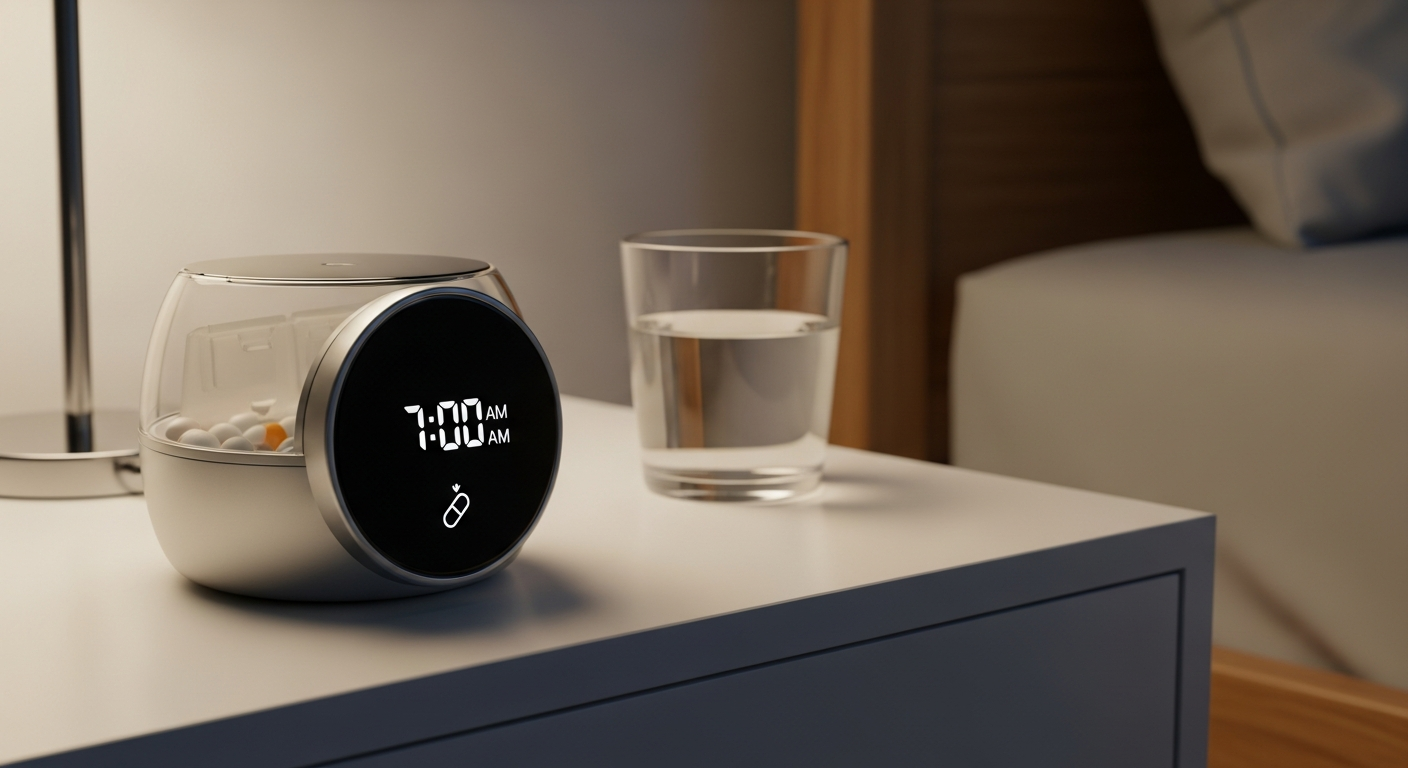
For seniors, remembering to take medications on time can be a challenge, but it's crucial for their health. Thankfully, many easy-to-use tech tools can help ensure medications are never missed.
1. Why is medication adherence important for seniors?
Medication adherence simply means taking medicines exactly as prescribed by a doctor. For seniors, this is vital because missing doses or taking them incorrectly can lead to health problems, reduce the medicine's effectiveness, or even cause serious complications. Consistent medication helps manage chronic conditions and improves overall well-being.
2. What are smartphone apps for medication reminders?
Smartphone apps are like digital assistants on your phone or tablet. You input your medication schedule, and the app sends notifications—like alarms or pop-up messages—to remind you when it's time to take your pills. Many apps also let you track doses taken and refill dates.
3. How do smart pill dispensers work?
Smart pill dispensers are physical devices that store medications. At scheduled times, they light up, make a sound, or even automatically dispense the correct dose. Some can connect to the internet to send alerts to family members if a dose is missed, adding an extra layer of support.
Smartphone Apps
- Flexibility: Use on existing phone/tablet.
- Cost: Many free options, some paid.
- Features: Reminders, tracking, health logs.
- Setup: Requires some tech comfort.
Smart Pill Dispensers
- Physical Dispense: Delivers exact dose.
- Cost: Higher initial cost, some subscriptions.
- Features: Alarms, auto-dispense, remote alerts.
- Setup: Generally simpler, less interaction needed.
4. Can voice assistants provide medication reminders?
Yes, voice assistants like Amazon Alexa or Google Assistant, found in smart speakers, can be programmed for medication reminders. You simply tell the device your schedule, and it will announce reminders aloud at the correct times. This is great for seniors who prefer voice commands over screen interaction.
5. How do I set up a medication reminder app?
Setting up an app usually involves downloading it from your phone's app store. Then, you open the app and follow simple steps to enter each medication's name, dosage, and schedule. You can often choose the type of reminder sound or notification you prefer. Many apps have user-friendly guides to walk you through the process.
6. Can family members monitor medication schedules remotely?
Absolutely. Many smart pill dispensers and some advanced medication reminder apps offer features for remote monitoring. With proper setup and consent, designated family members can receive alerts on their own phones if a dose is missed or if the dispenser is running low on medication. This provides peace of mind for everyone.
7. Are these tools easy for seniors to use daily?
Many modern tools are designed with seniors in mind, focusing on large buttons, clear displays, and simple interfaces. Voice assistants are particularly easy as they require no screen interaction. While there might be a small learning curve initially, most seniors find these tools straightforward and helpful after a brief introduction.
Setting Up a Smart Pill Reminder
8. What are the costs associated with smart dispensers or apps?
Costs vary widely. Many basic medication reminder apps are free, while premium versions with more features might have a small monthly or annual subscription fee. Smart pill dispensers typically have an upfront cost ranging from $50 to $300, and some models also require a monthly service fee for advanced features like remote monitoring or cellular connectivity.
9. How do these tools ensure privacy of health information?
Reputable medication reminder tools are designed with privacy in mind. They use secure encryption to protect your data, similar to how banking apps protect financial information. Always choose apps and devices from trusted companies that clearly state their privacy policies. Personal health information is typically stored securely and not shared without your explicit consent.
10. What if there's a power outage with a smart dispenser?
Most smart pill dispensers are designed with backup power, usually in the form of batteries, to ensure they continue to function during a power outage. They will still dispense medications and sound alarms. However, internet-dependent features like remote alerts might be temporarily unavailable until power and internet service are restored. Always check the specific model's features for details.