
How Can I Stay Productive and Focused While Working from Home?
Working from home offers flexibility, but staying productive and focused can be a challenge. This guide will help you build habits and strategies to thrive in your home office setup.
1. What are effective time management techniques for remote work?
Effective time management helps you get things done. Try the "Pomodoro Technique": work intensely for 25 minutes, then take a 5-minute break. Another tip is to make a "To-Do List" and prioritize tasks, focusing on the most important ones first. This structured approach helps you tackle your workload efficiently.
2. How do I create a daily routine for working from home?
A consistent routine signals to your brain that it's time to work. Start your day as if you were going to an office: wake up, get dressed, and have breakfast. Schedule specific times for work, breaks, and even lunch. Sticking to a routine helps maintain a sense of normalcy and discipline.
3. What are common distractions and how can I minimize them?
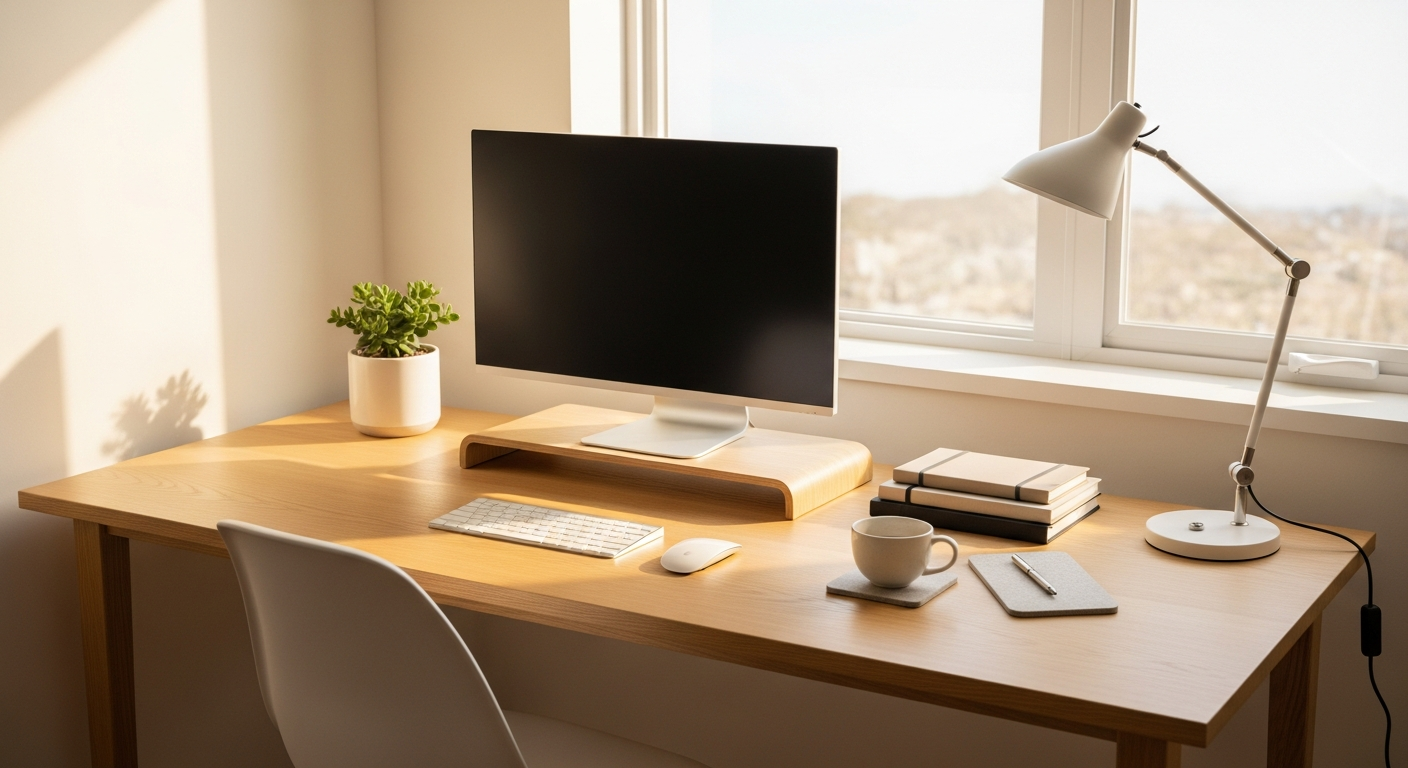
Common distractions include social media, household chores, and family interruptions. To minimize them, designate a specific workspace, turn off non-essential notifications on your phone and computer, and communicate your work hours to those you live with. Using noise-canceling headphones can also help create a quiet environment.
Distraction
- Social Media Alerts
- Household Chores
- Non-Work Notifications
Focus Strategy
- Turn off notifications
- Schedule chore time
- Use "Do Not Disturb"
4. How can I maintain focus throughout the day?
To maintain focus, break large tasks into smaller, manageable steps. This makes them less overwhelming and easier to start. Use tools like website blockers if you find yourself easily sidetracked by the internet. Regularly reviewing your progress can also keep you motivated and on track.
5. Should I take breaks, and how often?
Yes, breaks are crucial for staying productive and preventing mental fatigue. Aim for short breaks every 60-90 minutes, like a 5-10 minute stretch or walk. Take a longer break, around 30-60 minutes, for lunch. These pauses help refresh your mind and improve your concentration when you return to work.
6. How do I separate work and personal life when at home?
Creating clear boundaries is key. Use a dedicated workspace that you can "leave" at the end of the day. Establish a strict "start" and "end" time for your workday and stick to it. Changing into comfortable clothes after work can also signal a shift from professional to personal time, helping you mentally disconnect.
7. What strategies help with procrastination?
Procrastination often stems from feeling overwhelmed. Try the "Two-Minute Rule": if a task takes less than two minutes, do it immediately. For bigger tasks, just start with the smallest part. This initial action can build momentum and make it easier to continue, breaking the cycle of delay.
Beat Procrastination Flow
- Identify Task
- Is it < 2 mins?
- Yes: Do It Now!
- No: Break into Small Steps
- Start Smallest Step
- Build Momentum
8. How can I avoid burnout while working remotely?
Burnout is exhaustion from prolonged stress. To avoid it, ensure you take regular breaks and disconnect completely after work hours. Make time for hobbies, exercise, and social activities outside of work. Prioritize sleep and healthy eating to support your overall well-being. Listening to your body's signals is important.
9. Is it good to set daily goals?
Absolutely! Setting daily goals provides direction and a sense of accomplishment. At the start of each day, identify 1-3 main tasks you want to complete. Make these goals specific and achievable. Checking them off your list provides motivation and helps you track your progress, boosting your overall productivity.
10. How do I manage interruptions from family or roommates?
Open communication is vital. Clearly explain your work schedule and boundaries to your family or roommates. Use visual cues, like a "Do Not Disturb" sign on your door, to signal when you need uninterrupted focus. If possible, schedule specific times when you are available for non-urgent discussions, balancing work with home life.