
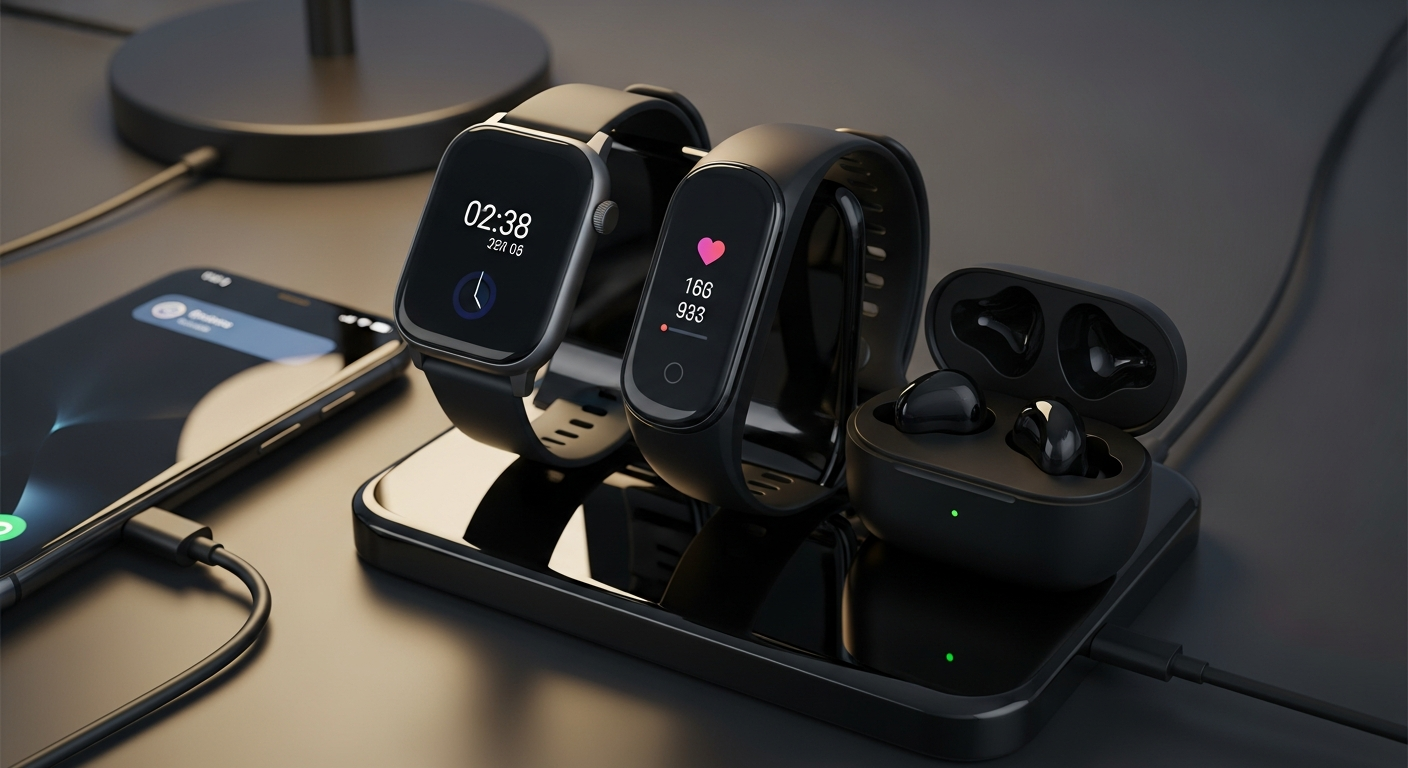
Smartwatches and fitness trackers are popular gadgets that sit on your wrist, promising to help you live a healthier life. But can these devices truly make a difference?
1. How can a tracker motivate me to be active?
Your tracker encourages you to move more by setting daily step goals and reminding you to stand up every hour. It celebrates your achievements, like hitting your step target, which can feel rewarding and make you want to keep going. This gentle nudge helps build consistent healthy habits.
2. Can it help me sleep better?
Yes, many trackers monitor your sleep patterns, showing you how long you slept and how much time you spent in different sleep stages (like light, deep, and REM sleep). By understanding your sleep habits, you can identify issues and make changes, like going to bed earlier, to improve your rest.
3. How does heart rate monitoring help my health?
Heart rate monitoring tracks your heartbeat throughout the day and during exercise. It can show your resting heart rate, which is a good indicator of overall fitness. During workouts, it helps you stay in the right zone for burning fat or building endurance, making your exercise more effective.
Smartwatch
- Advanced health sensors
- Notifications & apps
- Make calls & pay
- More expensive
Fitness Tracker
- Focus on activity & sleep
- Longer battery life
- Simpler design
- More affordable
4. Can it detect health issues early?
Some advanced trackers can monitor things like irregular heart rhythms (like AFib) or very low/high heart rates. While these features can provide early warnings, they are not medical devices. They can alert you to potential problems, prompting you to seek professional medical advice, but they cannot diagnose conditions.
5. Is it useful for managing stress?
Many devices offer stress tracking by analyzing your heart rate variability, which changes with stress levels. They might also guide you through breathing exercises to help you calm down. By becoming aware of your stress patterns, you can learn to manage them better and improve your mental well-being.
6. Can it help with weight management?
Trackers can estimate the calories you burn throughout the day and during exercise. When combined with logging your food intake, this data helps you understand your calorie balance. This awareness is crucial for making informed choices about diet and activity, supporting your weight management goals.
7. How does setting goals work?
You can set personal goals on your tracker, like walking 10,000 steps a day, exercising for 30 minutes, or getting 7 hours of sleep. The tracker then monitors your progress and provides feedback, helping you stay accountable and motivated to reach your targets. This makes health goals feel more achievable.
How Your Tracker Helps You
- Tracks Activity
- Collects Data
- Shows Progress
- Provides Insights
- Encourages Habits
8. Can it improve my overall fitness?
By providing data on your activity, sleep, and heart rate, trackers give you a clearer picture of your health. This information empowers you to make small, consistent changes, like increasing daily steps or improving sleep hygiene. Over time, these small changes can lead to significant improvements in your overall fitness and well-being.
9. What are the limitations for health?
While helpful, trackers are not perfect. Their measurements might not always be 100% accurate, especially for things like calorie burn or specific sleep stages. They are also not medical devices and cannot diagnose illnesses. They provide data and insights, but they don't replace professional medical advice or care.
10. Should I consult a doctor about the data?
Absolutely. If your tracker shows unusual readings, like a consistently high resting heart rate or irregular heart rhythms, it's important to talk to your doctor. Share your tracker data with them; it can be a useful tool for discussions about your health, but your doctor will provide the professional medical interpretation and guidance.