
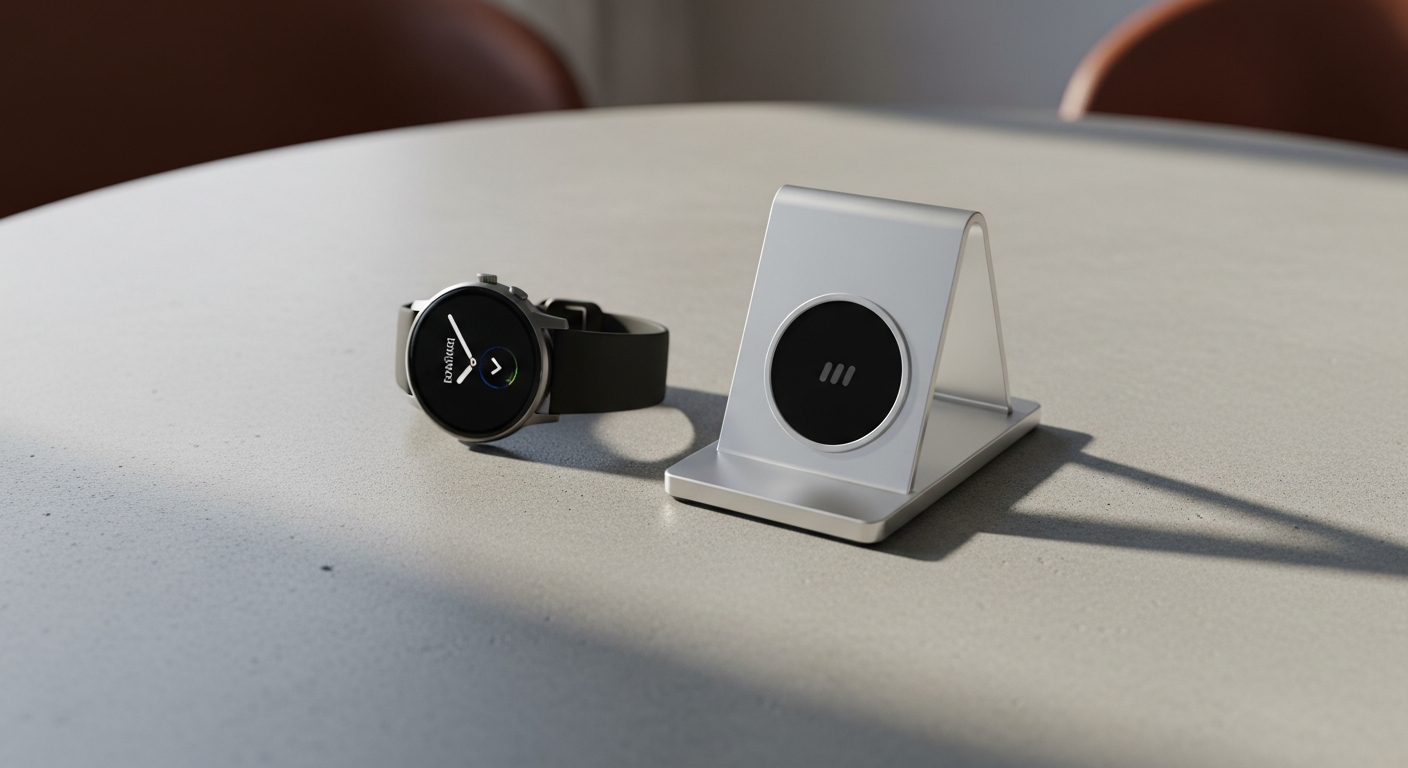
Confused about smartwatches and fitness trackers? You're not alone! This guide will help you understand the simple differences between these two popular wearable gadgets.
Let's break down what each device does so you can choose the best one for your needs.
1. What's the main difference between a smartwatch and a fitness tracker?
Think of a smartwatch as a tiny smartphone for your wrist. It does many things your phone does, like showing notifications, running apps, and even making calls. A fitness tracker, on the other hand, is mostly focused on your health and activity. It tracks steps, sleep, heart rate, and workouts.
2. Can fitness trackers make calls or send texts?
Generally, no. Most fitness trackers are designed to be simpler. They can show you notifications for incoming calls or texts from your phone, but you usually can't answer calls or type out messages directly from the tracker itself. Some advanced fitness bands might offer quick pre-set replies.
3. Do smartwatches have all the features of a fitness tracker?
Yes, almost always! Smartwatches are built to be all-around devices. This means they usually include all the common fitness tracking features like step counting, heart rate monitoring, sleep tracking, and workout logging. They combine the best of both worlds into one gadget.
Smartwatch
- Full apps & notifications
- Calls & texts (some models)
- Music control
- GPS navigation
- Mobile payments
- Fitness tracking included
Fitness Tracker
- Steps, distance, calories
- Heart rate monitoring
- Sleep tracking
- Workout logging
- Basic notifications
- Longer battery life
4. Which device is better for just tracking steps?
For just tracking steps, either device will work perfectly fine. A basic fitness tracker is often a more affordable and simpler option if steps are your main concern. Smartwatches also track steps accurately, but they come with many other features you might not need if you only want to count your daily movement.
5. What kind of apps can smartwatches run?
Smartwatches can run a wide variety of apps, similar to your phone but optimized for a small screen. This includes apps for navigation, weather, music control, mobile payments, smart home control, and even some simple games. You can often download new apps directly to your smartwatch.
6. Is a smartwatch more expensive than a fitness tracker?
Generally, yes. Because smartwatches offer many more advanced features, a larger screen, and more processing power, they usually cost more than fitness trackers. You can find basic fitness trackers for a very low price, while smartwatches typically start at a moderate price and can go much higher.
7. Which one has better battery life?
Fitness trackers almost always have better battery life. Their simpler functions and smaller screens require less power, so they can often last for several days, or even weeks, on a single charge. Smartwatches, with their complex features and bright displays, usually need to be charged daily or every couple of days.
8. Can I get notifications on both devices?
Yes, both smartwatches and fitness trackers can show you notifications from your phone. This means you can see alerts for calls, texts, and app messages on your wrist. Smartwatches offer more interaction with these notifications, while fitness trackers usually just display them.
9. Which is better for serious athletes?
For serious athletes, it depends on their specific needs. Many high-end smartwatches offer very advanced GPS, heart rate tracking, and specialized workout modes that are great for athletes. However, some dedicated fitness trackers or sports watches are also available that focus purely on athletic performance with extreme durability and long battery life. It's about finding the right balance of features.
10. Do both need to be connected to a phone?
Most smartwatches and fitness trackers need to be connected to a smartphone for their full functionality. This connection, usually via Bluetooth, allows them to sync data, receive notifications, and update software. Some advanced smartwatches can work more independently with their own cellular connection, but this is less common for fitness trackers.