
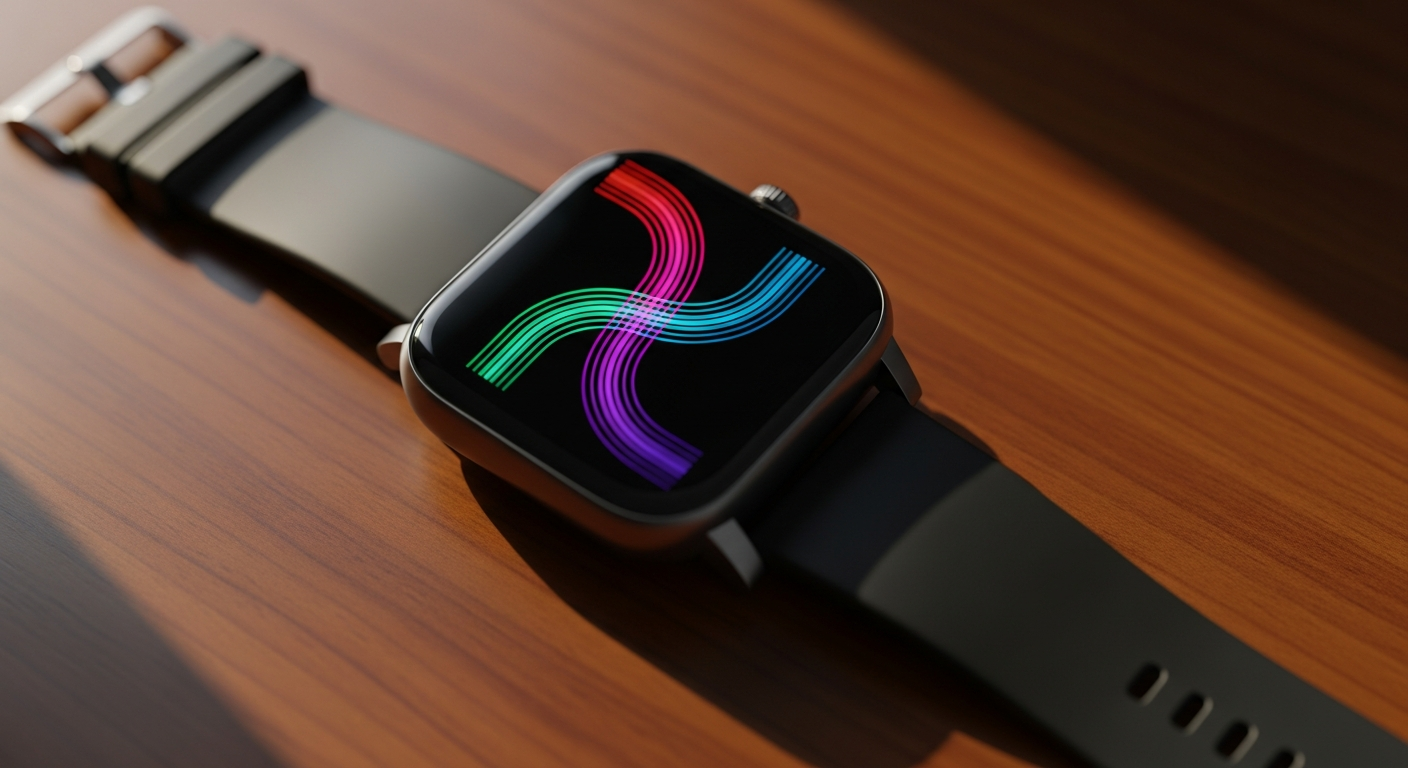
Ever wondered what those fancy wrist gadgets are all about? Smartwatches are becoming super popular, and this guide will break down everything you need to know in simple terms.
Let's explore what a smartwatch can really do for you and if it's the right tech friend for your wrist.
1. What exactly is a smartwatch and how does it work?
A smartwatch is like a tiny computer you wear on your wrist, much like a regular watch. It connects wirelessly, usually to your smartphone, to bring many of your phone's features right to you. Think of it as a helpful assistant always on your arm.
It works by using small sensors and a tiny screen to show you information. It talks to your phone using Bluetooth, a short-range wireless signal, to get messages, track your steps, and more. Some smartwatches can even connect directly to the internet.
2. How is a smartwatch different from a traditional watch?
A traditional watch simply tells time and might show the date. A smartwatch does all that and much, much more! It's an interactive device with a screen that can change, show notifications, and run apps.
Unlike a traditional watch, a smartwatch needs to be charged regularly, similar to a phone. It also often tracks your health, like heart rate and steps, making it a health companion as well as a time teller.
3. What are the main functions of a smartwatch for everyday use?
For everyday use, smartwatches are great for quick glances at notifications like texts, emails, and calendar alerts without pulling out your phone. They also excel at fitness tracking, counting your steps, monitoring your heart rate, and even tracking sleep.
Many smartwatches also offer convenient features like mobile payments, controlling music playback on your phone, and even finding your misplaced phone. They bring essential information and tools right to your wrist, making daily tasks a bit easier.
Traditional Watch
- Tells time and date
- Long battery life (years)
- Classic style
- No charging needed
- Simple, focused purpose
Smartwatch
- Tells time, date, and much more
- Needs daily/weekly charging
- Digital, customizable screen
- Notifications & apps
- Fitness & health tracking
4. Can I make and receive calls directly from my smartwatch?
Yes, many smartwatches allow you to make and receive calls directly from your wrist. This feature often requires your smartwatch to be connected to your smartphone via Bluetooth, acting as a speaker and microphone for your phone.
Some advanced smartwatches have their own cellular connection (eSIM), meaning they can make calls even if your phone isn't nearby. This is great for leaving your phone at home during a run, but it usually comes with an extra monthly service fee.
5. Do I need a smartphone to use a smartwatch?
For most smartwatches, especially entry-level models, a smartphone is essential for the initial setup and to unlock most features. Your phone handles app downloads, settings, and syncing data like health stats and notifications.
However, some premium smartwatches with their own cellular connection can operate more independently. While they still benefit from being paired with a phone, they can perform basic functions like calls, texts, and streaming music without your phone nearby. But even these often need a phone for initial setup.
6. What types of apps can I use on a smartwatch?
Smartwatches support a variety of apps designed for quick interactions. Common app types include fitness trackers (for steps, heart rate, workouts), communication apps (for quick replies to messages), and navigation apps that give turn-by-turn directions on your wrist.
You can also find apps for weather updates, controlling smart home devices, setting timers, and even simple games. The app selection depends on your smartwatch brand and operating system, but they are all designed to be simple and glanceable.
7. How long does the battery typically last on a smartwatch?
Smartwatch battery life varies greatly depending on the model, how often you use it, and what features are active. Most full-featured smartwatches need charging every 1 to 2 days, similar to a smartphone.
Some simpler smartwatches, often called hybrid smartwatches, can last for several days or even weeks because they have fewer advanced features and sometimes use a less power-hungry screen. Always check the manufacturer's stated battery life for the model you're interested in.
Smartwatch Battery Life: What Drains It?
8. Can I customize the watch face on my smartwatch?
Absolutely! One of the most popular features of smartwatches is the ability to change your watch face. You can choose from hundreds, sometimes thousands, of different digital designs, from classic analog looks to futuristic displays with lots of information.
Many smartwatches also let you customize watch faces even further, allowing you to pick colors, add "complications" (small pieces of information like weather or step count), or even use your own photos as the background. This lets you match your watch to your outfit or mood.
9. Is a smartwatch worth buying for a beginner?
Yes, a smartwatch can be a great investment even for beginners, especially if you're looking for convenience and basic health tracking. They simplify getting notifications and can encourage a more active lifestyle by tracking your movement.
Start with a simpler model that focuses on core features like notifications, step counting, and heart rate monitoring. As you get comfortable, you can explore more advanced features or consider upgrading. It's an easy way to dip your toes into wearable tech.
10. What are some common notifications I'll get on my wrist?
You'll typically receive notifications for incoming calls, text messages, and emails. Your smartwatch can also alert you to calendar appointments, social media updates, and news headlines, all without needing to check your phone.
Many smartwatches also provide health-related notifications, such as reminders to stand up and move, alerts for unusual heart rates, or progress updates on your daily step goals. You can usually customize which notifications you want to see on your wrist.