
What Can a Smartwatch Do Beyond Just Telling Time?
Smartwatches are tiny computers you wear on your wrist, offering much more than just the time. They bring many of your phone's features right to you, making daily life a bit easier and more connected.
1. What is the main purpose of a smartwatch?
The main purpose of a smartwatch is to extend your smartphone's capabilities to your wrist. It allows you to quickly check important information, manage notifications, and track your health without needing to pull out your phone constantly. Think of it as a convenient companion for your phone.
2. How does a smartwatch connect to my phone?
Most smartwatches connect to your smartphone using Bluetooth, a wireless technology for short distances. Your phone and watch "pair" up, allowing them to share information. Some advanced smartwatches can also connect directly to Wi-Fi or even have their own cellular connection, working more independently.
3. Can I answer calls on a smartwatch?
Yes, many smartwatches allow you to answer calls directly from your wrist. If your smartwatch has a built-in speaker and microphone, you can talk hands-free. Even without these, you can often accept or decline calls and then continue the conversation on your phone or connected earbuds.
4. Do smartwatches show notifications?
Absolutely! One of the most popular features is receiving notifications. Your smartwatch will vibrate or display alerts for incoming calls, text messages, emails, and app updates from your phone. You can quickly glance at your wrist to see if something is urgent without disrupting what you're doing.
Smartphone
- Large screen, full keyboard
- Detailed app usage
- Long battery life (days)
- Primary communication device
Smartwatch
- Small screen, quick glance
- Notifications, quick actions
- Shorter battery life (1-2 days)
- Convenient companion device
5. What health features do smartwatches have?
Smartwatches are excellent health and fitness trackers. They can monitor your heart rate, count your steps, track calories burned, and even analyze your sleep patterns. Many also offer guided breathing exercises, blood oxygen tracking, and reminders to move, helping you stay active and aware of your well-being.
6. Can I control music with my smartwatch?
Yes, controlling music is a common and convenient smartwatch feature. You can play, pause, skip tracks, and adjust the volume of music playing on your connected phone or Bluetooth headphones. Some smartwatches even let you store music directly on them, so you can listen without your phone nearby.
7. Do smartwatches have apps?
Many smartwatches support a variety of apps, just like your phone. These can include fitness apps, weather updates, navigation tools, and even simple games. The app selection depends on your smartwatch brand and model, but they are designed for quick interactions on a smaller screen.
Smartwatch Setup Flow
8. How do I charge a smartwatch?
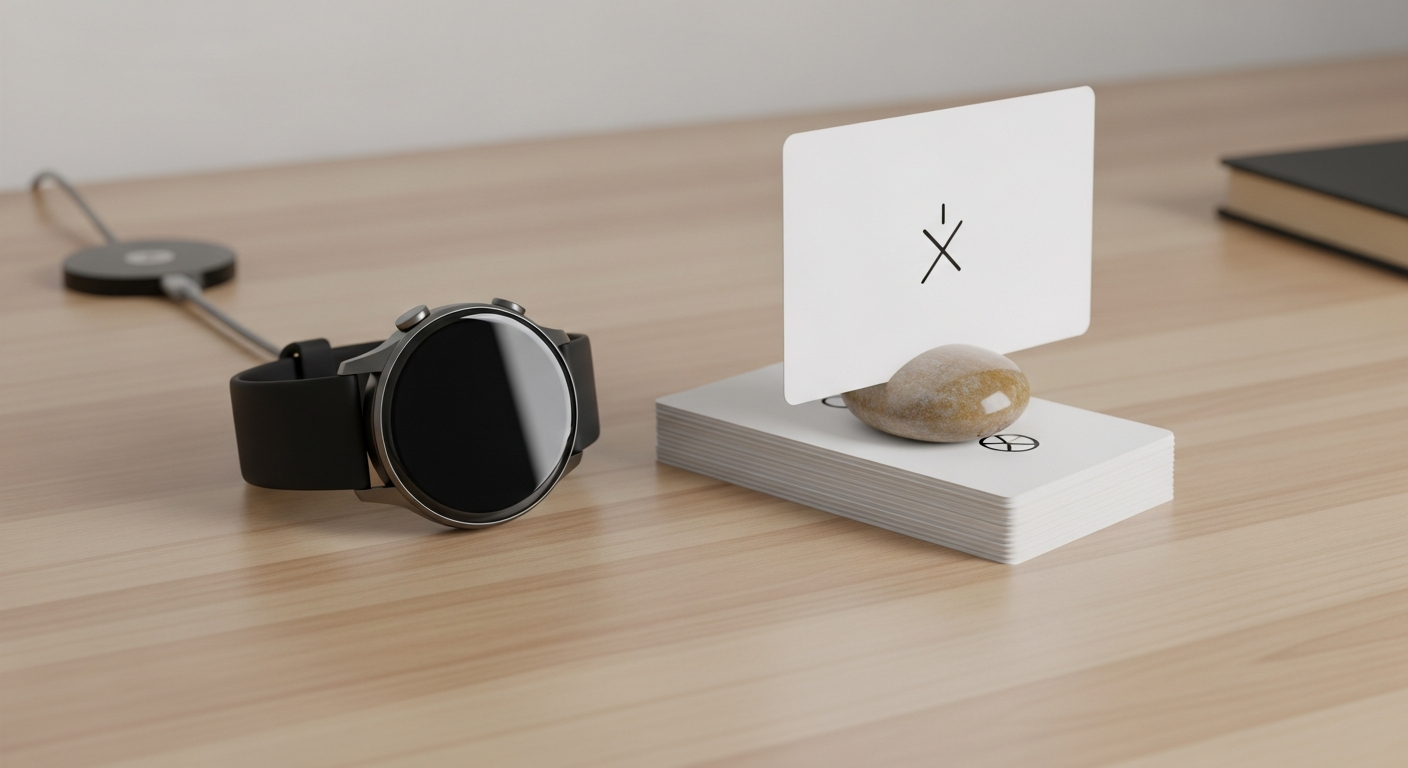
Most smartwatches charge wirelessly using a special magnetic charging puck or cradle. You simply place your watch onto the charger, and it connects magnetically to power up. They typically need to be charged every one to two days, depending on usage and battery size.
9. What's the difference between GPS and non-GPS smartwatches?
GPS (Global Positioning System) smartwatches have a built-in sensor that can track your location and distance without needing your phone. This is great for runners or hikers who want to record their routes accurately. Non-GPS smartwatches rely on your phone's GPS for location tracking, so your phone needs to be with you.
10. Is a smartwatch worth it for a beginner?
For a beginner, a smartwatch can be very worthwhile, especially if you want to stay connected without constantly checking your phone. It simplifies notifications, helps track basic fitness, and adds convenience to your day. Start with a basic model to see which features you use most, then upgrade if needed.