
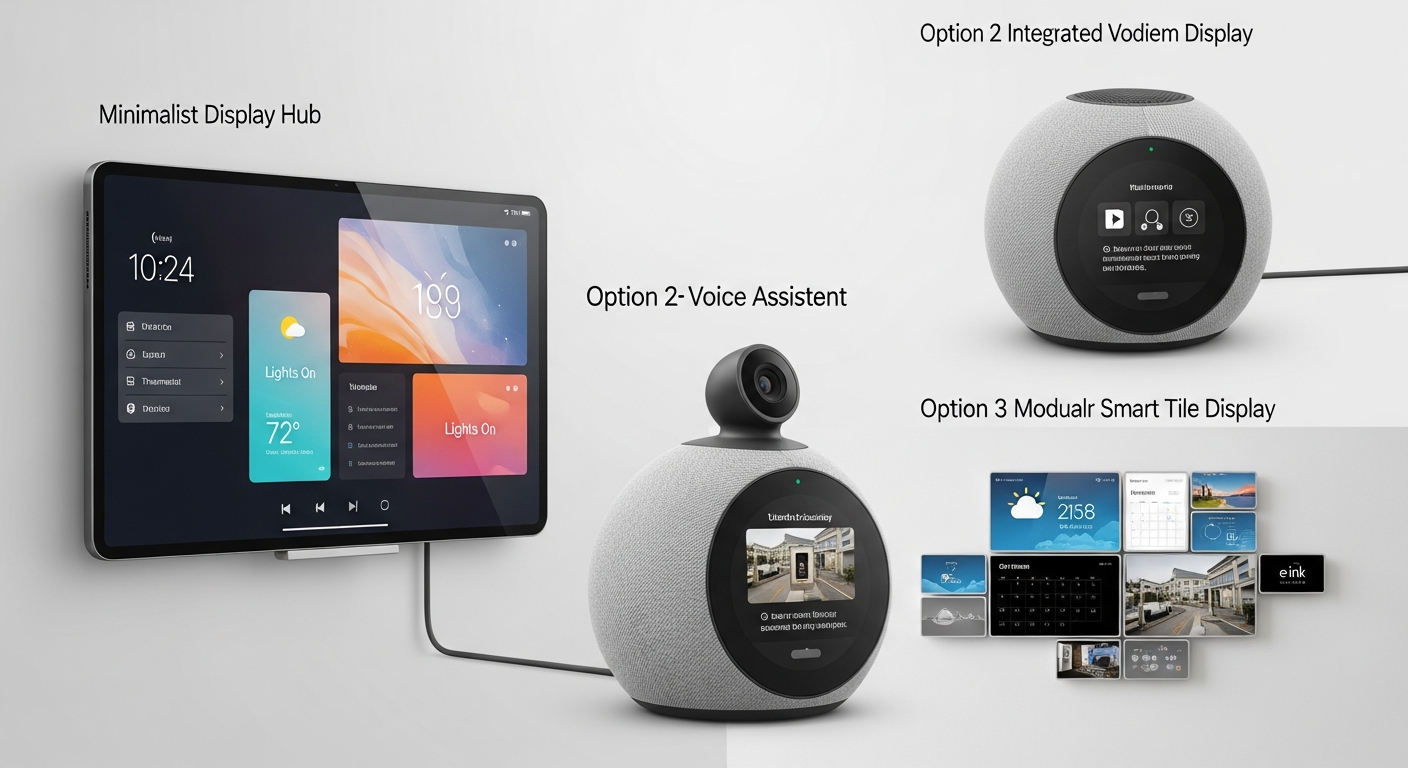
Smart home devices use technology to make everyday tasks easier and your home safer. For older adults, these devices can offer peace of mind and practical help, making independent living more secure.
1. What are smart lights and how do they help?
Smart lights are light bulbs you can control with your voice, a phone app, or a schedule. They help by preventing falls, as you can turn them on before entering a dark room. They can also make it look like someone is home even when they're not, deterring potential intruders.
2. Can smart doorbells make my home safer?
Yes, smart doorbells have cameras and microphones, letting you see and talk to visitors from anywhere using your phone. This means you don't have to open the door to strangers and can check who's at the door without getting up, adding a layer of security and convenience.
3. How do voice assistants help with emergencies?
Voice assistants like Amazon Alexa or Google Assistant respond to spoken commands. In an emergency, you can simply say, "Call emergency services" or "Call my daughter," and the device will dial for you. This is incredibly helpful if you can't reach a phone or need quick assistance.
Traditional Doorbell
- Must be home to answer
- No visual of visitor
- Cannot record interactions
- Less secure
Smart Doorbell
- Answer from anywhere
- See and speak to visitor
- Records video clips
- Enhanced security
4. What are smart plugs for?
Smart plugs turn any regular appliance into a "smart" one. You plug them into an outlet, then plug your lamp or fan into the smart plug. You can then control that appliance with your voice or a phone app, even setting schedules. This helps prevent hazards like leaving a heater on accidentally.
5. Can smart locks be used by seniors?
Absolutely. Smart locks let you lock and unlock doors using a phone app, a keypad, or even your voice. This means no fumbling with keys, and you can grant temporary access to caregivers or family members without needing to cut spare keys. They can also lock automatically, ensuring the door is always secured.
6. How do I set up motion sensors?
Motion sensors detect movement and can be placed in hallways or rooms. They are usually peel-and-stick or screw-in. When motion is detected, they can trigger smart lights to turn on, preventing trips in the dark, or send an alert to a family member if unexpected movement occurs, indicating a potential issue.
7. What about fall detection systems?
Fall detection systems are wearable devices, like pendants or smartwatches, that automatically detect if someone has fallen. Once a fall is detected, they can alert emergency contacts or professional monitoring services. This provides immediate help, which is crucial for minimizing injury after a fall, even if the person cannot call for help themselves.
Smart Home Safety Flow: Fall Detection
- Wearable device detects fall
- Alert sent to family/monitoring
- Two-way communication activated
- Help dispatched if needed
8. Can smart devices remind me to take medicine?
Yes, many smart home devices, especially voice assistants, can be programmed to give medication reminders. You can set them to announce, "Time to take your blood pressure medicine," at specific times. Some smart pill dispensers also connect to apps, sending alerts to your phone or a caregiver's if a dose is missed.
9. How do I control these devices easily?
The simplest way is often with your voice, using a voice assistant. Many devices also come with user-friendly smartphone apps with large buttons and clear instructions. You can also set up "routines" where one command triggers several actions, like "Goodnight" turning off all lights and locking the doors.
10. Are smart home devices secure?
Most reputable smart home devices have strong security features built-in. To keep them secure, always use strong, unique passwords for your accounts and Wi-Fi network. Keep your devices updated with the latest software, as these updates often include security improvements. This helps protect your privacy and prevents unauthorized access.