
Many people wonder if smart home devices are just fancy gadgets or if they can genuinely help with everyday costs. The good news is that many smart devices are designed with energy efficiency in mind, offering real potential to save you money on your utility bills.
1. Which smart devices are best for saving energy?
The top smart devices for energy savings usually involve heating, cooling, and lighting. Smart thermostats are excellent for managing your home's temperature efficiently. Smart plugs and smart lighting systems also offer significant opportunities to reduce wasted electricity by giving you better control over your devices and lights.
2. How do smart thermostats reduce energy consumption?
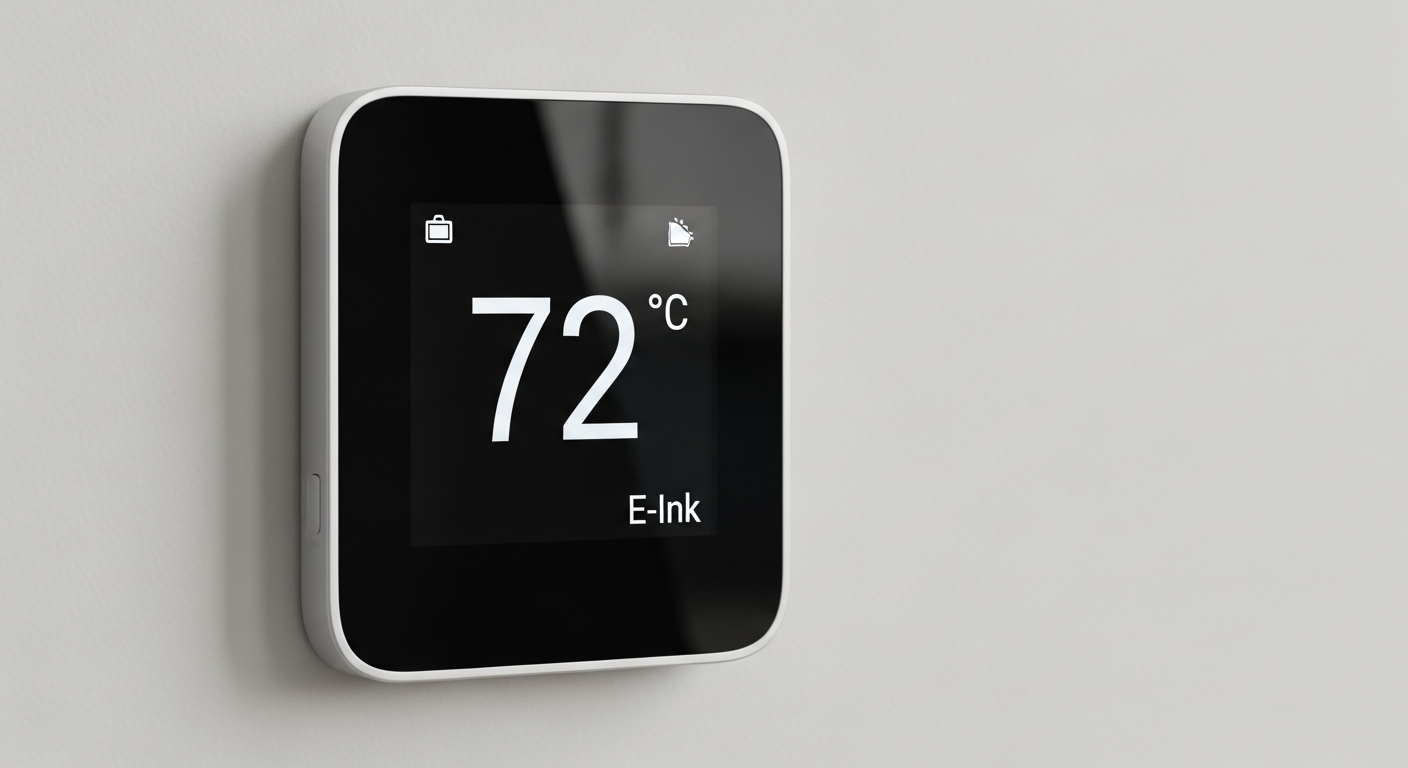
Smart thermostats learn your habits and adjust your home's temperature automatically. They can turn down the heat or AC when you're away or asleep, and warm or cool your home just before you arrive. This prevents you from heating or cooling an empty house, saving a lot of energy that would otherwise be wasted.
3. Can smart plugs help lower my electricity bill?
Absolutely! Smart plugs let you turn devices on or off remotely, even when you're not home. They also help eliminate "phantom load," which is the small amount of electricity devices use even when turned off but still plugged in. By cutting power completely to idle electronics, smart plugs prevent this wasted energy.
Traditional Devices
- Always on/standby
- Manual control only
- No usage insights
- Energy waste common
Smart Devices
- Automated power-off
- Remote & scheduled control
- Energy monitoring
- Reduced standby power
4. Do smart lights use less energy than regular bulbs?
Yes, smart lights are almost always LED bulbs, which use significantly less electricity than old incandescent bulbs. Beyond that, smart lights offer features like dimming, scheduling, and motion detection. These allow you to only use light when and where it's needed, further reducing energy consumption compared to traditional lights that might be left on unnecessarily.
5. How can I monitor my energy usage with smart devices?
Many smart devices, especially smart plugs and some thermostats, come with apps that track their energy consumption. Some smart home hubs or dedicated energy monitors can even give you a complete overview of your home's electricity use. This data helps you identify energy hogs and make informed decisions to save more.
6. What role does automation play in energy savings?
Automation is key to maximizing energy savings. It means setting up rules so your devices work together automatically. For example, your lights can turn off when you leave, or your blinds can close when the sun is strongest to keep your home cool. This ensures energy-saving actions happen consistently, without you having to remember them.
7. Are there specific smart appliances that save money?
While not all smart appliances directly save energy, some do. Smart refrigerators can optimize cooling cycles, and smart washing machines might suggest off-peak wash times when electricity is cheaper. Look for appliances with "Energy Star" ratings, as these are designed to be highly efficient, whether they are smart or not.
Smart Home Energy Flow
Detect presence, light, temp
Processes data, sets rules
Lights, plugs, thermostats
Reduced bills, lower waste
8. Do smart devices consume energy even when idle?
Yes, most smart devices, like any electronic gadget, consume a small amount of power even when idle to stay connected to your network and respond to commands. This is often called "standby power" or "vampire drain." However, the energy saved by their smart features usually far outweighs this minimal idle consumption.
9. What's the payback period for investing in energy-saving smart tech?
The payback period varies greatly depending on the device, your current energy habits, and local electricity rates. Smart thermostats often pay for themselves within one to two years due to significant heating and cooling savings. Smart plugs and lights can also offer quick returns, especially if you're replacing inefficient older bulbs.
10. How can I optimize my smart home for maximum energy efficiency?
To get the most savings, integrate your devices so they work together. Use schedules for lights and thermostats, and create automation rules based on occupancy or time of day. Regularly review your energy usage data to find areas for improvement, and ensure all your smart devices are updated for optimal performance.