
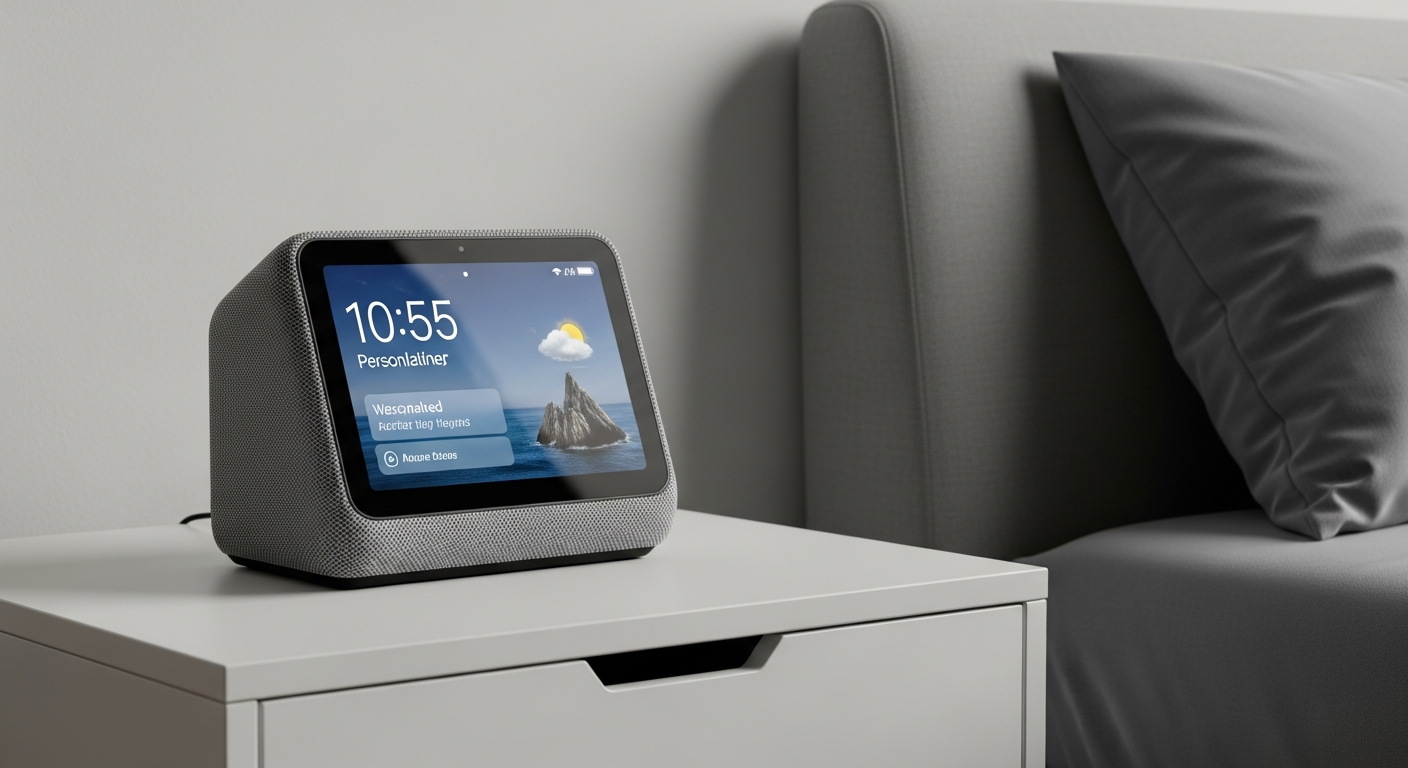
Smart home devices are everyday gadgets that connect to the internet, making your home "smarter" and more helpful. For seniors, these devices can simplify daily tasks, improve safety, and offer greater comfort around the house.
1. What are smart home devices?
Smart home devices are electronic gadgets that can connect to your home's internet, letting you control them remotely or through voice commands. Think of them as regular items like lights or thermostats, but with added "brains" that make them easier and more convenient to use.
They can talk to each other and often learn your habits, making your home more responsive to your needs. This means less effort for you in managing your home environment.
2. How can voice assistants help seniors?
Voice assistants like Amazon Alexa or Google Assistant are speakers that respond to your voice. Seniors can simply speak commands to do things like play music, get weather updates, set timers, or even make calls to loved ones, all without needing to press buttons or navigate menus.
This hands-free control is especially helpful for those with limited mobility or vision. It makes accessing information and entertainment much simpler and more direct.
3. What are smart lights and why are they useful?
Smart lights are light bulbs you can control with your voice, a smartphone app, or a simple remote. You can turn them on or off, dim them, or even change their color without getting up.
For seniors, this means no more fumbling for light switches in the dark, reducing the risk of falls. You can also set schedules so lights turn on automatically when it gets dark, making the home feel safer and more welcoming.
Traditional Lights
- Manual switches only
- Fixed brightness
- No remote control
- Risk of falls in dark
Smart Lights
- Voice or app control
- Adjustable brightness/color
- Remote access from anywhere
- Automated schedules for safety
4. Can smart plugs make appliances easier to use?
Smart plugs are small adapters that go into your wall outlet. You plug your regular appliances, like lamps, fans, or coffee makers, into them. Once plugged in, you can turn these appliances on or off using your voice or a simple app.
This is great for seniors who might forget to turn off an appliance or find it hard to reach outlets. You can also set schedules, so your coffee is ready when you wake up, or a fan turns off automatically.
5. How do smart doorbells improve security?
Smart doorbells have a camera and microphone, letting you see and talk to whoever is at your door from a screen inside your home or even on a smartphone. You don't need to open the door to see who's there.
This adds a layer of security, as seniors can screen visitors safely without physical effort. It helps prevent unwanted visitors and provides peace of mind, especially when alone.
6. What about smart thermostats for comfort?
Smart thermostats allow you to control your home's heating and cooling with your voice or an app, even when you're not home. They can also learn your preferences and adjust temperatures automatically.
For seniors, this means staying comfortable without constantly adjusting the thermostat. You can warm up a room before getting out of bed or ensure the house is cool before you return, all with minimal effort.
7. Is setting up smart home devices complicated?
Many modern smart home devices are designed to be quite simple to set up. Most just need to be plugged in and connected to your home's Wi-Fi using a straightforward app on a smartphone or tablet. Step-by-step guides are usually included.
If you find it challenging, many retailers offer installation services, or a tech-savvy family member or friend can often help. There are also community resources and online tutorials available to guide you.
Simple Smart Device Setup
- Plug in device
- Download app
- Connect to Wi-Fi
- Start using!
8. What are the privacy concerns with smart home tech?
Smart devices collect some data, like your voice commands or usage patterns, to work effectively. Companies usually explain how they use this data in their privacy policies. To protect your privacy, use strong, unique passwords for your Wi-Fi and device accounts.
Only buy from reputable brands, keep your device software updated, and review privacy settings. You can often choose what data your devices share, giving you more control.
9. Can smart devices help with medication reminders?
Yes, many smart home devices, especially voice assistants, are excellent for setting medication reminders. You can simply tell your voice assistant, "Hey Google, remind me to take my pills at 8 AM and 8 PM."
The device will then give an audible reminder at the set times. This hands-free, verbal reminder system can be a huge help for seniors who need to manage multiple medications throughout the day.
10. Where can I find simple smart home products?
You can find simple smart home products at most major electronics stores, department stores, and online retailers. Look for brands known for user-friendliness, such as Amazon Echo, Google Nest, Philips Hue, or TP-Link Kasa.
Many products are designed with ease of use in mind, often labeled as "senior-friendly" or "easy setup." Don't hesitate to ask store staff for recommendations on products that offer straightforward functionality.