
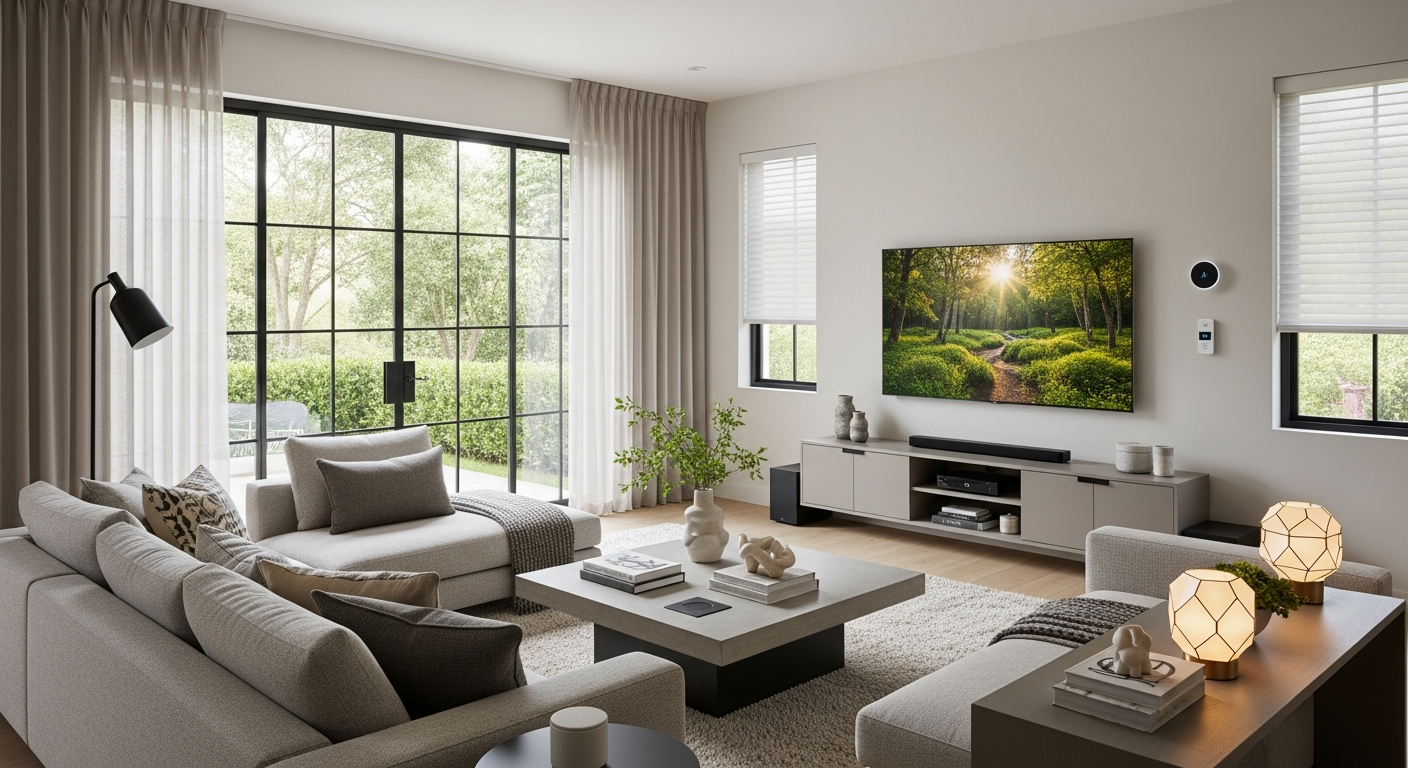
Smart home devices are becoming more common, and they offer incredible benefits for everyone, especially those needing accessibility support or help with daily tasks. This guide will show you how these clever gadgets can make life easier and safer.
1. What are smart home devices?
Smart home devices are everyday gadgets like lights, thermostats, and door locks that can connect to the internet. This connection lets you control them remotely using your smartphone, tablet, or even your voice, making your home more convenient and responsive to your needs.
2. How can smart lights help someone with mobility issues?
Smart lights can be turned on or off, dimmed, or even change color without you needing to touch a switch. This is great for someone who finds it hard to move around, as they can control lights from their bed or chair using a phone or voice command.
3. What smart plugs can do for accessibility?
Smart plugs turn any regular appliance into a "smart" one. Plug in a lamp, fan, or coffee maker, and you can then control it with your voice or phone. This means you don't have to bend down to reach outlets or struggle with small switches, making daily tasks much simpler.
Traditional Appliance
- Manual on/off switch
- Requires physical interaction
- Limited control options
Appliance with Smart Plug
- Voice control (e.g., "Turn on fan")
- Remote control via phone app
- Set schedules for on/off
4. Are smart thermostats easy to use for seniors?
Yes, many smart thermostats are designed to be user-friendly. They allow you to adjust your home's temperature using a large display, a smartphone app, or even voice commands. You can also set schedules so the house is always comfortable without constant manual adjustments, which is great for maintaining comfort and saving energy.
5. How do voice assistants integrate with smart homes?
Voice assistants like Amazon Alexa or Google Assistant are the "brains" of many smart homes. You can simply speak commands, and they will control your lights, thermostat, locks, and more. This hands-free control is incredibly helpful for anyone who struggles with dexterity or needs to multitask.
6. Can smart door locks improve security and convenience?
Absolutely. Smart door locks let you lock or unlock your door remotely using your phone or a voice command. You can also give temporary access codes to caregivers or family members. This means no fumbling with keys, and you can always check if your door is locked, adding peace of mind and security.
7. What about smart sensors for fall detection?
Some smart sensors, often worn or placed strategically, can detect if someone has fallen. These systems can then automatically alert family members or emergency services. While not a replacement for professional care, they offer an extra layer of safety and reassurance, especially for those living alone.
How Smart Fall Detection Works
Person moves normally
Sensor detects sudden fall
Alert sent to smart hub
Family/caregiver notified
Emergency services contacted (if set up)
8. Are these devices complicated to set up?
Many modern smart home devices are designed for easy setup, often just requiring you to plug them in and follow simple instructions on a smartphone app. If you're unsure, many retailers offer installation services, or a tech-savvy friend or family member can usually help.
9. What are some privacy concerns with smart homes?
It's natural to worry about privacy. Smart devices collect data to work, like your usage patterns or voice commands. To protect yourself, choose reputable brands, use strong passwords, and understand their privacy policies. You can also adjust settings to limit data sharing where possible.
10. Where can I buy reliable smart home tech?
You can find reliable smart home tech at major electronics retailers, both online and in physical stores. Look for well-known brands that offer good customer support and clear warranty information. Reading reviews from other users can also help you choose the best devices for your needs.