
Working from home offers flexibility, but staying productive and focused can be a challenge. This guide will help you set up habits and strategies to thrive in your remote work environment.
1. How do I create a daily routine for remote work?
A good routine brings structure to your day, similar to going into an office. Start by setting a consistent wake-up time and "start work" time. Include regular breaks and a fixed "end work" time to help your brain switch gears.
Plan your most important tasks for when you have the most energy, usually in the morning. Write down your plan each evening or morning so you know exactly what to do. This helps reduce decision fatigue and keeps you on track.
2. What are common distractions when working from home?
Distractions at home can be anything from household chores, social media, pets, or even family members. Notifications from your phone or computer are also major culprits. Recognize what pulls your attention away most often.
Identify your personal distraction triggers. For some, it's the urge to check the fridge; for others, it's a notification from a messaging app. Knowing your triggers is the first step to managing them effectively.
3. How can I avoid procrastination?
Procrastination is putting off tasks, often due to feeling overwhelmed or bored. Break large tasks into smaller, manageable steps. This makes them seem less daunting and easier to start.
Try the "two-minute rule": if a task takes less than two minutes, do it immediately. This prevents small tasks from piling up and becoming bigger problems later. Reward yourself after completing difficult tasks to build positive habits.
Procrastination
- Feeling overwhelmed by big tasks
- Getting easily sidetracked
- Waiting for "perfect" conditions
- Doing less important things first
Productivity
- Breaking tasks into small steps
- Setting clear goals
- Starting immediately (2-min rule)
- Focusing on one task at a time
4. Are there simple time management techniques?
The Pomodoro Technique is very popular. You work for 25 minutes straight on one task, then take a 5-minute break. After four "Pomodoros," take a longer 15-30 minute break. This method helps maintain focus and prevents burnout.
Another technique is time blocking: dedicate specific blocks of time in your calendar for certain tasks or types of work. Treat these blocks like appointments you cannot miss. This ensures important work gets done.
5. Should I take breaks, and how often?
Yes, breaks are crucial for staying focused and preventing mental fatigue. Short, frequent breaks are more effective than one long break. Aim for a 5-10 minute break every hour or so, and a longer break (30-60 minutes) around midday.
During breaks, step away from your screen. Stretch, walk around, grab a snack, or do a quick chore. Avoid checking social media or emails, as this doesn't truly rest your brain from work-related tasks.
6. How do I separate work and personal life?
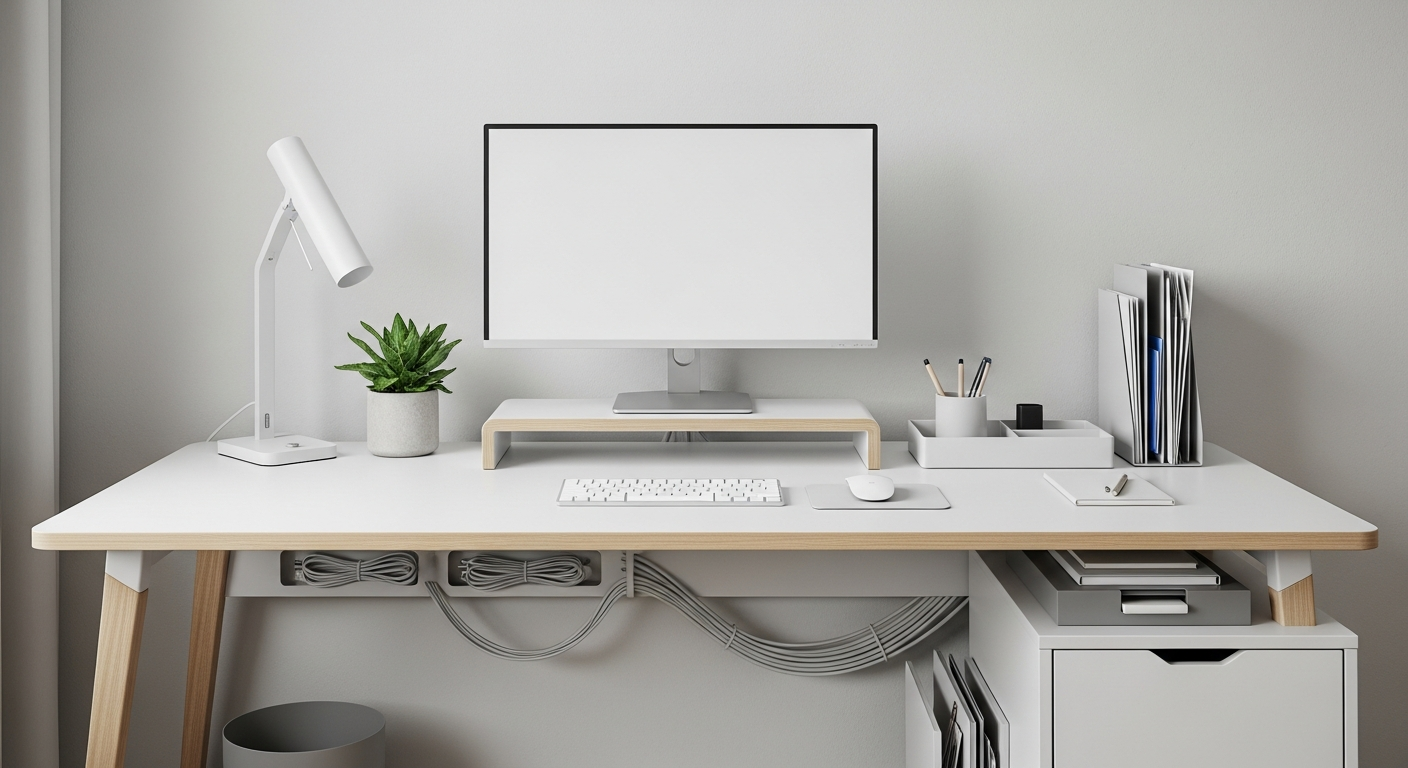
Create a dedicated workspace, even if it's just a specific corner of a room. This physical separation helps your brain associate that space with work. When you leave that space, you're "leaving work."
Establish clear start and end times for your workday. When you finish, close your work computer and put away work-related items. This signals to yourself and others that your workday is over, allowing you to fully relax.
7. What if my family or roommates distract me?
Communicate your work schedule and boundaries clearly. Let them know when you need uninterrupted focus time and when you're available for quick chats. Use visual cues, like a "Do Not Disturb" sign on your door.
If possible, schedule your most demanding work during times when others are less likely to interrupt, such as during school hours or when roommates are out. Noise-canceling headphones can also be a lifesaver.
Setting Boundaries at Home
8. Are there apps to help with focus?
Yes, many apps can help. "Forest" is popular; it grows a virtual tree when you stay focused and kills it if you use your phone. "Toggl Track" helps you track time spent on tasks, showing where your time goes.
Other apps like "Cold Turkey" or "Freedom" can block distracting websites and apps for set periods. Experiment with a few to see what works best for your specific distraction habits and work style.
9. How can I stay motivated working alone?
Set clear, achievable goals for each day and week. Seeing progress helps maintain motivation. Celebrate small wins, like completing a tough task, to reinforce positive behavior.
Stay connected with colleagues through video calls or messaging. Schedule virtual coffee breaks or check-ins. Maintaining social interaction can combat feelings of isolation and keep your spirits up.
10. What's the best way to start my workday remotely?
Begin with a consistent morning routine that signals the start of work. This could be getting dressed, making coffee, or doing a short walk. Avoid immediately checking emails or social media.
Review your plan for the day and identify your top 1-3 priorities. Tackle one of these important tasks first. This "eat the frog" approach ensures you make progress on critical work before other distractions arise.