
Working remotely offers flexibility but can blur the lines between your job and personal life. This guide will help you create a healthy balance, ensuring you thrive both professionally and personally.
1. How can I set clear boundaries between work and home life?
Setting boundaries means creating clear rules for when you're working and when you're not. Start by defining your work hours and sticking to them. Communicate these hours to your colleagues and family so everyone understands when you are available.
When your workday ends, physically or mentally switch off. Close work applications, put away your laptop, and avoid checking emails. This helps your brain shift from "work mode" to "home mode."
2. Is it important to have a dedicated workspace?
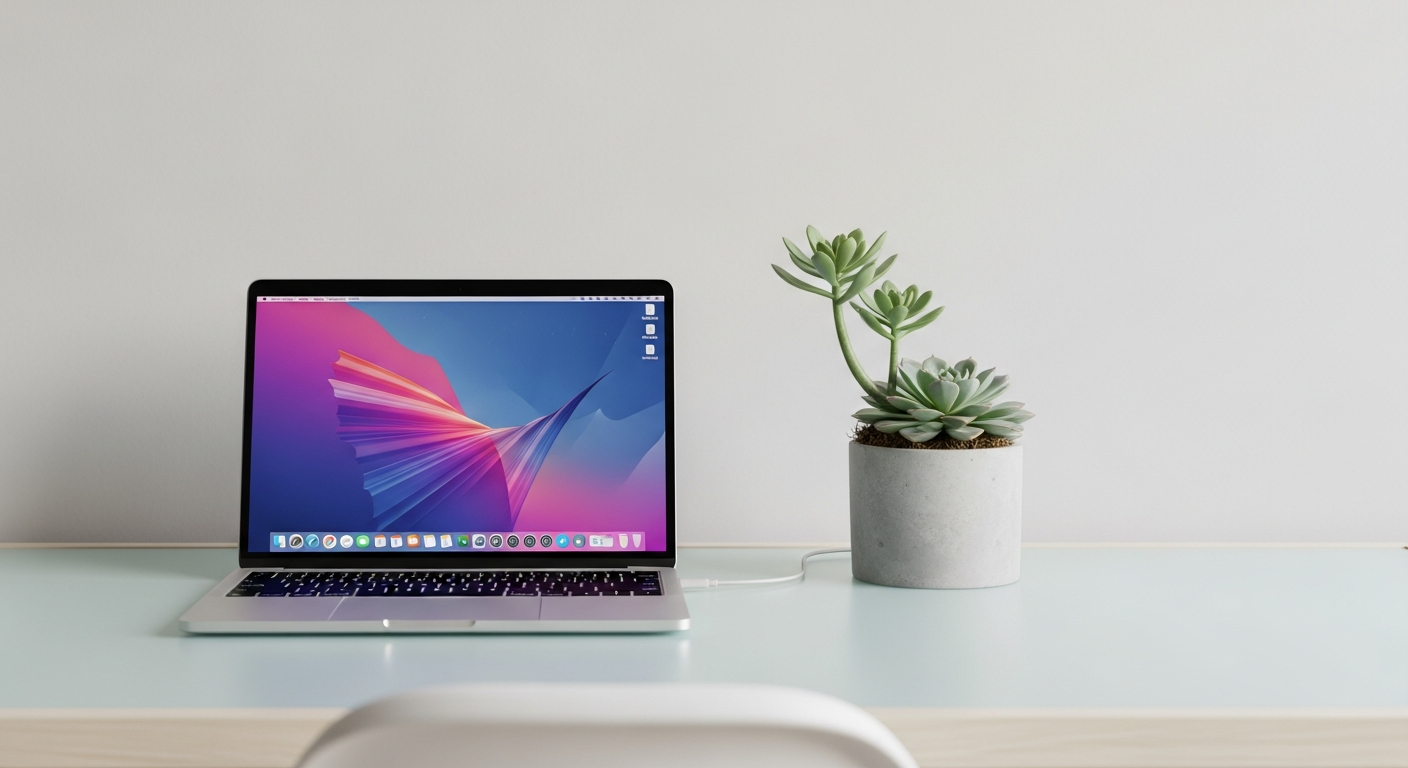
Yes, having a dedicated workspace is very important. It doesn't have to be a separate room; even a specific corner or desk can work. This physical separation helps your brain associate that space with work and other areas with relaxation.
A dedicated space also helps reduce distractions and makes it easier to focus during work hours. When you step away from this space, it signals to your mind that your workday is over, helping you disconnect.
3. How do I avoid overworking when working from home?
To avoid overworking, treat your remote job like an in-office one. Start and end your day at consistent times. Use a planner or digital calendar to schedule tasks and breaks, and stick to your schedule as much as possible.
Be mindful of "scope creep," where work tasks slowly expand beyond reasonable limits. Learn to say no to extra tasks if your plate is already full, and communicate your workload effectively to your manager.
Working from Bed/Couch
- Blurs work/home lines
- Poor posture, discomfort
- Increased distractions
- Harder to switch off
Dedicated Workspace
- Clear boundaries
- Better focus & posture
- Fewer distractions
- Easier to disconnect
4. What strategies help me disconnect after work?
Create an "end-of-day ritual." This could be a short walk, listening to music, changing into comfortable clothes, or doing a quick tidy-up of your workspace. These actions signal the end of your workday.
Avoid checking work emails or messages after hours. If possible, turn off notifications for work-related apps on your personal devices. Engage in hobbies or activities that are completely unrelated to your job to shift your focus.
5. Should I schedule personal time during the day?
Absolutely! Scheduling personal time, even short blocks, is crucial. This could be a lunch break away from your desk, a quick exercise session, or running an errand. These breaks prevent burnout and refresh your mind.
Think of personal time as an important appointment that you wouldn't cancel. It helps break up your day, improves focus, and reminds you that your well-being is just as important as your work tasks.
6. How can I manage family distractions?
Communication is key. Explain your work schedule to your family and discuss when you need uninterrupted time. Use visual cues, like a "do not disturb" sign on your door, to signal when you're busy.
If possible, arrange childcare or a quiet activity for children during critical work periods. Schedule dedicated family time outside of work hours to ensure everyone feels heard and valued.
7. What role does self-care play in remote work?
Self-care is vital for remote workers. It involves activities that maintain your physical, mental, and emotional health. This includes getting enough sleep, eating nutritious meals, exercising regularly, and engaging in relaxing hobbies.
Neglecting self-care can quickly lead to stress and burnout, especially when work and home environments merge. Prioritizing your well-being helps you stay productive, focused, and happy in the long run.
Self-Care Flow for Remote Workers
8. How do I know if I'm burning out?
Burnout is a state of physical or emotional exhaustion. Signs include feeling constantly tired, lacking motivation, becoming cynical about your work, having trouble concentrating, and experiencing physical symptoms like headaches or stomach issues.
If you notice these signs, it's crucial to act. This might mean taking a break, re-evaluating your workload, or seeking support from a manager, HR, or a mental health professional.
9. Is it okay to take short breaks throughout the day?
Yes, taking short breaks is not just okay, it's highly recommended! Breaks improve focus, reduce eye strain, and prevent mental fatigue. Aim for a 5-10 minute break every hour or two.
Use these breaks to stretch, walk around, grab a drink, or look away from your screen. These small pauses can significantly boost your productivity and overall well-being.
10. How can I maintain social connections while remote?
Remote work can sometimes feel isolating. Make an effort to connect with colleagues through virtual coffee breaks, team calls, or online social events. Suggest non-work related chat channels for casual conversations.
Outside of work, actively plan social activities with friends and family. Join local clubs, volunteer, or participate in community events. Maintaining a strong social network is vital for your mental health.