
Working from home offers great flexibility, but it can also blur the lines between your job and personal life. This guide will help you create a healthy balance, ensuring you thrive both professionally and personally.
1. Why is work-life balance important for remote workers?
A good work-life balance helps you stay happy and healthy. Without it, you might feel stressed, tired, and less motivated. For remote workers, it's easy for work to spill into personal time, making this balance even more crucial to prevent burnout and maintain well-being.
2. How do I set boundaries between work and personal life?
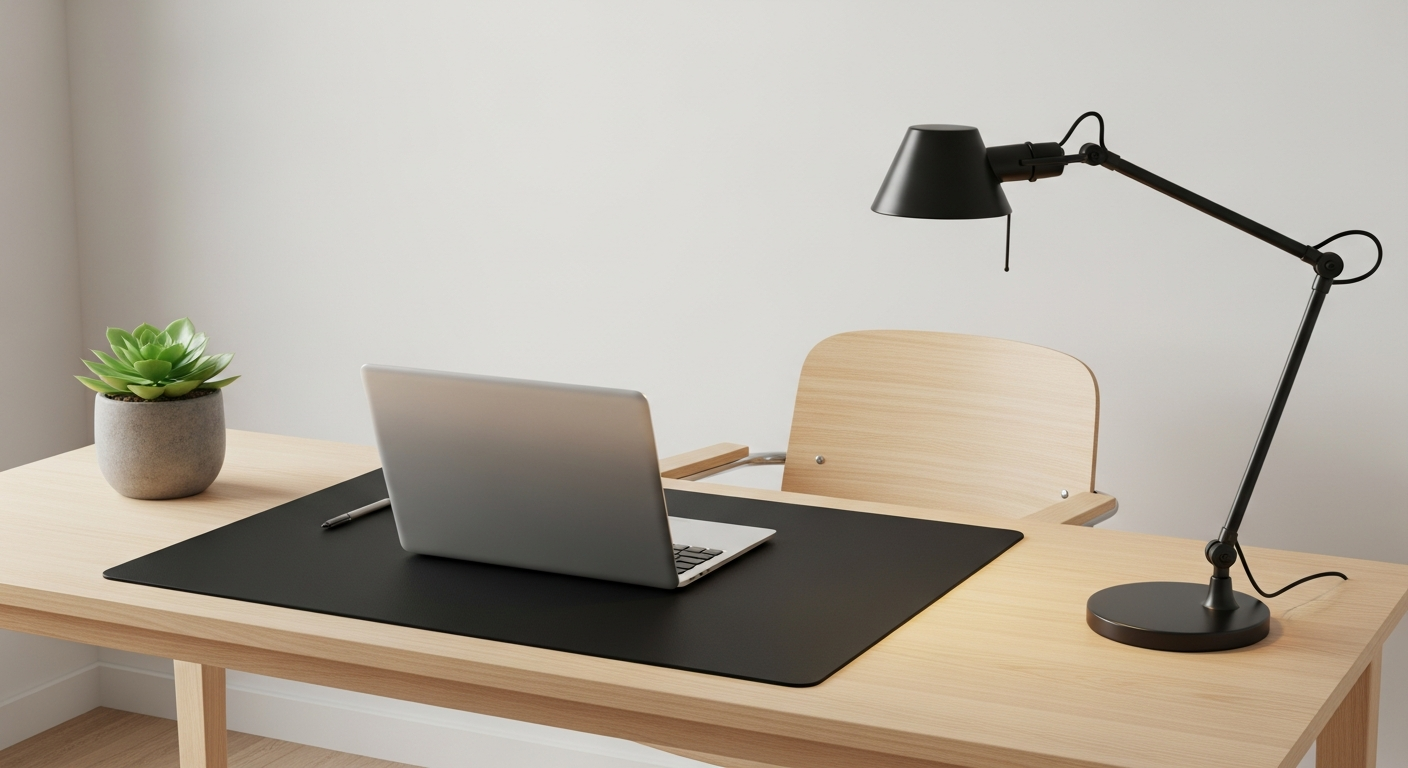
Setting boundaries means creating clear lines between your job and your home life. This could involve having a dedicated workspace, sticking to specific work hours, and communicating these hours to colleagues and family. It helps prevent work tasks from interrupting your personal time.
3. What are signs of burnout in remote work?
Burnout is feeling completely exhausted and overwhelmed by your job. Signs include constant tiredness, feeling irritable, losing interest in work, and having trouble concentrating. It often happens when you work too much without enough rest or breaks, especially when working from home.
Healthy Balance
- Clear work hours
- Dedicated breaks
- Time for hobbies
- Good sleep
- Feeling energized
Burnout Risk
- Work spills over
- Skipping breaks
- No personal time
- Poor sleep
- Feeling exhausted
4. How can I disconnect after work hours?
Disconnecting means mentally stepping away from work once your workday is over. Try to have a "shutdown" routine, like closing your work laptop, tidying your workspace, or going for a short walk. This signals to your brain that work is done for the day, helping you relax and enjoy your personal time.
5. Is it okay to take short breaks during the day?
Absolutely! Short breaks are very important for staying focused and productive. Step away from your screen, stretch, grab a snack, or do something non-work related for a few minutes. These breaks help refresh your mind and prevent fatigue, making you more effective when you return to your tasks.
6. How can I stay social and avoid isolation?
Working from home can sometimes feel lonely. Make an effort to connect with others. This could mean scheduling virtual coffee chats with colleagues, joining online communities, or making plans with friends and family outside of work. Staying social boosts your mood and reduces feelings of isolation.
7. What role does exercise play in remote work?
Exercise is incredibly important for both your physical and mental health, especially when working remotely. It helps reduce stress, improves your mood, and gives you more energy. Even short bursts of activity, like a quick walk or some stretches, can make a big difference in your day.
Your Daily Disconnect Flow
- Finish Last Task
- Close Work Apps
- Tidy Workspace
- Change Clothes
- Go for a Walk
- Enjoy Personal Time
8. How do I manage expectations with family/friends?
It's important to help your family and friends understand your work schedule. Explain that even though you're home, you're still working during specific hours and might not be available for interruptions. Clearly communicate your availability for personal matters to avoid misunderstandings and ensure your focus.
9. Should I have a "shut down" routine for my workday?
Yes, a "shut down" routine is highly recommended. This is a set of actions you do at the end of each workday to signal that work is officially over. It could be reviewing tomorrow's tasks, closing all work programs, or even just saying "goodbye" to your computer. It helps create a mental break.
10. How can I prevent my home from feeling like an office?
To keep your home feeling like a home, try to separate your workspace from your living space as much as possible. If you don't have a dedicated office, use a specific corner or a desk that you can pack away. Also, make sure to engage in non-work activities in other areas of your home to reinforce that it's your personal sanctuary.