
How Can Tech Help Seniors Manage Medications Effectively?
Managing medications can be tricky, especially with multiple prescriptions. Thankfully, modern technology offers simple tools to help seniors stay on track with their health.1. What are medication reminder apps?
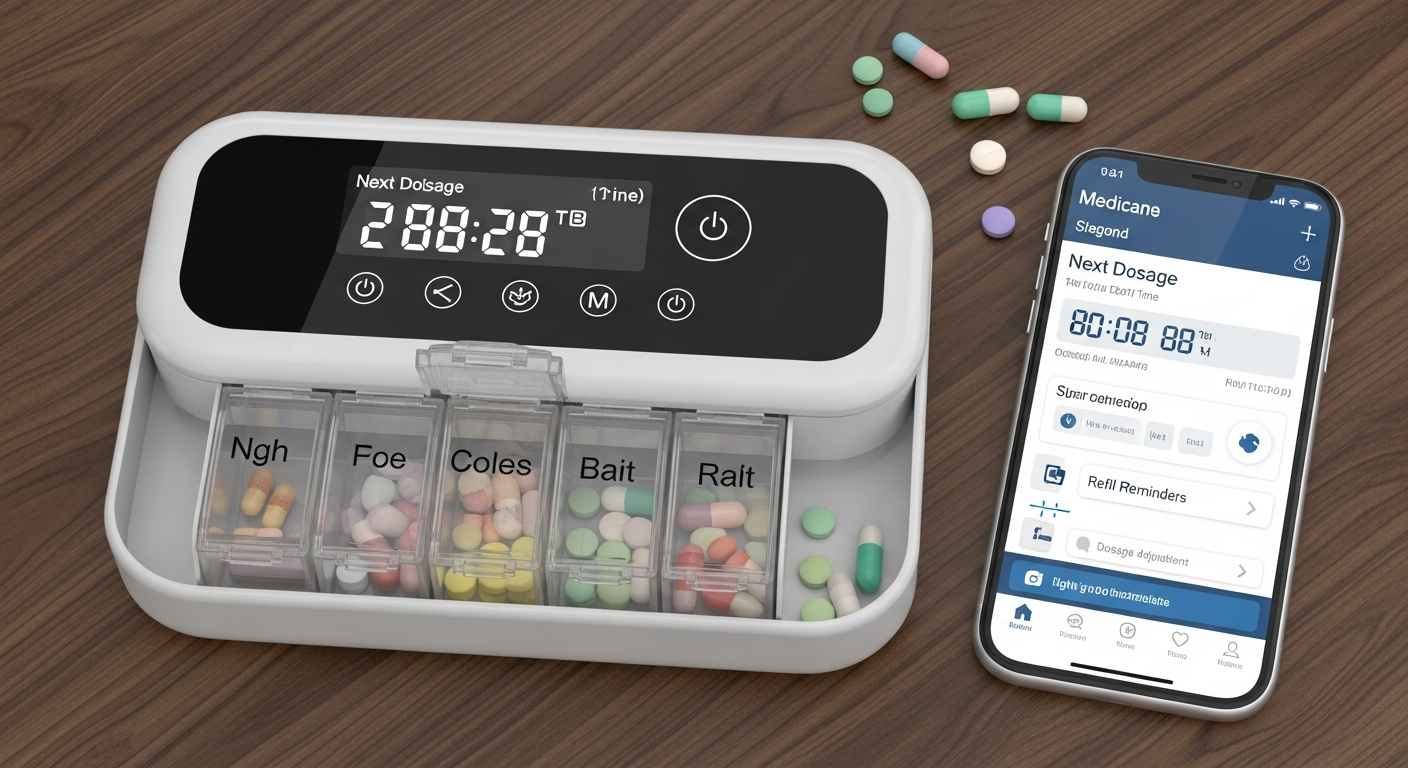
Medication reminder apps are like digital helpers on your smartphone or tablet. They send you alerts, sounds, or messages at specific times to remind you to take your pills. These apps can also keep a list of all your medications and when you need to take them.2. How do smart pill dispensers work?
Smart pill dispensers are physical devices that store your medications. They light up, make a sound, or even rotate to dispense the correct dose at the scheduled time. Some can even connect to the internet to alert family members if a dose is missed.3. Can voice assistants remind me to take medication?
Yes, voice assistants like Amazon Alexa or Google Assistant can be set up to give medication reminders. You simply tell the assistant your medication schedule, and it will speak out loud when it's time for your dose. This is great for those who prefer spoken reminders.Medication Reminder Apps
- On your phone/tablet
- Digital alerts & logs
- Flexible, portable
- Requires smartphone use
Smart Pill Dispensers
- Physical device
- Dispenses pills directly
- Automated, secure storage
- Less portable, upfront cost
Best for tech-savvy, on-the-go
Best for hands-off, fixed routine
4. What features should I look for in a medication app?
Look for apps that offer customizable reminders, so you can set specific times and sounds. It's also helpful if the app can track your medication history, list all your prescriptions, and allow you to add notes. A simple, easy-to-use design is key.5. How do I set up medication schedules?
Most apps and smart dispensers have a straightforward setup process. You typically enter the name of your medication, the dosage, and the times you need to take it. The device or app then saves this schedule and starts sending reminders automatically.6. Can these apps track my adherence?
Many medication apps include a feature to track whether you've taken your medication. After a reminder, you can tap a button to confirm you've taken the dose. This creates a record of your medication history, which can be useful for you and your doctor.7. Are there apps that help with prescription refills?
Yes, some advanced medication apps can remind you when it's time to order refills. They might even connect directly with your pharmacy to streamline the process. This helps ensure you never run out of important medications.Setting Up Medication Reminders
Choose App/Device
Enter Medication Details
Set Times & Dates
Enable Reminders
Confirm Doses