
Working remotely offers amazing flexibility, but it can also blur the lines between your job and your personal life. This guide will help you find that sweet spot, ensuring you thrive both professionally and personally.
1. Why is work-life balance challenging for remote workers?
When your office is also your home, it's easy for work to spill over into personal time. There's no commute to signal the end of the workday, and the computer is always just a few steps away. This constant closeness can make it hard to switch off and truly relax.
2. How can I set clear boundaries between work and home?
Think of boundaries as invisible walls. Set specific start and end times for your workday and stick to them. Communicate these hours to your colleagues and family. Avoid checking work emails or messages outside these times unless it's an emergency.
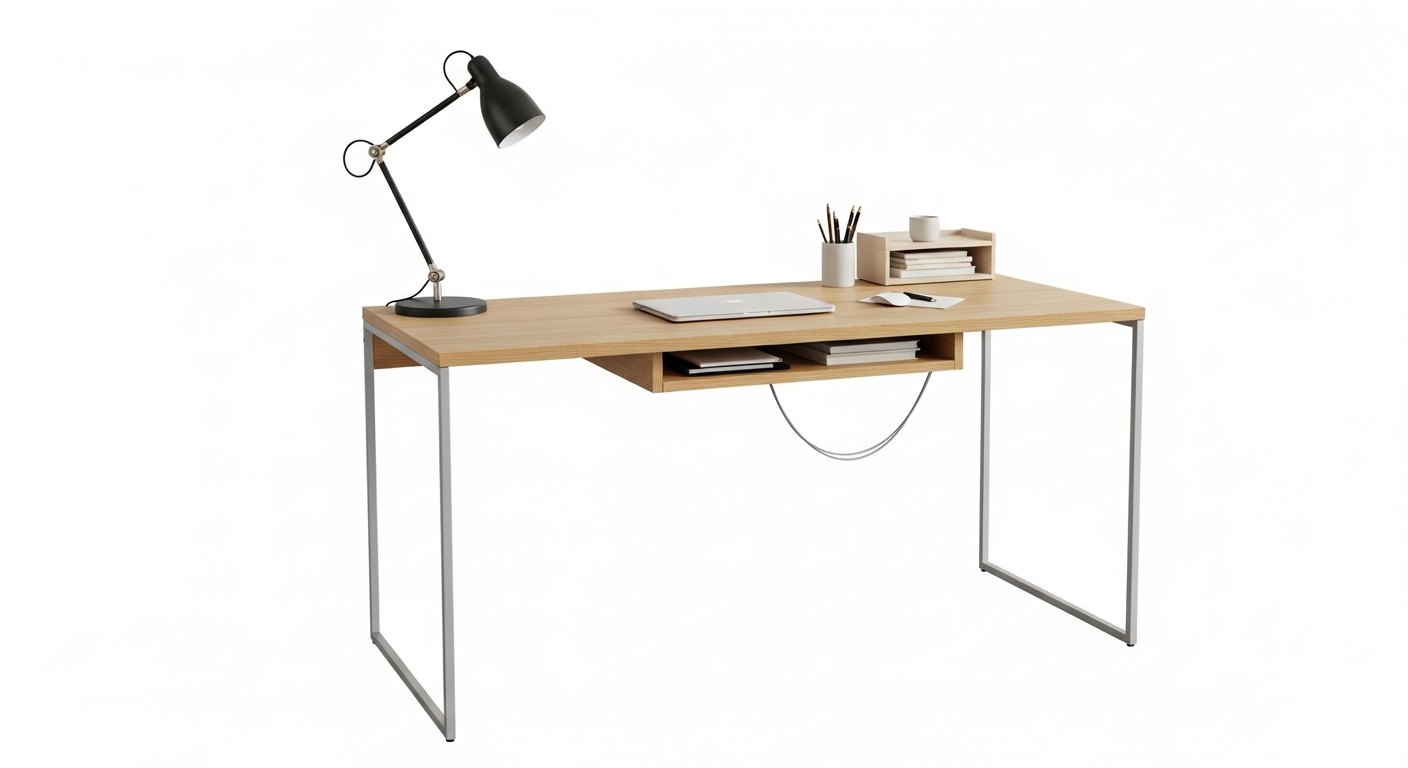
3. Should I have a dedicated workspace?
Yes, absolutely! Having a specific spot just for work, even if it's a small corner, helps your brain associate that area with productivity. It creates a mental separation from the rest of your home, making it easier to "leave" work when you step away.
Dedicated Workspace
- Signals "work mode" to your brain
- Reduces distractions
- Helps maintain focus
- Easier to "leave" work behind
No Dedicated Workspace
- Work can blend into all areas
- Harder to mentally switch off
- More prone to interruptions
- Blurs work-life boundaries
4. How do I "unplug" after work?
Create a ritual to signal the end of your workday. This could be closing your laptop, taking a short walk, changing clothes, or doing a quick tidy of your workspace. This routine helps your mind transition from work tasks to personal time, allowing you to relax.
5. What are healthy habits to adopt?
Prioritize sleep, healthy eating, and regular physical activity. Schedule short breaks throughout your day to stretch, walk around, or grab a snack. These habits boost your energy, improve your mood, and help prevent fatigue, making you more effective overall.
6. How can I avoid burnout?
Burnout happens when you're constantly stressed and overwhelmed. To avoid it, learn to say no to extra tasks when you're overloaded. Take your vacation days, even if it's just a staycation. Regularly check in with yourself to assess your stress levels and adjust your workload.
7. Is it okay to take personal breaks during the day?
Absolutely! Short personal breaks are crucial for productivity and well-being. Step away from your screen to grab a coffee, do a quick chore, or simply look out the window. These micro-breaks refresh your mind and prevent mental fatigue, helping you stay focused longer.
Your Daily Flow: Work & Recharge
8. How can I maintain social connections?
Remote work can feel isolating. Make an effort to connect with colleagues through virtual coffee breaks or team social events. Outside of work, schedule regular meet-ups with friends and family. Join local clubs or groups to find new connections and hobbies.
9. What if my family struggles with my remote work?
It's common for family members to forget you're "at work" when you're home. Clearly explain your work hours and boundaries to them. Use visual cues, like a "Do Not Disturb" sign. Involve them in your end-of-work routine to signal when you're available again.
10. How can I create a consistent end-of-work routine?
A consistent routine helps you transition smoothly. This might include saving all your work, closing programs, tidying your workspace, and then doing something completely non-work related like listening to music or going for a walk. This signals to your brain that the workday is truly over.