
How Can I Maintain Work-Life Balance While Working Remotely?
Working from home offers great flexibility, but it can sometimes blur the lines between your job and personal life. This guide will help you create a healthy balance so you can enjoy both your work and your free time.
1. Why is work-life balance difficult when working from home?
When your office is also your home, it's easy for work tasks to spill into your personal hours. There's no commute to signal the start or end of your day, making it hard to switch off. You might feel tempted to check emails late at night or start early, leading to a constant feeling of being "on."
2. How can I create a clear end to my workday?
Establish a routine to mark the end of your workday. This could be closing your laptop, tidying your workspace, or going for a short walk. This ritual helps your brain understand that work is over and it's time to relax. Stick to this end time as much as possible.
3. Is it okay to take personal breaks during work hours?
Absolutely! Taking short personal breaks, like grabbing a snack, stretching, or making a quick call, can boost your focus and energy. Think of them as mini-recharges. Just make sure these breaks don't disrupt your work or exceed reasonable limits, and communicate with your team if you'll be away for longer periods.
Working Non-Stop
- Higher stress levels
- Quick burnout
- Less focus
- Poor decision-making
Taking Short Breaks
- Reduced stress
- Improved concentration
- More energy
- Better productivity
4. How do I set boundaries with family members at home?
Communicate your work schedule clearly to your family. Explain that during certain hours, you need uninterrupted time for work. Use visual cues like a "Do Not Disturb" sign on your office door. Teach children about your work hours and arrange for childcare or activities during that time if needed.
5. What activities can help me de-stress after work?
Engage in activities that you enjoy and find relaxing. This could be reading a book, exercising, cooking a meal, listening to music, or spending time on a hobby. These activities help you mentally switch gears from work and reduce stress, promoting a healthier mindset.
6. Should I have a dedicated workspace?
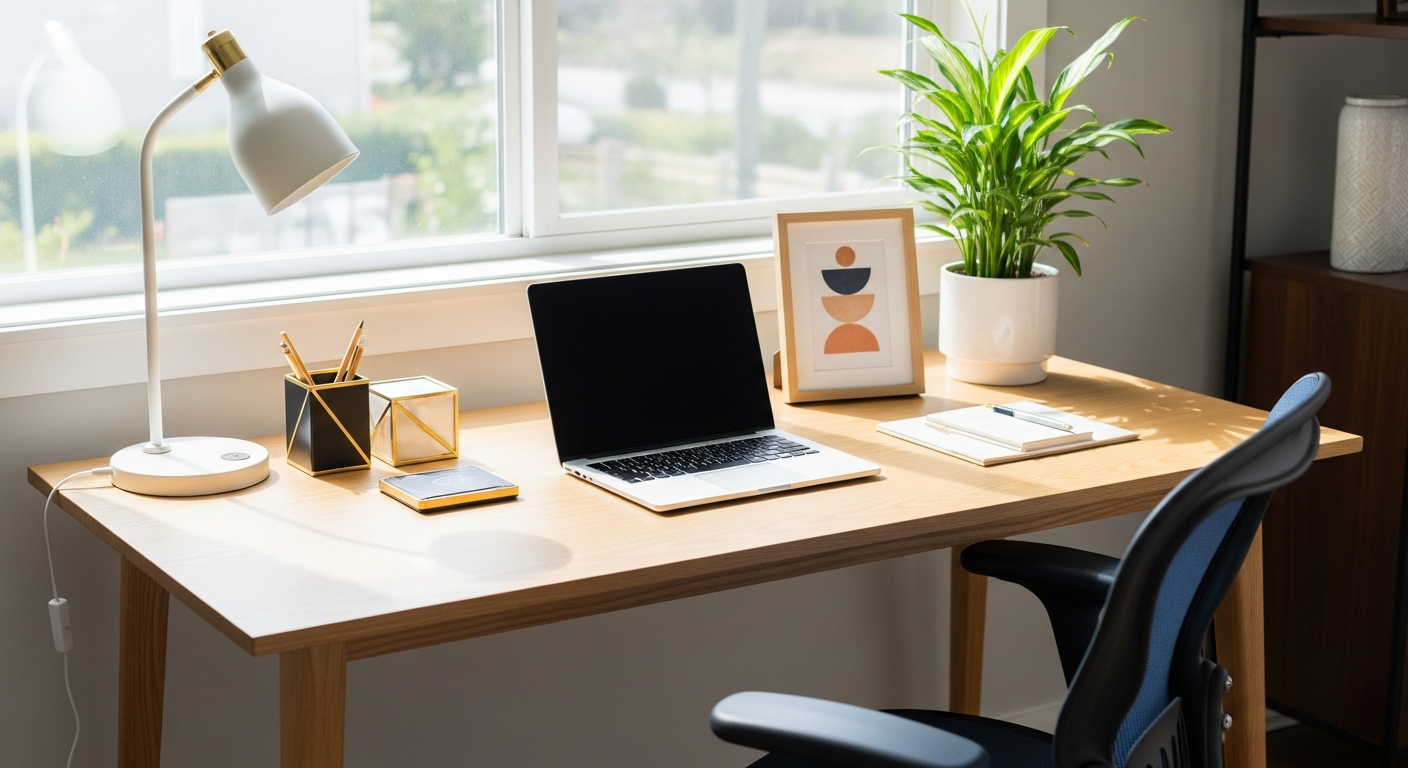
Yes, if possible, having a dedicated workspace is highly recommended. This could be a spare room, a corner of a room, or even just a specific desk. This physical separation helps your brain associate that space with work and other areas of your home with relaxation, reinforcing work-life boundaries.
7. How can I avoid feeling 'always on'?
Set strict working hours and stick to them. Avoid checking work emails or messages outside these hours. Turn off work notifications on your personal devices after your workday ends. It's important to give yourself permission to completely disconnect and recharge.
Ending Your Remote Workday
- Step 1: Finish Tasks
Complete urgent tasks or plan for tomorrow. - Step 2: Close Laptop
Shut down work applications and your computer. - Step 3: Tidy Space
Clear your desk to signal the end. - Step 4: Transition Activity
Go for a walk, listen to music, or change clothes. - Step 5: Personal Time
Engage in hobbies or relax with family.
8. What are the benefits of sticking to a schedule?
A consistent schedule provides structure and predictability, which can reduce stress. It helps you manage your time effectively, ensuring you allocate enough time for both work and personal activities. This prevents work from creeping into your free time and helps you stay productive and balanced.
9. How do I manage expectations with my employer?
Have an open conversation with your manager about your working hours and availability. Clearly communicate your schedule and when you'll be reachable. If you need flexibility, discuss it proactively. Setting these expectations upfront helps prevent misunderstandings and ensures your employer respects your boundaries.
10. What if I feel burnt out from remote work?
If you're feeling burnt out, it's a sign to take action. Re-evaluate your schedule and boundaries. Talk to your manager or HR about your workload or potential solutions. Consider taking a few days off to fully disconnect and recharge. Prioritize self-care and don't hesitate to seek support if needed.