
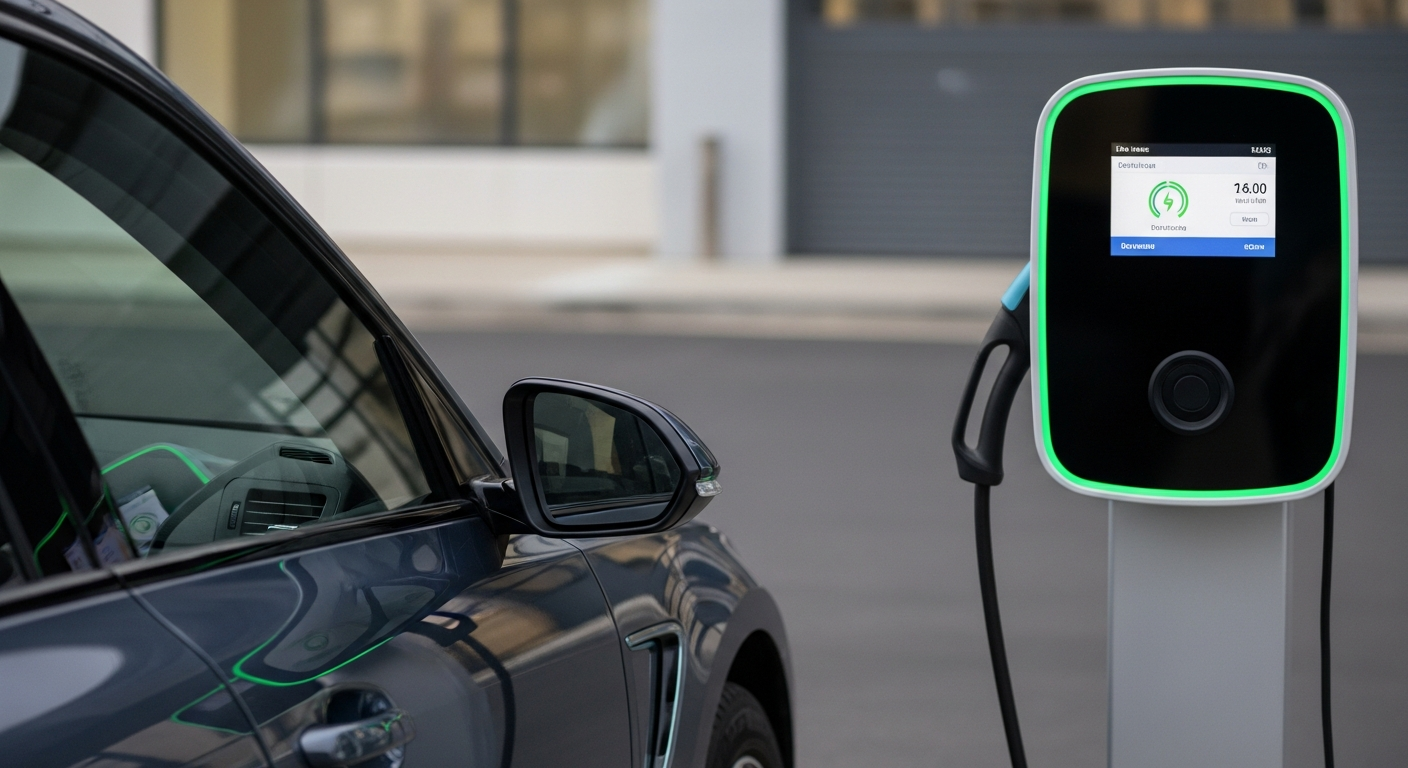
Thinking about an electric car but wondering how you'll keep it powered up? Charging an EV is simpler than you might think, with many convenient options available.
This guide will walk you through everything you need to know about charging your electric vehicle, from home setups to public stations.
1. Where can I charge an electric car?
You can charge an electric car in several places, much like how you'd fuel a gas car. The most common spots are at home using a special charger, at public charging stations found in cities and along highways, or at workplaces and various businesses like supermarkets and hotels that offer charging as a perk.
2. What are the different levels of EV charging?
EV charging is categorized into three main levels: Level 1, Level 2, and DC Fast Charging (often called Level 3). These levels describe how quickly your car charges and the type of power source they use. Higher levels mean faster charging but require more specialized equipment.
3. What is Level 1 charging?
Level 1 charging is the slowest but most basic way to charge your EV. It uses a standard 120-volt outlet, the same kind you plug household appliances into. Your car usually comes with a special cord for this. It's great for overnight charging at home, adding about 2-5 miles of range per hour.
Level 1 Charging
- Speed: Slowest (2-5 miles/hour)
- Power: Standard household outlet (120V)
- Setup: Simple, just plug in
- Cost: Lowest setup cost
- Best for: Overnight charging, topping off
Level 2 Charging
- Speed: Medium (12-80 miles/hour)
- Power: Dedicated charger (240V)
- Setup: Professional installation recommended
- Cost: Moderate setup cost
- Best for: Daily charging, faster home charging
4. What is Level 2 charging?
Level 2 charging is much faster than Level 1 and is the most common type for home installation and public stations. It uses a 240-volt outlet, like those for large appliances such as clothes dryers. A Level 2 charger can add 12-80 miles of range per hour, making it ideal for daily charging at home or topping up during errands.
5. What is DC Fast Charging (Level 3)?
DC Fast Charging, also known as Level 3 charging, is the quickest way to charge an EV. These powerful stations are typically found along major highways and at dedicated public charging hubs. They can add hundreds of miles of range in just 20-60 minutes, perfect for long trips or when you need a quick boost.
6. How long does it take to charge an EV?
Charging time varies greatly depending on the charging level, your car's battery size, and how empty the battery is. Level 1 can take 24 hours or more for a full charge. Level 2 typically takes 4-10 hours. DC Fast Charging can get you to 80% in 20-60 minutes, but it's not usually used for a full charge.
7. Can I charge an EV at home?
Yes, absolutely! Charging at home is one of the biggest benefits of owning an EV. You can use Level 1 by plugging into a standard outlet, or for faster charging, you can have a Level 2 charger professionally installed in your garage or driveway. This allows you to wake up with a "full tank" every morning.
EV Charging Flow
Use your electric car for daily commutes or long trips.
Locate home, public, or workplace charging options.
Connect your car to the charging station.
Electricity flows into your car's battery.
Unplug and enjoy your fully charged EV.
8. What is a charging station network?
A charging station network is a group of public EV charging stations operated by a single company, like Electrify America or ChargePoint. These networks often require you to use their app or a special card to start charging and pay. They provide a reliable way to find and use chargers away from home, often with real-time availability information.
9. Is it expensive to charge an EV?
Generally, charging an EV is cheaper than fueling a gasoline car. Home charging uses your household electricity rates, which are usually the most affordable. Public Level 2 and DC Fast Charging stations will cost more, but still often less per mile than gas. Costs vary by location, network, and time of day.
10. What is "range anxiety"?
"Range anxiety" is the worry that your electric car will run out of power before you reach your destination or a charging station. While it's a common concern for new EV owners, modern EVs have longer ranges, and charging infrastructure is rapidly expanding. Planning your routes and knowing your charging options can easily overcome this worry.