
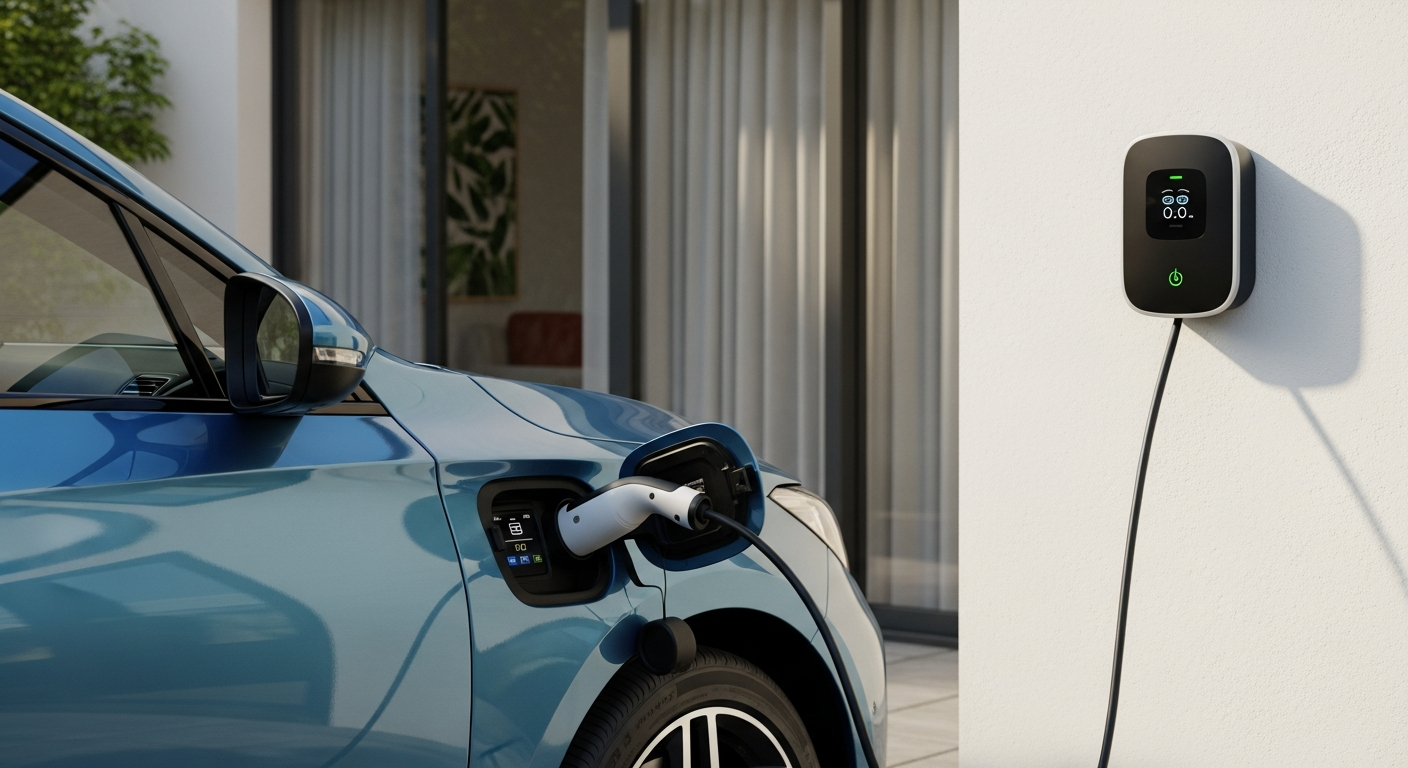
Thinking about an electric car? One common question is how to keep it powered up. This guide will walk you through everything you need to know about charging your electric vehicle (EV) both at home and when you're out and about.
1. What are the different ways to charge an electric car?
There are three main ways to charge an electric car, often called "levels." Level 1 uses a regular home wall outlet, offering the slowest charge. Level 2 uses a special charger, usually installed at home or found publicly, providing a faster charge. Level 3, or DC Fast Charging, is the quickest option, found at public stations.
2. Can I charge my EV using a regular wall outlet at home?
Yes, you can! This is called Level 1 charging. Your EV comes with a charging cable that plugs into a standard 120-volt wall outlet, just like a lamp or phone charger. It's the slowest way to charge, best for topping up overnight or for cars with smaller batteries.
3. What is a Level 2 charger and do I need one?
A Level 2 charger is a special charging unit that plugs into a 240-volt outlet, similar to what a clothes dryer uses. It charges your car much faster than a regular wall outlet. Many EV owners choose to install one at home for quicker, more convenient daily charging, especially if they drive a lot.
Level 1 Charging
- Uses standard home outlet (120V)
- Slowest charge speed
- No special installation needed
- Good for overnight top-ups
Level 2 Charging
- Uses special home outlet (240V)
- Much faster charge speed
- Requires professional installation
- Ideal for daily driving needs
4. How long does it take to charge an EV at home?
Charging time varies greatly depending on your car's battery size and the charging level. Level 1 charging can take 24-60 hours for a full charge. Level 2 charging usually takes 4-12 hours for a full charge, making it practical for overnight charging for most drivers.
5. What are public charging stations?
Public charging stations are places outside your home where you can charge your EV. They are found in parking lots, shopping centers, workplaces, and along highways. These stations offer Level 2 charging and, more commonly, DC Fast Charging, for when you need to power up quickly on the go.
6. What is 'fast charging' or 'DC fast charging'?
DC Fast Charging (also called Level 3 charging) is the quickest way to charge an EV. It uses a very powerful electrical current to add many miles of range in a short amount of time, often 20-30 minutes for an 80% charge. It's designed for long trips or when you need a rapid boost.
7. How do I find public charging stations?
Finding public charging stations is easy! Most electric cars have built-in navigation that shows nearby chargers. There are also many smartphone apps like PlugShare, ChargePoint, or Electrify America that display charger locations, availability, and pricing. You can also check the websites of charging networks.
Finding a Public Charger
8. Do I need different cables for different chargers?
For Level 1 and Level 2 charging, your car usually comes with a cable that works with standard outlets or can be plugged into a Level 2 charger. For DC Fast Charging, the cable is built into the charging station itself, so you just plug that station's cable into your car. There are different connector types, but most modern EVs use standard ones like CCS or NACS.
9. How much does it cost to charge an electric car?
The cost varies. Charging at home is usually cheapest, as you pay your home electricity rate. Public Level 2 chargers might cost a few dollars per hour or per session. DC Fast Charging is typically the most expensive, often priced per minute or per kilowatt-hour (kWh), but still usually less than filling up a gas tank.
10. Can I overcharge my electric car battery?
No, you cannot overcharge your electric car battery. Modern EVs have advanced battery management systems that automatically stop charging once the battery is full. This protects the battery from damage and ensures its longevity. You can safely leave your car plugged in overnight or for extended periods.