
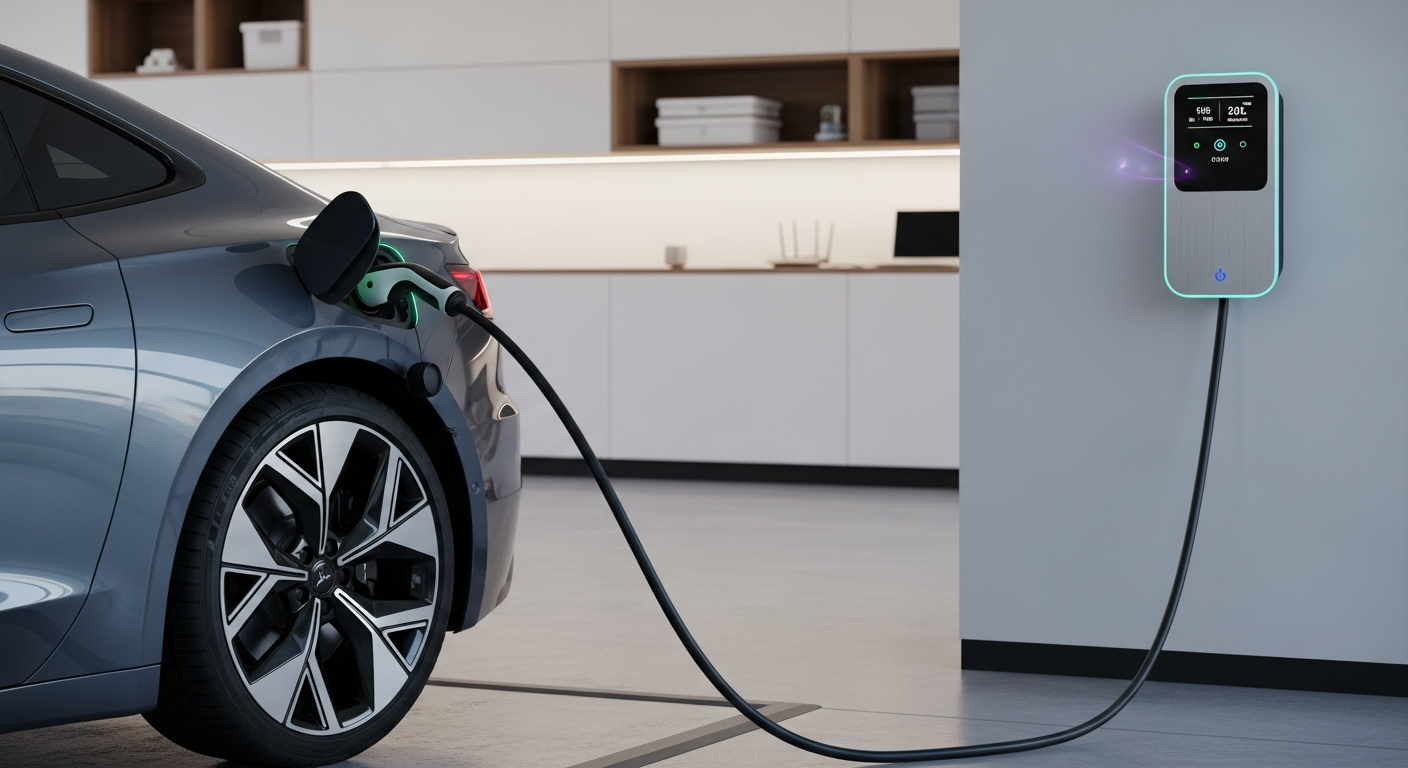
Thinking about an electric car but worried about charging? Don't be! Charging an EV is simpler than you might think, and options are growing every day.
This guide will answer your top questions about powering up your electric vehicle.
1. What are the different types of EV chargers?
There are three main types of chargers for electric vehicles (EVs), each offering different speeds: Level 1, Level 2, and DC Fast Charging. Think of them like different sized hoses for filling a bucket – some are slow drips, others are powerful streams.
The type you use depends on how quickly you need to charge and where you are charging your car.
2. How long does it take to charge an electric car?
Charging time varies a lot based on the charger type, your car's battery size, and how empty the battery is. A full charge can take anywhere from 30 minutes to over 24 hours. Most people don't wait for a full charge, but rather top up as needed.
For example, a Level 1 charger might add 3-5 miles of range per hour, while DC Fast Charging can add 100-200 miles in just 20-30 minutes.
3. Can I charge an EV at home?
Yes, absolutely! Most EV owners do the majority of their charging right at home, often overnight. It's like charging your phone – you plug it in when you get home and wake up to a full battery.
You can use a standard wall outlet (Level 1) or install a faster charging unit (Level 2) for more convenience.
Home Charging
- Convenient & always available
- Often cheaper electricity rates
- Charge overnight while you sleep
- No need to search for stations
Public Charging
- Faster charging options (DC Fast)
- Essential for long trips
- Available at many destinations
- Useful when home charging isn't an option
4. What is a Level 1 charger?
A Level 1 charger is the simplest and slowest way to charge an EV. It uses a standard 120-volt wall outlet, just like plugging in a lamp. Your car usually comes with a Level 1 charging cord.
It adds about 3-5 miles of range per hour, making it perfect for overnight charging if you don't drive long distances daily. No special installation is needed.
5. What is a Level 2 charger?
A Level 2 charger provides much faster home charging. It uses a 240-volt outlet, similar to what a clothes dryer uses. These can be installed in your garage by an electrician.
Level 2 chargers add about 20-30 miles of range per hour, meaning a full charge can take 4-10 hours. They are also common at public locations like workplaces and shopping centers.
6. What is DC fast charging?
DC Fast Charging (also known as Level 3 or Rapid Charging) is the quickest way to charge an EV. It uses powerful direct current (DC) electricity to rapidly fill your battery.
These chargers are typically found along highways and at major travel stops. They can add 100-200 miles of range in just 20-30 minutes, making them ideal for long road trips.
7. How do I find public charging stations?
Finding public charging stations is easy! Many electric cars have built-in navigation that shows available chargers. There are also popular smartphone apps like PlugShare, ChargePoint, and Electrify America that map out stations, show their availability, and even let you start a charge.
Websites and car manufacturer apps also provide this information, helping you plan your routes and stops.
Finding a Public EV Charger
Use an App/Car Nav
Open a charging app (e.g., PlugShare) or your car's navigation system.
Filter & Locate
Filter by charger type (e.g., DC Fast) and see stations near you.
Check Availability
See if chargers are available and working in real-time.
Navigate & Plug In
Drive to the station, park, and connect your car.
Start Charge & Pay
Use the app, RFID card, or credit card to begin and pay.
8. What payment methods are used at public chargers?
Payment methods vary by charging network. Many require you to use their specific app or an RFID card linked to your account. Some newer stations accept standard credit cards directly at the charger, similar to a gas pump.
It's a good idea to download a few popular charging apps and set up accounts before your first long trip.
9. Is it safe to charge an EV in the rain?
Yes, it is completely safe to charge an EV in the rain or other wet conditions. Electric vehicle charging systems are designed with multiple safety features to protect against water and electrical hazards.
The charging ports and connectors are sealed and insulated, so there's no risk of electric shock or damage to your car from rain.
10. What is "range anxiety" and how does charging help?
"Range anxiety" is the fear that your electric car will run out of battery power before you reach your destination or a charging station. It's a common concern for new EV owners.
Reliable home charging, widespread public Level 2 chargers, and growing DC Fast Charging networks help overcome range anxiety. Planning your trips and knowing where chargers are available ensures you always have enough power.