
Thinking about an electric car but wondering how you'll keep it powered up? Charging an EV is simpler than you might think, whether you're at home or out and about.
This guide will answer your top questions about charging your electric vehicle, making sure you feel confident hitting the road.
1. What are the different levels of EV charging?
EV charging comes in three main "levels," which describe how fast your car charges. Think of them like different water hose sizes: Level 1 is a garden hose, Level 2 is a standard fire hose, and Level 3 (DC Fast Charging) is a super powerful industrial hose.
Each level uses different equipment and provides power at different speeds, affecting how long it takes to fully charge your car.
2. Can I charge an EV using a regular wall outlet?
Yes, you can! This is called Level 1 charging. Your EV usually comes with a special cable that plugs into a standard 120-volt wall outlet, just like a lamp or phone charger. It's the slowest way to charge, adding about 2-5 miles of range per hour.
Level 1 is great for overnight charging if you don't drive much, or for topping up. It's convenient because you don't need any special equipment installed.
3. What is Level 2 charging?
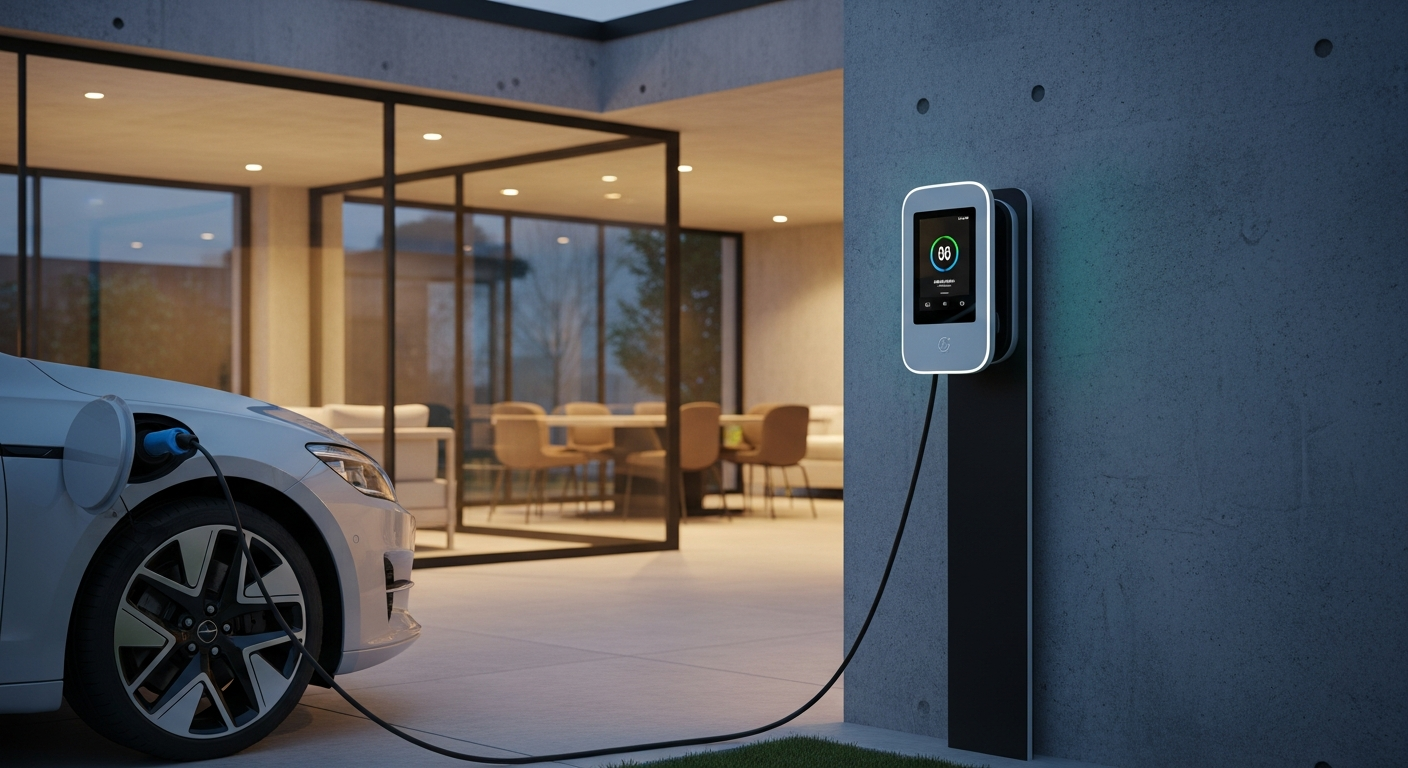
Level 2 charging is the most common way to charge an EV at home and at many public stations. It uses a 240-volt outlet, similar to what a clothes dryer or electric stove uses. You'll need a special charging unit (often called an EVSE) installed by an electrician.
Level 2 charging adds about 12-80 miles of range per hour, making it much faster than Level 1. It's perfect for fully charging your car overnight or getting a significant boost during a few hours.
Level 1 Charging
- Power Source: Standard 120V wall outlet
- Speed: Slow (2-5 miles of range per hour)
- Equipment: Portable cable (comes with car)
- Installation: None needed, just plug in
- Cost: Very low (no extra equipment)
Level 2 Charging
- Power Source: 240V dedicated circuit
- Speed: Medium (12-80 miles of range per hour)
- Equipment: Wall-mounted charging unit (EVSE)
- Installation: Professional electrician often needed
- Cost: Moderate (unit + installation)
4. How long does it take to charge an EV at home?
The time it takes depends on your car's battery size, how empty it is, and your charging level. With Level 1, a full charge can take 24-60 hours. With Level 2, it typically takes 4-10 hours to fully charge an empty battery.
Most EV owners plug in overnight, so their car is full each morning. You rarely charge from completely empty to completely full, just like you don't always fill your gas tank from bone dry.
5. What is DC Fast Charging (Level 3)?
DC Fast Charging, also known as Level 3 or "rapid charging," is the fastest way to charge an EV. These powerful stations are usually found at public locations like highways, rest stops, and shopping centers. They deliver direct current (DC) power directly to the car's battery.
DC Fast Chargers can add 100-200+ miles of range in just 20-30 minutes. Not all EVs can use DC Fast Charging, and the speed can vary greatly depending on the car and the charger.
6. How do I find public charging stations?
Finding public charging stations is easy! Many EV models have built-in navigation that shows available chargers. There are also popular smartphone apps like PlugShare, ChargePoint, and Electrify America that map out stations, show their availability, and even let you pay.
As EV adoption grows, more and more charging stations are popping up in cities, suburbs, and along major travel routes, making it easier to charge on the go.
7. What is "range anxiety" and how can I overcome it?
"Range anxiety" is the worry that your EV will run out of power before you reach your destination or a charging station. It's a common concern for new EV owners, but it's usually unfounded with a little planning.
You can overcome range anxiety by understanding your car's real-world range, planning longer trips using charging apps, and remembering that most daily driving is well within an EV's capabilities. Many people find they rarely use public chargers, relying mostly on home charging.
Overcoming Range Anxiety
8. Are all charging cables the same?
No, not all charging cables are the same, especially when it comes to the connector that plugs into your car. In North America, most EVs use a "J1772" connector for Level 1 and Level 2 charging. Tesla vehicles have their own connector, but often come with an adapter for J1772.
For DC Fast Charging, there are different connector types like CCS (most common), CHAdeMO (older Japanese cars), and Tesla's Supercharger connector. Public stations usually have multiple options.
9. What is smart charging for EVs?
Smart charging refers to technology that allows your EV or charging unit to communicate with the electricity grid. This lets you schedule charging during off-peak hours when electricity is cheaper and demand on the grid is lower. Some utilities even offer incentives for smart charging.
It helps save money, reduces strain on the power grid, and can even integrate with renewable energy sources. Many home Level 2 chargers and EVs have smart charging features built-in.
10. Is it safe to charge an EV in the rain?
Yes, it is perfectly safe to charge an EV in the rain, snow, or other wet conditions. EV charging equipment is designed and rigorously tested to be weatherproof and waterproof. The connectors and charging ports are sealed to prevent water from causing any issues.
Think of it like filling your gas tank in the rain – it's a routine operation. You can confidently plug in your EV outdoors, no matter the weather.