
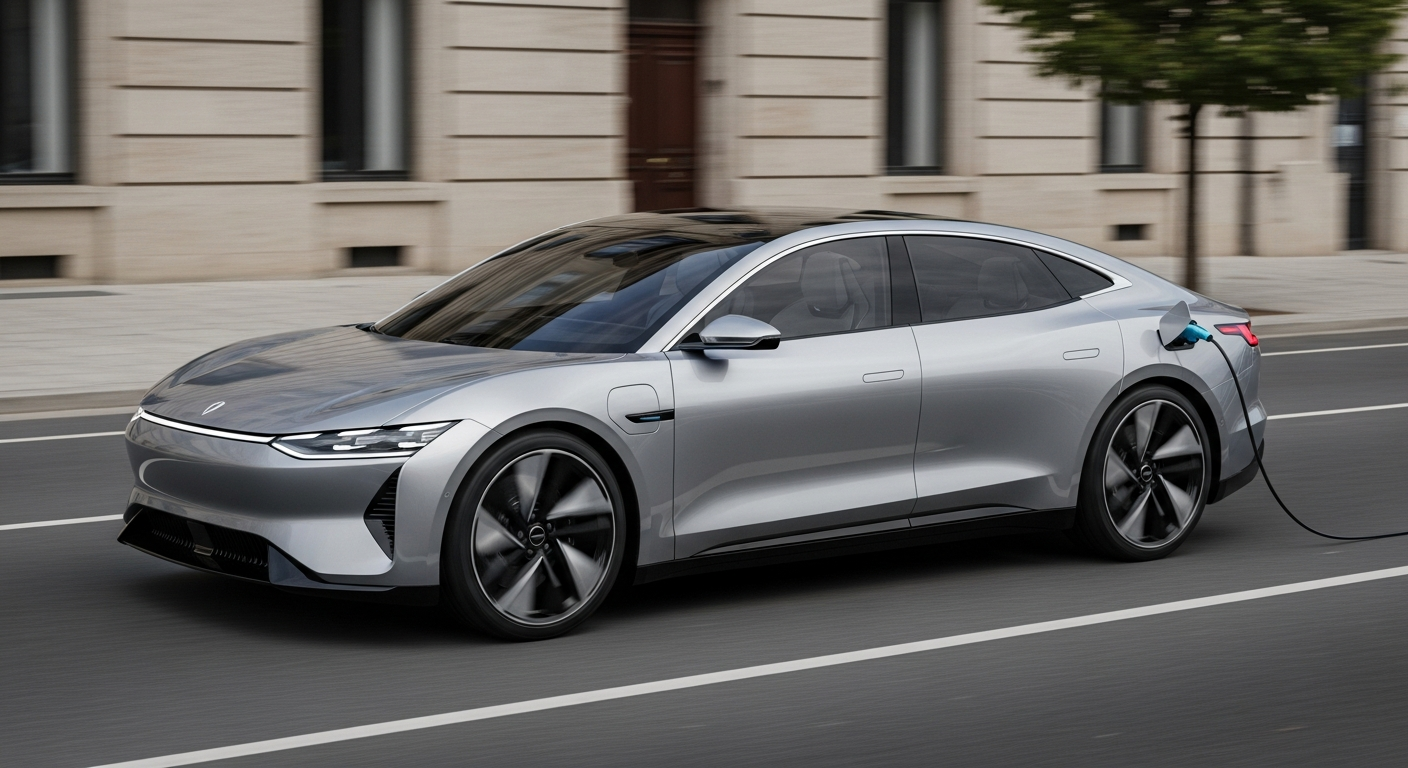
Thinking about getting an electric car but wondering how you'll keep it powered up? Charging an EV is simpler than you might think, whether you're at home or out and about.
1. What is EV charging?
EV charging is simply plugging your electric car into an electricity source to refill its battery, much like charging your phone. Instead of gasoline, electric cars use batteries that store energy to power their motors. This process converts electricity from the grid into a form your car can use.
2. What are the different types of EV chargers?
There are three main types of EV chargers, often called "levels." These levels refer to how fast they charge your car. They are Level 1 (slowest), Level 2 (medium speed), and DC Fast Charging (fastest). Each level uses different amounts of power to deliver electricity to your car's battery.
3. Can I charge an EV at home?
Yes, absolutely! Most electric car owners do the majority of their charging right at home, usually overnight. Charging at home is convenient and often the most affordable option. You can use either a standard wall outlet (Level 1) or install a dedicated charging station (Level 2).
Level 1 Charging
- Uses standard home outlet (120V)
- Slowest speed (2-5 miles of range per hour)
- No special installation needed
- Great for overnight charging or plug-in hybrids
Level 2 Charging
- Uses dedicated home charger (240V)
- Faster speed (12-60 miles of range per hour)
- Requires professional installation
- Ideal for daily EV charging at home
4. What is Level 1 charging?
Level 1 charging uses a standard 120-volt wall outlet, just like the ones you use for your toaster or lamp. Your car typically comes with a portable charger that plugs into this outlet. It's the slowest charging method, adding about 2 to 5 miles of range per hour, making it best for overnight charging or for plug-in hybrid vehicles.
5. What is Level 2 charging?
Level 2 charging is much faster than Level 1. It uses a 240-volt outlet, similar to what a clothes dryer or electric stove uses. You'll need to install a dedicated Level 2 charging station, often called an EVSE (Electric Vehicle Supply Equipment), at your home. This can add 12 to 60 miles of range per hour, fully charging most EVs overnight.
6. What is DC fast charging?
DC fast charging (also known as Level 3 charging) is the quickest way to charge an EV. It's found at public charging stations, not typically in homes. These powerful chargers can add 100 to 200+ miles of range in just 20-30 minutes. It's perfect for long road trips or when you need a quick boost on the go.
7. How long does it take to charge an EV?
Charging time varies greatly depending on the charger type, your car's battery size, and how empty the battery is. Level 1 can take 24-72 hours for a full charge. Level 2 typically charges an EV from empty to full in 4-10 hours. DC fast charging can get you to 80% in 20-60 minutes, but it slows down after 80% to protect the battery.
EV Charging Flow
8. Where can I find public charging stations?
Public charging stations are becoming increasingly common. You can find them at workplaces, shopping centers, hotels, parking garages, and dedicated charging hubs. Many apps and your car's navigation system can help you locate nearby stations. Popular networks include Electrify America, ChargePoint, EVgo, and Tesla Superchargers.
9. Is EV charging expensive?
Generally, charging an EV is cheaper than fueling a gasoline car. Home charging costs depend on your electricity rate, but it's usually the most affordable. Public Level 2 stations might charge by the hour or per kWh, while DC fast charging is typically the most expensive, but still often less than gas for the same range.
10. Can I overcharge my EV battery?
No, you cannot overcharge your EV battery. Electric vehicles have sophisticated battery management systems (BMS) that prevent overcharging. Once the battery reaches its full capacity, the system automatically stops the charging process. You can safely leave your car plugged in overnight without worry.