
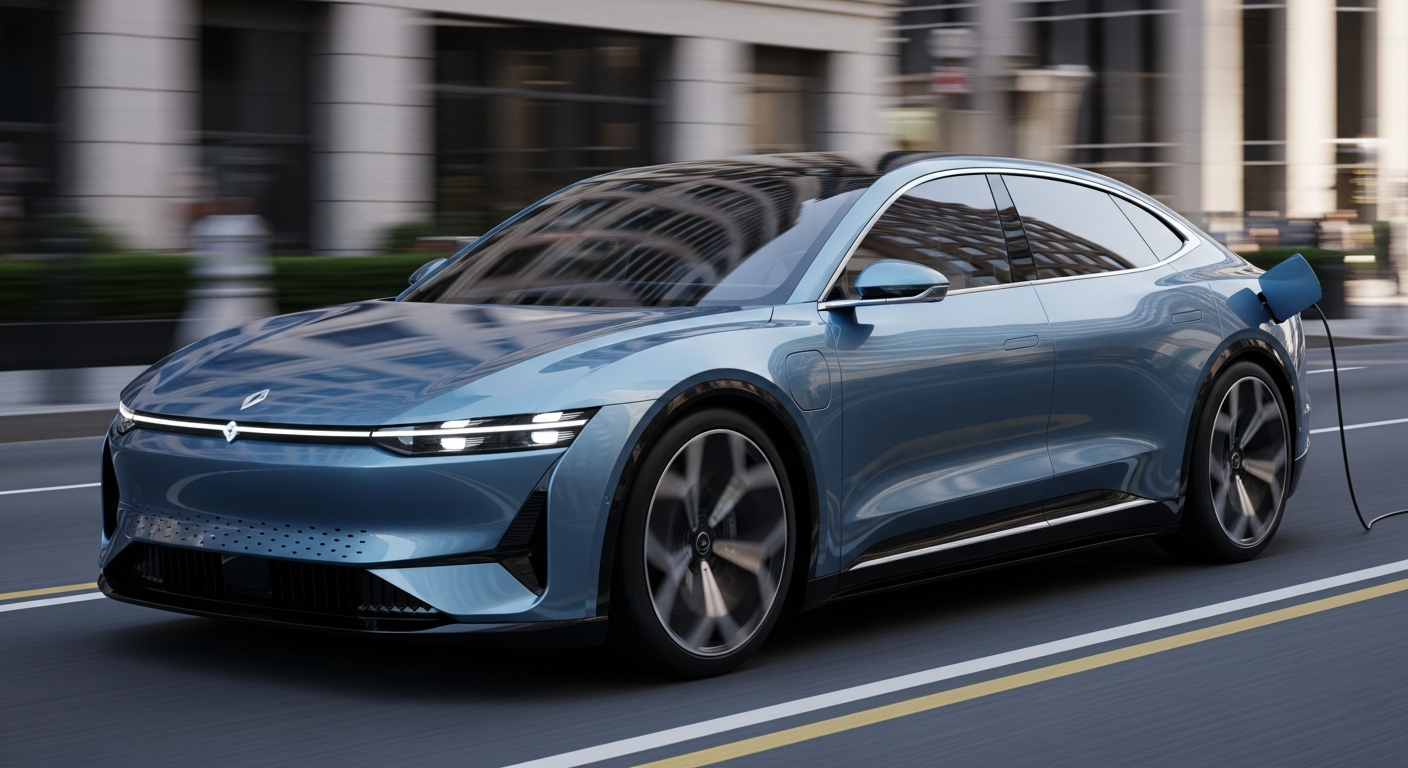
Welcome to the exciting world of electric vehicles (EVs)! Charging an EV might seem complicated at first, but it's actually quite simple once you understand the basics. This guide will walk you through everything you need to know about keeping your electric car powered up, both at home and when you're out and about.
1. What are the different levels of EV charging?
EV charging comes in three main "levels," which describe how fast your car charges. Think of them like different water hose sizes: a small garden hose (Level 1), a standard garden hose (Level 2), and a fire hose (DC Fast Charging). Each level uses different equipment and provides power at different speeds.
2. Can I charge an EV using a regular wall outlet?
Yes, you can! This is called Level 1 charging. It uses a standard 120-volt wall outlet, just like the ones you plug lamps into. While it's the slowest charging option, it's perfect for topping up your battery overnight, especially if you don't drive many miles each day. Most EVs come with the necessary cable for Level 1 charging.
3. What is a Level 2 charger?
A Level 2 charger is a faster home charging option, and it's also common at public stations. It uses a 240-volt outlet, similar to what a clothes dryer or electric stove uses. This level charges your car significantly faster than Level 1, often adding 20-30 miles of range per hour. Many EV owners install a Level 2 charger at home for convenience.
Level 1 Charging
- Uses standard wall outlet (120V)
- Slowest speed (2-5 miles per hour)
- No special installation needed
- Good for overnight top-ups
Level 2 Charging
- Uses dedicated outlet (240V)
- Faster speed (20-30 miles per hour)
- Requires professional installation
- Best for daily home charging
4. How long does it take to charge an EV at home?
Charging time varies greatly depending on your car's battery size, how empty it is, and the charging level you use. With Level 1, a full charge could take 24-40 hours. With Level 2, it typically takes 4-10 hours to fully charge an empty battery. Most people just plug in overnight and wake up to a full charge.
5. Where can I find public charging stations?
Public charging stations are becoming very common! You can find them at workplaces, shopping centers, restaurants, hotels, and dedicated charging hubs. Many apps and your car's navigation system can help you locate nearby stations. Popular apps include ChargePoint, Electrify America, and PlugShare.
6. What is DC fast charging?
DC fast charging (also known as Level 3 or Supercharging for Tesla) is the quickest way to charge your EV. These powerful stations are usually found along highways or at major travel stops. They can add hundreds of miles of range in just 20-60 minutes, making them ideal for long road trips when you need a quick boost.
7. Is it safe to charge an EV in the rain?
Absolutely, it's safe! EV charging systems are designed to be weatherproof and are rigorously tested to ensure safety in all conditions, including rain, snow, and extreme temperatures. The charging connectors are sealed to prevent water from entering, and built-in safety features protect against electrical hazards.
Public Charging Flow
8. How much does it cost to charge an EV?
The cost varies. Home charging is usually cheapest, as you pay your electricity provider's residential rate. Public Level 2 stations might charge by the hour or by the amount of energy (kilowatt-hours) used. DC fast charging is generally the most expensive but still often cheaper than gasoline for the same distance. Many apps show pricing upfront.
9. What is a charging adapter?
A charging adapter is a small device that allows your EV to connect to different types of charging stations. For example, many non-Tesla EVs use a J1772 connector, but Tesla vehicles use their own proprietary connector. An adapter can let a Tesla charge at a J1772 station, or vice-versa, expanding your charging options.
10. Can I overcharge my electric car?
No, you cannot overcharge your electric car. EVs have sophisticated battery management systems that automatically stop charging once the battery is full. This protects the battery from damage and ensures its longevity. You can safely leave your EV plugged in overnight or for extended periods without worry.