
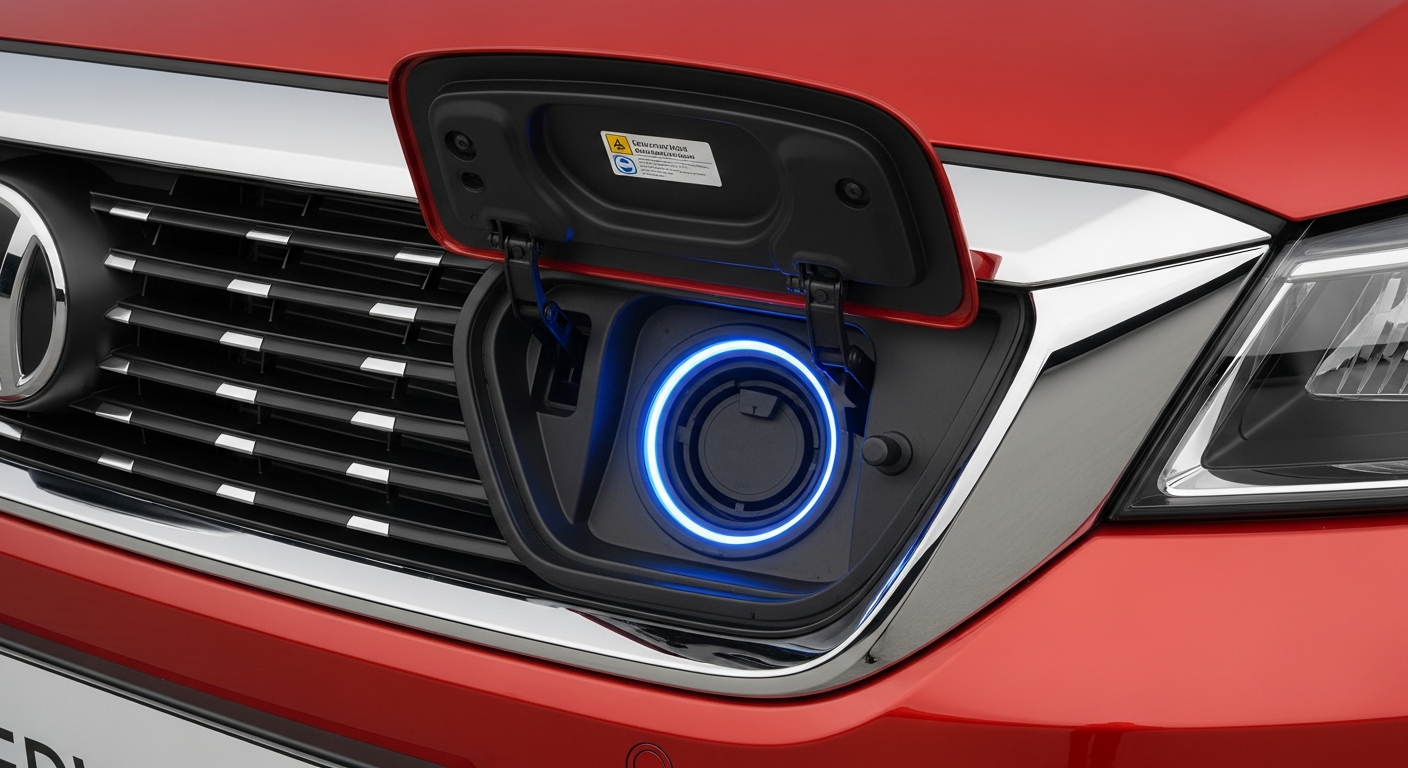
Thinking about buying your first electric car (EV)? That's exciting! This guide will help you understand what's important so you can make a smart choice.
1. What is my daily driving range need?
Range is how far an EV can go on a full charge. Think about your typical daily trips, like work, school, and errands. Most modern EVs offer plenty of range for daily driving, often 200-300 miles or more. If you rarely drive long distances, you might not need the highest range model.
2. What is my budget for an EV?
EVs come in many price ranges, just like gasoline cars. Remember to consider not just the purchase price, but also potential savings on fuel (electricity is usually cheaper than gas) and maintenance (EVs have fewer moving parts). Factor in insurance and any home charging installation costs too.
3. Should I buy a new or used EV?
New EVs offer the latest tech and full warranties. Used EVs can be a great value, often with lower prices and still good range. When buying used, check the battery health, as batteries naturally degrade a little over time. Many used EVs still have plenty of life left.
New EV
- Latest technology & features
- Full manufacturer warranty
- Access to all incentives
- Higher initial cost
Used EV
- Lower purchase price
- Proven reliability
- Potentially lower insurance
- Battery degradation check needed
4. What are the best EV models for beginners?
For first-time EV buyers, popular choices include models like the Tesla Model 3, Hyundai IONIQ 5, Kia EV6, Ford Mustang Mach-E, and Chevrolet Bolt EV. These often offer good range, user-friendly tech, and a strong charging network. Researching these models is a good starting point.
5. How do I compare different EV models?
Look at range, charging speed, interior space, safety features, and price. Read reviews from trusted automotive sites. Consider your lifestyle: Do you need a lot of cargo space? Is advanced driver assistance important to you? Test driving is also crucial to feel the difference.
6. What charging options do I have at home?
Most EV owners charge at home. A standard wall outlet (Level 1) is slow but works for overnight top-ups. A dedicated 240-volt outlet (Level 2) is much faster and often installed by an electrician, providing a full charge overnight. This is usually the most convenient option.
7. How do I find public charging in my area?
Many apps and car navigation systems show public charging stations. Popular networks include Electrify America, EVgo, and Tesla Superchargers. There are two main types: Level 2 (slower, for errands) and DC Fast Charging (very fast, for long trips). Plan your routes to include charging stops.
Finding Public EV Chargers
- Download a Charging AppApps like PlugShare, ChargePoint, Electrify America.
- Enter Your Location/DestinationSee available chargers nearby or along your route.
- Filter by Charger TypeLook for Level 2 (slower) or DC Fast Chargers (faster).
- Check Availability & CostSome apps show real-time status and pricing.
- Navigate & Charge!Follow directions to the station and plug in.
8. What government incentives are available?
Governments often offer incentives to encourage EV adoption. These can include federal tax credits, state rebates, or local grants for buying an EV or installing home charging. These programs can significantly reduce the overall cost. Check official government websites for the latest information in your area.
9. Should I test drive an EV?
Absolutely! Test driving is essential. EVs drive differently than gasoline cars – they're often quieter, accelerate smoothly, and have instant power. Experience the regenerative braking, which helps recharge the battery when you slow down. A test drive helps you understand if an EV fits your driving style.
10. What questions should I ask the dealer?
Ask about the warranty for the battery and other EV components. Inquire about charging options, including recommended home charger installers. Understand the maintenance schedule and what's covered. Also, ask about any available local or manufacturer-specific incentives or charging network subscriptions.