
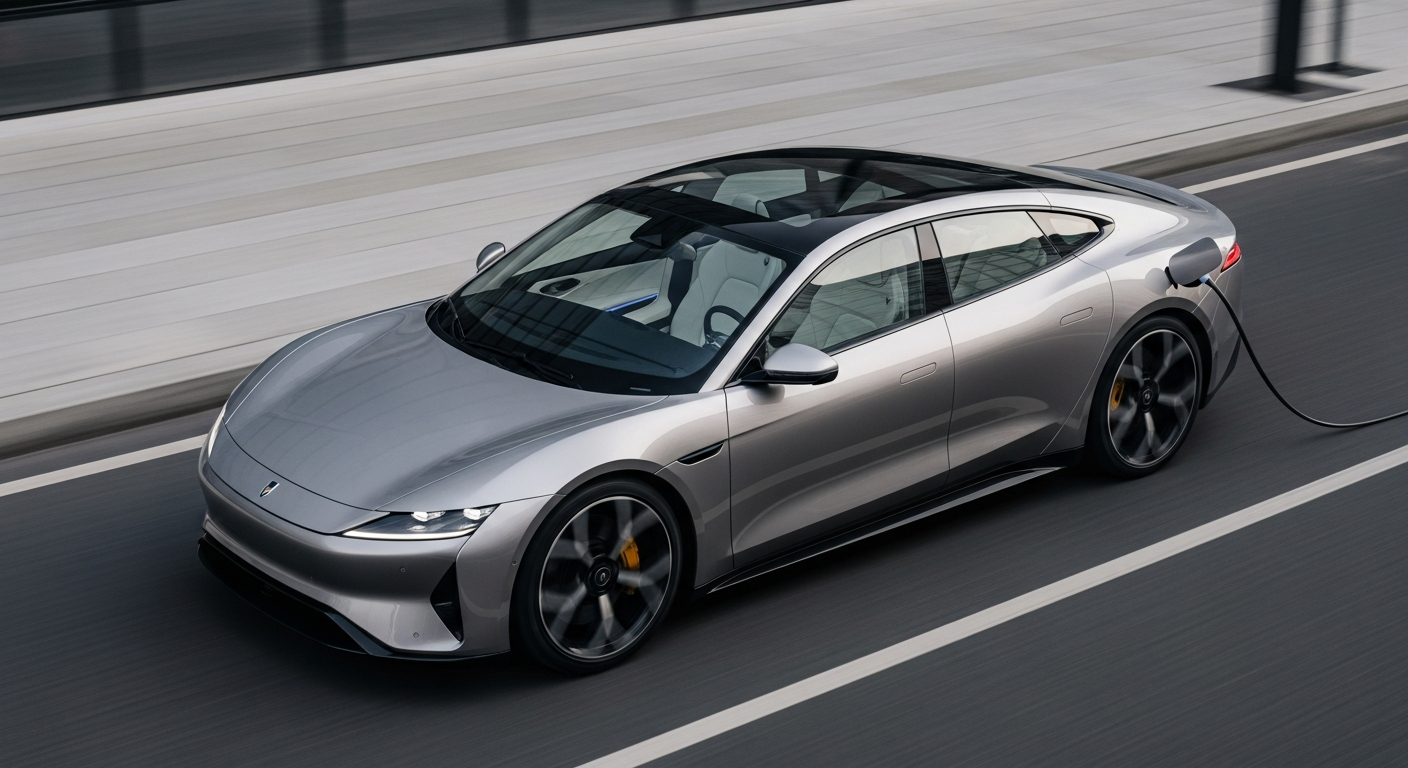
Thinking about buying your first electric vehicle (EV) in 2026? This guide will help you understand the key things to look for, making your journey into electric driving smooth and informed.
1. What should I consider before buying my first EV?
Before diving in, think about your daily driving habits, where you'll charge, and your budget. EVs often have lower running costs due to cheaper "fuel" and less maintenance, but the initial purchase price can sometimes be higher. Consider how an EV fits into your lifestyle, including your commute and any regular long trips.
2. How much range do I really need in an electric car?
Most people drive less than 30 miles each day. For everyday use and occasional longer journeys, an EV with 200-250 miles of range is usually more than enough. Don't feel pressured to buy a car with extreme range if you won't use it, as it often adds to the cost.
3. What are the different types of EV body styles?
Electric vehicles come in all the popular shapes you're used to! You can find EV sedans, SUVs, hatchbacks, and even pickup trucks. Choose a body style that best suits your needs for passengers, cargo space, and personal preference, just as you would with a gasoline-powered car.
City Driving EV
- Smaller battery
- Lower range (150-200 miles)
- Easier to park
- Often more affordable
Road Trip EV
- Larger battery
- Higher range (250+ miles)
- More cargo & passenger space
- Faster charging capabilities
4. Should I buy a new or used electric car?
New EVs offer the latest technology, full factory warranties, and eligibility for all incentives. Used EVs can be significantly more affordable and still have excellent battery life, often with remaining warranty coverage. Your budget and how long you plan to keep the car will help you decide.
5. What charging infrastructure do I need at home?
A standard 120V wall outlet (Level 1 charging) works for slow overnight charging, adding about 3-5 miles of range per hour. For faster charging, a dedicated 240V Level 2 charger is recommended. An electrician can install this, providing about 25-35 miles of range per hour, perfect for daily top-ups.
6. How important is battery warranty when buying an EV?
Battery warranty is extremely important. The battery is the most expensive component of an EV. Most manufacturers offer a warranty of 8-10 years or 100,000-150,000 miles, covering any significant loss in battery capacity. This provides peace of mind and protects your investment for years.
7. What government incentives or tax credits are available?
Many governments offer financial incentives to encourage EV adoption. These can include federal tax credits, state rebates, or local grants that significantly reduce the purchase price. In 2026, eligibility rules can vary, so check federal, state, and local programs in your area before buying.
Why Go Electric? Key Benefits
8. How do I test drive an electric car effectively?
During your test drive, treat it like your own car. Test acceleration, braking, and parking in different scenarios. Pay attention to the quietness of the ride and how the regenerative braking feels (it recharges the battery when you slow down). Try out different driving modes if the car offers them.
9. What are common myths about buying an EV?
Common myths include "EVs run out of power easily" (range anxiety is often overblown for daily driving) and "they're too expensive" (total ownership costs can be lower over time). Another myth is that charging infrastructure is scarce, but public charging networks are rapidly expanding worldwide.
10. How do I choose the right EV for my lifestyle?
To find the perfect EV, match its range to your typical daily driving and occasional long trips. Consider the vehicle's size for your passenger and cargo needs. Evaluate home and public charging options that fit your routine. Finally, test drive several models to experience different features and find your ideal electric match.