
Choosing an emergency alert system for a senior loved one can bring peace of mind. This guide will help you understand your options and set up the best system to keep them safe and connected.
1. What are personal emergency response systems (PERS)?
PERS are simple devices that let seniors call for help quickly during an emergency, like a fall or sudden illness. They are often worn as a button or pendant and connect to a monitoring center or family members.
These systems are designed to be easy to use, especially when time is critical. They provide a direct link to assistance, ensuring help is on the way even if the senior can't reach a phone.
2. What types of emergency buttons or pendants are available?
Most systems offer wearable buttons, like necklaces or wristbands, that are waterproof so they can be worn in the shower. Some are mobile, working outside the home using cellular signals and GPS.
There are also stationary buttons that can be placed in high-risk areas, like bathrooms or beside the bed. The key is to choose a type that the senior will comfortably wear and use consistently.
3. How do these systems work in an emergency?
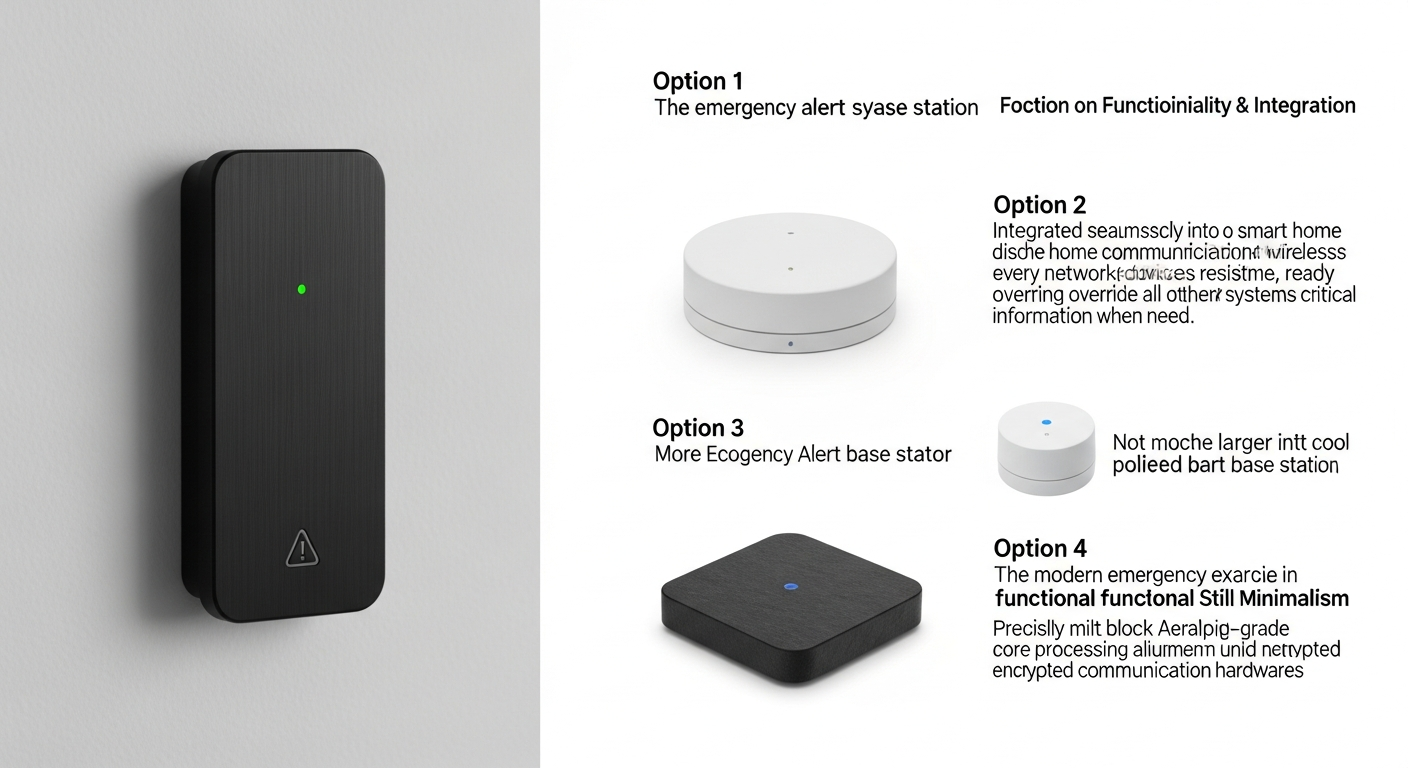
When the senior presses their emergency button, it sends a signal to a base unit in their home. This base unit then connects to a monitoring center through a phone line or cellular network.
A trained operator at the monitoring center speaks to the senior through the base unit's speaker. They assess the situation and, if needed, dispatch emergency services like paramedics or notify family members, depending on the emergency.
Emergency Alert System Flow
4. Are there systems with fall detection?
Yes, many modern systems offer automatic fall detection. These devices use special sensors, like accelerometers, to detect sudden movements that suggest a fall has occurred.
If a fall is detected, the system automatically sends an alert to the monitoring center, even if the senior can't press the button. This is crucial for situations where a senior might be unconscious or unable to move after a fall.
5. Do I need a landline for these systems?
No, not anymore. While older systems often required a traditional landline phone connection, most new systems use cellular technology. This means they work anywhere with a cellular signal, just like a mobile phone.
Cellular-based systems offer more flexibility and are ideal for seniors who don't have a landline or want to be protected both inside and outside their home.
6. How do I test the system regularly?
Most providers recommend testing your system monthly. This usually involves pressing the emergency button and speaking with the monitoring center operator to confirm it's working correctly.
Always inform the operator that you are performing a test so they don't dispatch emergency services unnecessarily. Regular testing ensures the system will function properly when a real emergency occurs.
7. What are the monthly costs involved?
Costs vary depending on the features you choose. Basic systems without fall detection typically range from $20-$30 per month. Systems with fall detection, GPS, or mobile capabilities can cost $40-$60 per month.
Some providers may also have an initial setup fee for equipment. It's important to compare different providers and understand all fees before signing up.
System Types: Basic vs. Advanced
Basic PERS
- Home-based only
- Manual button press
- Lower monthly cost
- Relies on base unit
Advanced PERS
- Mobile (GPS) options
- Automatic fall detection
- Higher monthly cost
- Cellular connectivity
8. How do I choose a reliable provider?
Look for providers with a good reputation, 24/7 monitoring, and clear pricing. Check online reviews and ask for recommendations from friends or healthcare professionals.
Ensure the monitoring center is certified and that operators are well-trained. Also, confirm their cancellation policy and if they offer a trial period.
9. Can family members be notified directly?
Yes, most systems allow you to create a contact list of family members or caregivers. When an emergency alert is triggered, the monitoring center can notify these contacts after, or sometimes even before, dispatching emergency services.
Some advanced systems also have apps that allow family members to receive real-time alerts and even track the senior's location if they have a mobile PERS device with GPS.
10. What about smart home integration for emergency alerts?
Some newer systems can integrate with smart home devices. For example, smart lights could flash during an emergency, or smart locks could automatically unlock for emergency responders.
This integration adds another layer of safety and convenience, but it's often an advanced feature. Discuss these options with your chosen provider to see what's available and compatible.