
Thinking about a new car but not sure if you should go electric or stick with gasoline? This guide will break down the key differences between electric vehicles (EVs) and traditional gasoline cars to help you make the best choice for your life.
1. What are the main differences between EVs and gasoline cars?
The biggest difference is how they're powered. Gasoline cars use an engine that burns fuel to move, while EVs use an electric motor powered by a large battery. This means EVs don't have an exhaust pipe and don't produce tailpipe emissions, which are harmful gases released into the air.
2. Which type of car is cheaper to own in the long run?
While EVs often have a higher upfront purchase price, they typically become cheaper to own over many years. This is because they have lower "fuel" costs (electricity is usually cheaper than gasoline) and generally require less maintenance. These savings add up significantly over the car's lifespan.
3. How do fuel costs compare between EVs and gasoline cars?
Charging an EV at home is usually much cheaper than filling up a gasoline car. The exact savings depend on local electricity and gas prices, but EV owners often pay less than half for the same distance traveled. Public fast chargers can be more expensive, but still often beat gasoline prices.
Electric Car "Fuel"
- Source: Electricity (from home outlets, public chargers)
- Cost: Varies by electricity rates, often cheaper per mile
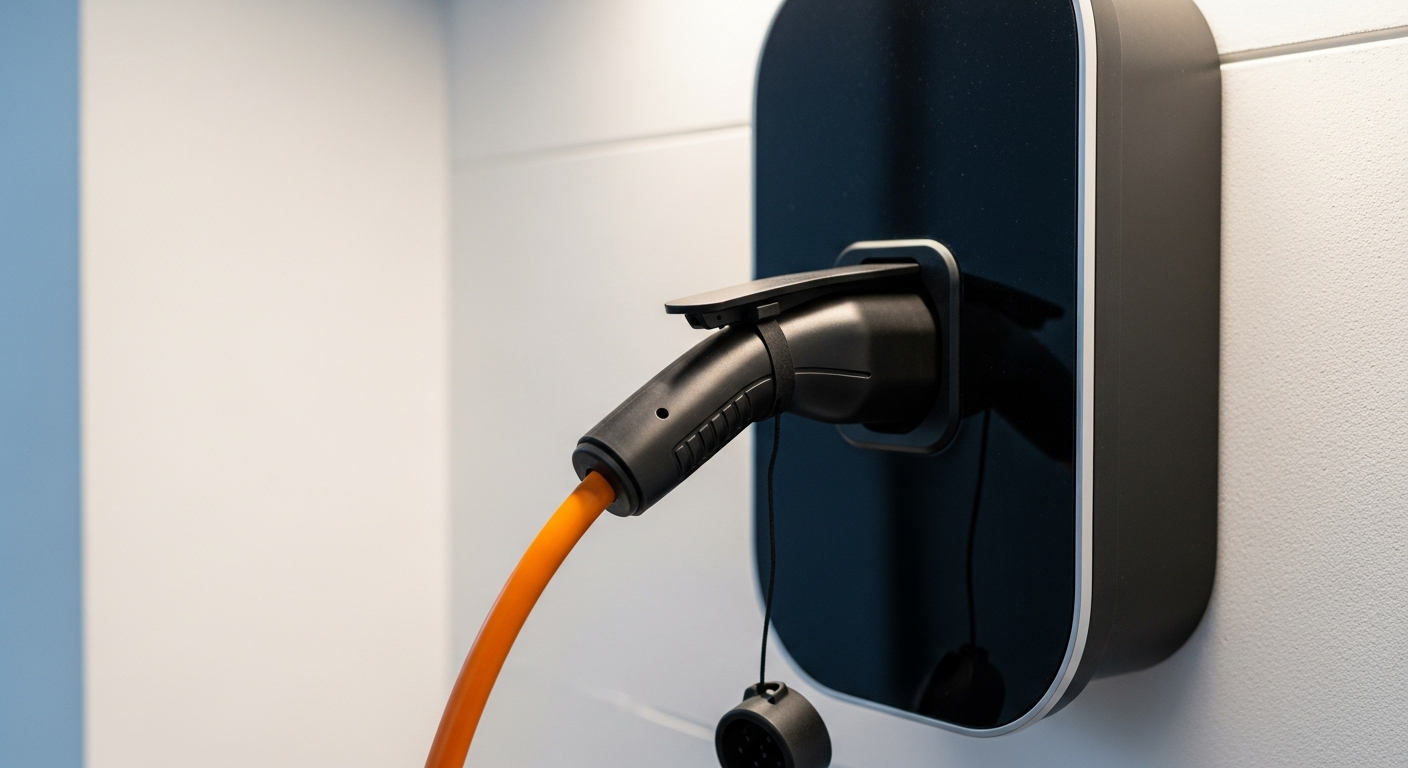
- Process: Plug in to charge battery
- Emissions: Zero tailpipe emissions
Gasoline Car Fuel
- Source: Gasoline (from gas stations)
- Cost: Varies by gas prices, often more expensive per mile
- Process: Pump liquid fuel into tank
- Emissions: Produces tailpipe emissions
4. Which car type has a smaller environmental footprint?
EVs generally have a smaller environmental footprint. They produce zero tailpipe emissions, meaning no harmful gases come out of the car as you drive. While the electricity to charge them might come from power plants that use fossil fuels, the overall emissions are still typically lower than gasoline cars, especially as more renewable energy sources are used.
5. What are the performance differences?
EVs offer instant torque, which means they can accelerate very quickly and smoothly from a stop. They also tend to be quieter because there's no engine noise. Gasoline cars, especially sports models, can also be very powerful, but they usually have a slight delay in acceleration as the engine revs up.
6. How do maintenance costs compare?
EVs typically have lower maintenance costs. They have fewer moving parts than gasoline engines, meaning less can break down. There's no oil to change, no spark plugs, and no complex exhaust systems. Gasoline cars require regular oil changes, filter replacements, and more frequent checks of various engine components.
7. What about range and refueling/recharging time?
Gasoline cars can refuel in minutes and have ranges of 300-500 miles or more. EVs have ranges typically between 200-400 miles. Recharging an EV can take 30 minutes to an hour at a public fast charger for a significant boost, or several hours overnight at home. This requires a bit more planning for long trips.
EV Charging Process
Drive
Use your EV for daily commutes or trips.
Plug In
Connect to home charger (slow) or public charger (fast).
Charge
Battery fills up. Time varies (hours at home, 30-60 min for quick top-up).
Ready
Unplug and drive with a full or sufficient charge.
8. Is one type of car safer than the other?
Both EVs and gasoline cars are designed to meet strict safety standards. EVs often have a lower center of gravity due to their heavy battery pack, which can improve handling and reduce rollover risk. Their strong battery casings also provide structural rigidity. Modern gasoline cars also feature advanced safety systems and robust designs.
9. How do government incentives impact the choice?
Many governments offer incentives to encourage EV adoption, such as tax credits, rebates, or grants. These can significantly reduce the upfront purchase price of an EV, making them more competitive with gasoline cars. These incentives vary by region and can change, so it's good to check what's available where you live.
10. Which car type is better for city driving vs. highway driving?
EVs often excel in city driving because they use regenerative braking, which recharges the battery when you slow down. This makes them very efficient in stop-and-go traffic. For long highway trips, gasoline cars might still be preferred by some due to their quicker refueling times and extensive network of gas stations, though EV charging networks are rapidly growing.