
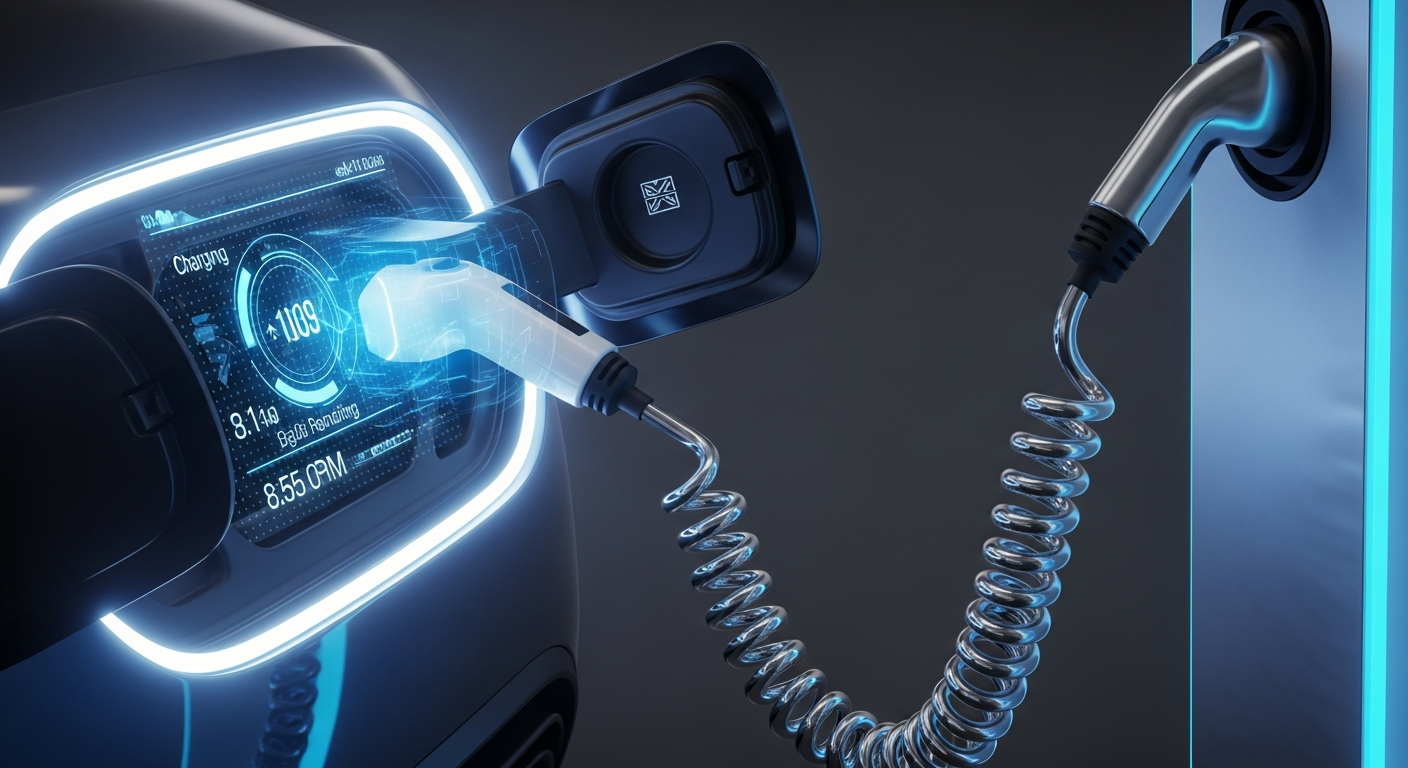
Thinking about a new car but unsure whether to go electric or stick with gasoline? This guide breaks down the key differences between electric vehicles (EVs) and traditional gasoline cars in simple terms.
We'll help you understand what each type of car offers, from how they run to how they impact your wallet and the planet.
1. What are the main differences between EVs and gasoline cars?
The biggest difference is how they're powered. Gasoline cars use an engine that burns fuel to move, while electric cars use an electric motor powered by a large battery. This means EVs don't have an exhaust pipe or need oil changes, and they "refuel" by plugging into an electrical outlet.
2. Which type of car is better for the environment?
Generally, electric cars are better for the environment. They produce zero tailpipe emissions, meaning no harmful gases come out while driving. Gasoline cars, however, release greenhouse gases and pollutants that contribute to air pollution and climate change.
Even considering battery production and electricity generation, EVs typically have a lower overall carbon footprint over their lifetime, especially as more electricity comes from renewable sources.
3. How do driving experiences differ between EVs and gas cars?
Driving an EV often feels smoother and quieter. They offer instant torque, meaning they accelerate quickly and seamlessly without gear changes. Gasoline cars have engine noise and vibrations, and acceleration can feel different depending on the gears.
Many EV drivers describe the experience as more futuristic and relaxed due to the lack of engine noise and vibrations.
Electric Cars (EVs)
- Powered by battery and electric motor
- Zero tailpipe emissions
- Charge at home or public stations
- Quiet, smooth acceleration
- Lower long-term fuel costs
Gasoline Cars
- Powered by internal combustion engine
- Emits greenhouse gases
- Refuel at gas stations
- Engine noise, gear shifts
- Higher long-term fuel costs
4. What are the performance differences?
EVs are known for their quick acceleration, especially from a standstill, thanks to instant torque. Many electric cars can accelerate faster than comparable gasoline cars. While gasoline cars can also be very powerful, their power delivery often builds up as the engine revs.
Both types of cars offer a wide range of performance, from everyday driving to high-performance sports models.
5. How does refueling/recharging compare?
Gasoline cars refuel quickly at gas stations, usually in minutes. Electric cars "recharge" by plugging in. This can take anywhere from 30 minutes at a fast public charger to several hours overnight at home, depending on the charger type and battery size.
The convenience of charging at home overnight is a big plus for many EV owners, but public charging infrastructure is still growing.
6. Which car type is quieter?
Electric cars are significantly quieter than gasoline cars. Without an engine burning fuel, there's no engine roar, vibrations, or exhaust noise. This makes for a much more peaceful driving experience inside the cabin.
The main sounds you'll hear in an EV are tire noise and wind, especially at higher speeds. Gasoline cars, even quiet ones, always have some level of engine sound.
7. What are the safety considerations for each?
Both EVs and gasoline cars must meet strict safety standards. Modern cars of both types include advanced safety features like airbags, anti-lock brakes, and driver-assist systems. EVs have heavy battery packs usually located low in the chassis, which can lower the car's center of gravity and improve stability.
EVs also have unique safety features like automatic shut-off in a crash and robust battery protection. Fire risks, while rare in both, are handled differently.
EV Charging Flow
8. How do long-term costs compare?
While EVs often have a higher initial purchase price, they can be cheaper to own long-term. Electricity is typically cheaper per mile than gasoline, and EVs require less maintenance due to fewer moving parts. Government incentives and tax credits can also reduce the upfront cost of an EV.
Gasoline cars have consistent fuel costs and more frequent maintenance needs like oil changes and spark plug replacements.
9. Which car type is easier to maintain?
Electric cars are generally easier and cheaper to maintain. They don't have engines, transmissions, spark plugs, or oil that need regular servicing. The main maintenance for an EV involves tires, brakes (which last longer due to regenerative braking), and cabin air filters.
Gasoline cars require routine oil changes, filter replacements, and more complex engine and transmission checks, leading to higher maintenance costs over time.
10. Is an electric car right for everyone?
Not necessarily for everyone, but they are becoming suitable for more people. EVs are great for those with predictable driving habits, access to home charging, and a desire for lower running costs and environmental impact. For drivers who frequently take very long trips in areas with limited charging infrastructure, a gasoline car might still be more convenient.
However, with improving battery range and expanding charging networks, EVs are becoming a practical choice for a growing number of drivers.