
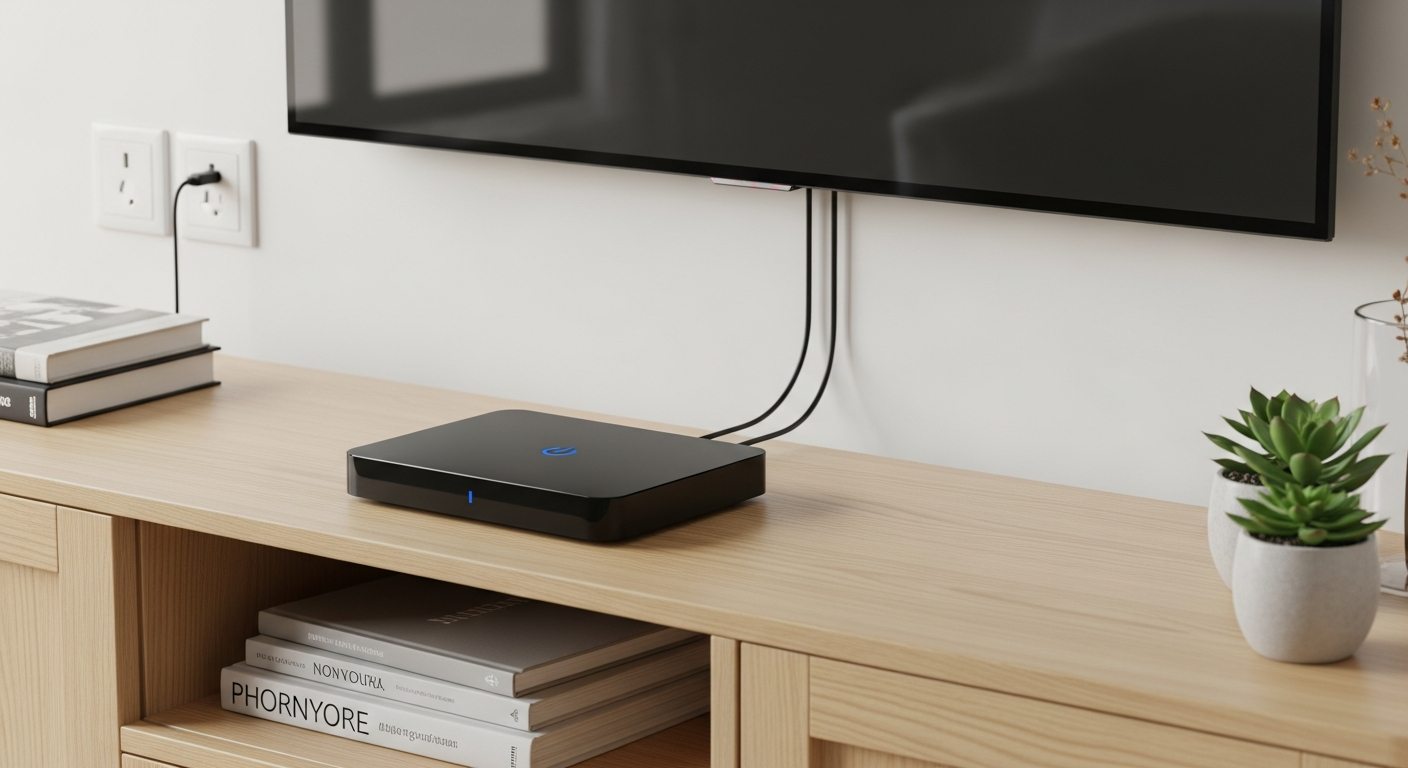
Are you tired of expensive cable bills and want more control over what you watch? Many people are switching from traditional cable to streaming services to save money and enjoy more flexible entertainment.
1. What does "cutting the cord" mean?
"Cutting the cord" is a popular phrase that means canceling your traditional cable TV subscription. Instead of paying a cable company for channels, you rely on internet-based streaming services to watch your favorite shows, movies, and even live TV.
2. Can I really save money by ditching cable?
Yes, many people find they save a significant amount of money. Cable bills often include hidden fees and channels you don't watch. Streaming services typically have lower monthly fees, and you can pick and choose only the services you want, leading to a much smaller overall bill.
3. What are the best streaming alternatives to traditional cable?
Popular streaming services include Netflix, Disney+, Hulu, Max, and Prime Video for on-demand movies and shows. For live TV, options like YouTube TV, Sling TV, and Hulu + Live TV offer many of the channels you'd get with cable, streamed over the internet.
On-Demand Streaming
- Huge library of movies and shows
- Watch anything, anytime you want
- No fixed schedules
- Examples: Netflix, Disney+, Max
Live TV Streaming
- Access to live channels and scheduled programs
- Often includes local news and sports
- Cloud DVR for recording shows
- Examples: YouTube TV, Sling TV
4. How do I watch live TV without cable?
To watch live TV, you'll need a "live TV streaming service." These services, like YouTube TV or Sling TV, stream actual TV channels over your internet connection. They often include popular networks, sports channels, and news, just like a cable package, but usually at a lower cost.
5. Will I lose access to local channels if I cut the cord?
Not necessarily! Many live TV streaming services include local channels like ABC, CBS, NBC, and FOX, depending on your area. Another great option is to use a digital antenna, which can pick up these channels for free directly from the airwaves.
6. Do I need a special antenna for local channels?
If you want free local channels and they aren't available on your chosen streaming service, yes, you'll need a digital "Over-The-Air" (OTA) antenna. These are different from old rabbit-ear antennas and can be very effective at picking up local broadcasts in high definition.
7. What equipment do I need to cut the cord?
You primarily need a reliable internet connection and a device to stream content. This could be a smart TV, a streaming stick (like a Roku or Fire TV Stick), a gaming console, or even a smartphone or tablet. Your existing TV will likely work just fine.
Potential Annual Savings by Cutting the Cord (2026 Estimates)
8. How do I manage multiple streaming subscriptions?
It's easy to get many subscriptions. To manage them, consider rotating services: subscribe to one for a few months, then cancel and try another. You can also use apps or spreadsheets to track your subscriptions and their billing dates to avoid paying for services you don't actively use.
9. Can I still watch sports without cable?
Absolutely! Many live TV streaming services include popular sports channels like ESPN, Fox Sports, and regional sports networks. There are also dedicated sports streaming services for specific leagues or events. Just check which services carry the sports you love before subscribing.
10. What are the pros and cons of cutting the cord?
Pros include significant cost savings, more flexible viewing options (watch what you want, when you want), and no more hidden fees. Cons can include needing a strong internet connection, potentially managing multiple apps, and occasionally missing very niche channels that aren't widely streamed.