
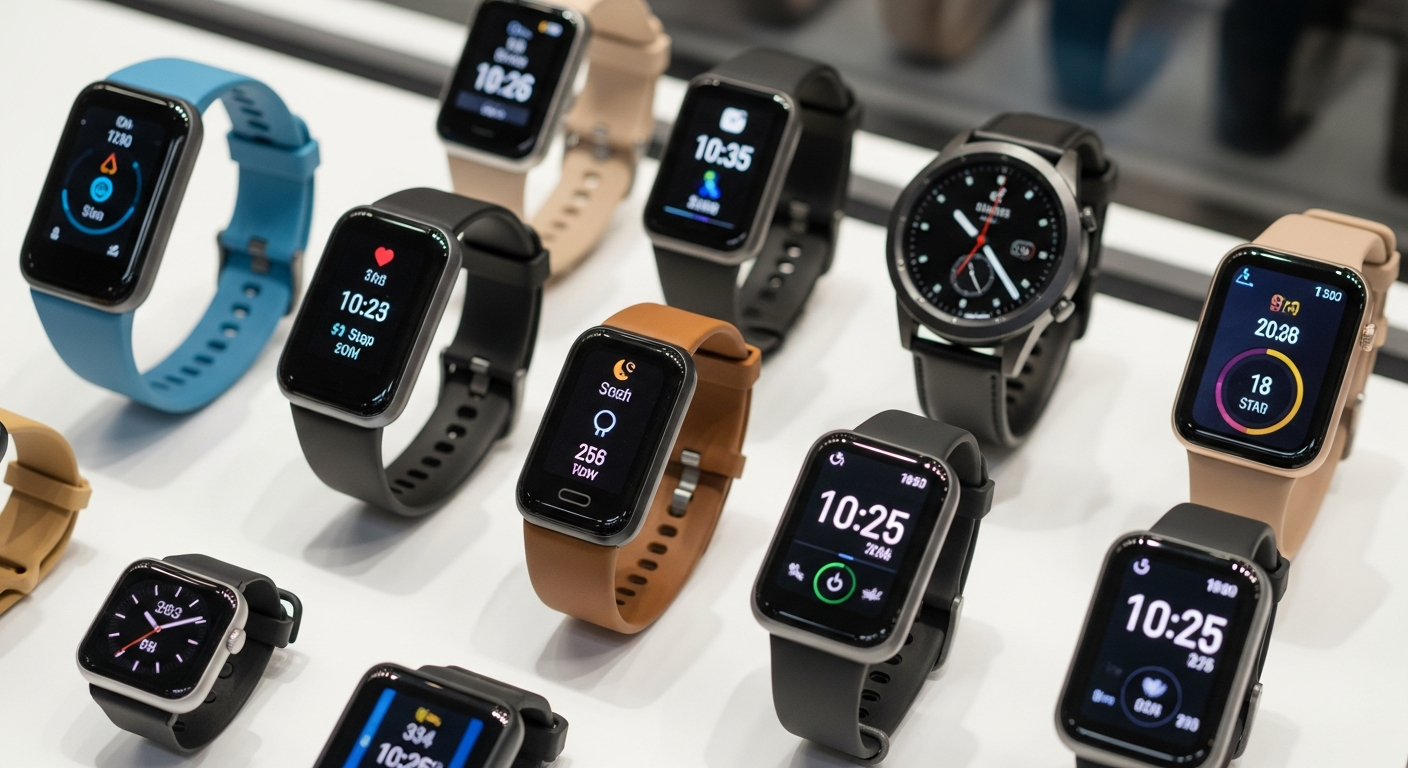
Choosing a fitness tracker or smartwatch can feel overwhelming with so many options available. This guide will help you understand the key differences and features so you can pick the perfect wearable for your lifestyle in 2026.
1. What should I consider before buying a wearable?
Before you buy, think about what you want to achieve. Are you looking to track daily steps, monitor sleep, or get serious about running? Your main goals will guide you towards a simple fitness tracker or a more advanced smartwatch. Also, consider your daily activities and how the device will fit into your routine.
2. How much should I budget for a fitness tracker or smartwatch?
Prices vary widely. Basic fitness trackers can start around $30-$50, offering essential step and sleep tracking. Smartwatches with advanced features like GPS, calling, and app support can range from $150 to $400 or more. Set a budget based on the features you truly need, not just the most expensive option.
3. Is it compatible with my smartphone (iPhone/Android)?
Yes, compatibility is crucial! Most wearables are designed to work best with either iPhones (iOS) or Android phones. For example, an Apple Watch works only with iPhones. Always check the product description to ensure it will connect smoothly with your specific smartphone model and operating system for full functionality.
Fitness Tracker
- Focus: Activity & Health Tracking
- Features: Steps, Sleep, Heart Rate
- Screen: Often smaller, simpler
- Apps: Limited or none
- Price: Generally lower
Smartwatch
- Focus: Notifications & Apps
- Features: All tracker features + Calls, Texts, GPS
- Screen: Larger, colorful, interactive
- Apps: Many available (weather, music)
- Price: Generally higher
4. What features are essential for a beginner?
For beginners, focus on the basics: step counting, distance walked, calorie burn estimates, and sleep tracking. These core features provide a great starting point for understanding your daily activity levels and sleep patterns. A simple heart rate monitor can also be very helpful for general health awareness.
5. Should I prioritize battery life or advanced features?
This is a trade-off. Devices with many advanced features like constant GPS, bright screens, and cellular connectivity tend to have shorter battery lives, often needing daily or every-other-day charging. Simpler fitness trackers can last for days or even weeks on a single charge. Decide if you prefer convenience (long battery) or cutting-edge tech (more features).
6. What kind of design options are available?
Wearables come in many styles. You can find sleek, minimalist bands that blend in, or larger, more traditional watch faces. Some allow you to swap out straps to match your outfit or activity. Consider comfort, material (silicone, metal, fabric), and how it looks on your wrist for daily wear. Choose a design that you'll be happy to wear all the time.
7. Do I need GPS built-in?
Built-in GPS is important if you want to accurately track outdoor activities like running, cycling, or hiking without carrying your phone. It records your route, distance, and pace precisely. If you mostly exercise indoors or always carry your phone, you might not need built-in GPS, as some trackers can use your phone's GPS instead.
Choosing Your Wearable Path
Start: What are your main goals?
Goal 1: Basic Activity & Health? (Steps, Sleep, HR)
Yes → Consider a Fitness Tracker
No → Go to Goal 2
Goal 2: Advanced Features & Connectivity? (GPS, Calls, Apps)
Yes → Consider a Smartwatch
No → Re-evaluate goals or choose simplest tracker
End: Compare specific models based on budget & compatibility.
8. What about water resistance for swimming?
If you plan to swim or shower with your device, water resistance is a must. Look for ratings like "5 ATM" or "swim-proof," which mean it can handle submersion. "Splash-proof" or "water-resistant" (without an ATM rating) usually means it's fine for rain or hand washing, but not swimming. Always check the specific rating for your chosen activity.
9. How important is heart rate monitoring?
Heart rate monitoring is very important for understanding your fitness and overall health. It helps track workout intensity, resting heart rate (a key health indicator), and can alert you to unusual rhythms. Most modern wearables include it, but accuracy can vary. For serious training, some prefer a chest strap, but wrist-based is convenient for daily use.
10. Where can I read reviews for beginners?
For beginner-friendly reviews, check reputable tech websites like CNET, TechRadar, or Tom's Guide. They often have "best of" lists tailored for different needs and budgets, explaining features in simple terms. YouTube channels focusing on consumer tech can also provide helpful visual reviews. Always look for recent reviews from 2025 or 2026 to ensure the information is up-to-date.