
Welcome to the exciting world of smart homes! It might seem complicated, but choosing your first smart device is easier than you think. This guide will help you find the perfect starting point for your connected home.
1. Where should I start with smart home tech?
Start by thinking about what bothers you most around the house. Is it forgetting to turn off lights, worrying about security, or wanting to play music easily? Your first device should solve a real problem or make a daily task simpler, not just be a cool gadget.
2. What's a good entry-level smart device?
Smart plugs and smart light bulbs are excellent starting points. They are affordable, easy to set up, and immediately show you the benefits of smart tech. You can control lights or appliances with your voice or phone, even when you're not home.
3. Should I pick a smart speaker first?
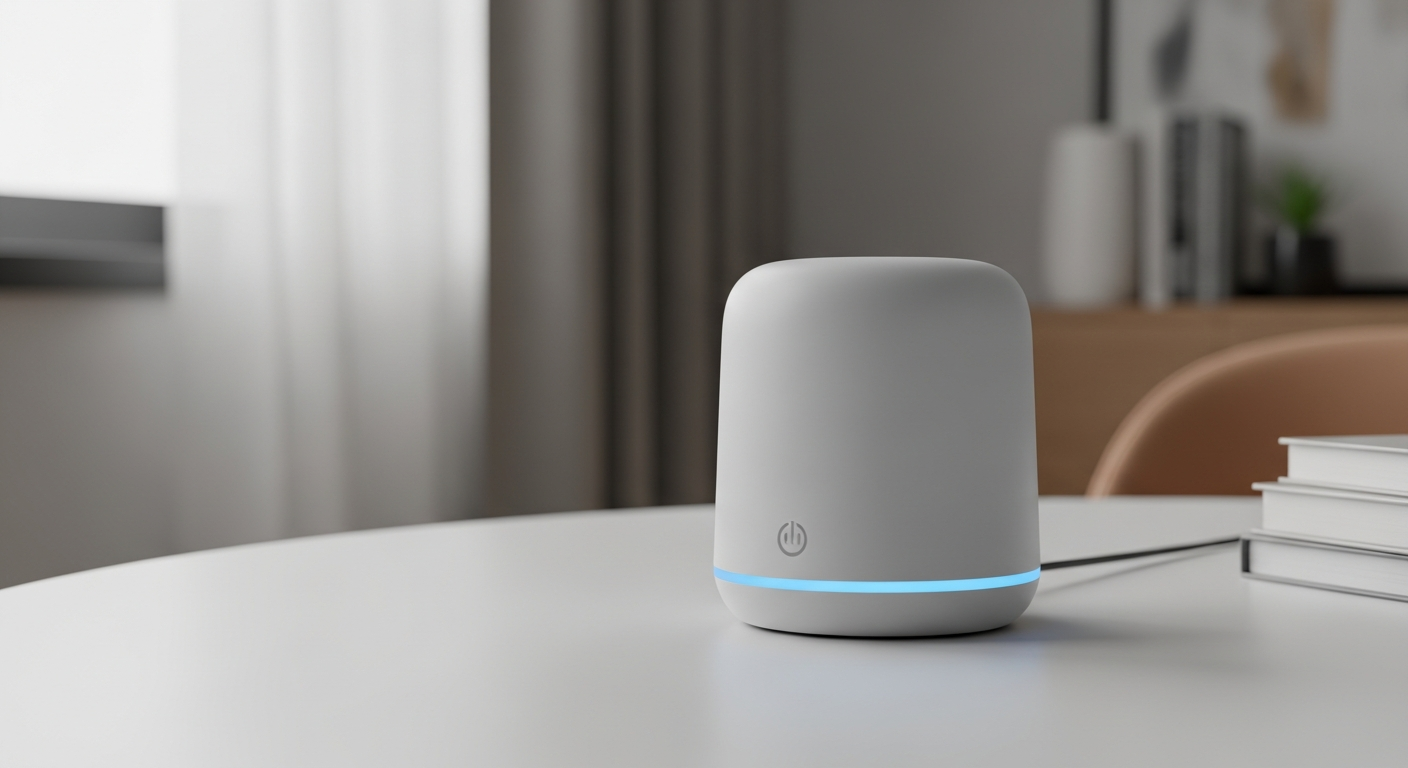
A smart speaker (like an Amazon Echo or Google Nest Hub) is a great central hub for your smart home. It lets you control other devices with your voice, play music, set timers, and get answers to questions. While not strictly necessary as a first device, it often becomes a core part of many smart homes.
Smart Plug
- Turns any regular appliance smart
- Simple on/off control
- Affordable, easy to move
- No special wiring needed
Smart Light Bulb
- Control brightness and color
- Set schedules and moods
- Energy saving potential
- Requires compatible light fixture
4. What's my budget for smart devices?
Smart home devices range from very cheap to quite expensive. Decide how much you're willing to spend. Many entry-level devices cost under $30, while more advanced systems can be hundreds. Remember, you can always add more devices later as your needs and budget grow.
5. What problems do I want to solve?
Before buying, list specific things you want a device to do. Do you want to save energy by turning off lights automatically? Feel safer with a smart camera? Or simply enjoy waking up to coffee brewing? Focusing on solutions helps narrow down your choices.
6. Should I consider compatibility with other devices?
Yes, absolutely! Compatibility means devices can "talk" to each other. If you buy a smart speaker from one brand, you'll want other devices that work with it. Look for labels like "Works with Alexa," "Works with Google Home," or "Apple HomeKit compatible" to ensure future devices can connect.
7. What brands are good for beginners?
For beginners, brands like TP-Link (Kasa Smart), Philips Hue, Ring, Arlo, and Google Nest are popular and generally user-friendly. They offer clear instructions, good support, and a wide range of devices that often work well together. Amazon's own Echo devices are also very beginner-friendly.
Choosing Your First Smart Device
- Identify a problem or desire (e.g., "I forget to turn off lights")
- Research device types that solve it (e.g., smart bulbs, smart plugs)
- Check compatibility with existing tech (e.g., your phone, Wi-Fi)
- Consider your budget and desired features
- Read reviews and choose a beginner-friendly brand
- Install and enjoy your new smart home convenience!
8. How important is privacy when choosing?
Privacy is very important. Smart devices collect data, so it's wise to choose brands with good reputations for security and privacy. Read their privacy policies. Look for features like two-factor authentication and clear explanations of how your data is used and protected.
9. What features should I look for?
Key features include easy setup, reliable Wi-Fi connectivity, and app control. Voice control (via a smart speaker) is a huge plus. Look for scheduling options, automation capabilities (like turning lights on at sunset), and remote access so you can control devices from anywhere.
10. Where can I buy smart home devices?
You can find smart home devices at major electronics stores like Best Buy, online retailers such as Amazon and Walmart, and even some home improvement stores like Home Depot or Lowe's. Many brands also sell directly from their own websites. Always check reviews before purchasing.