
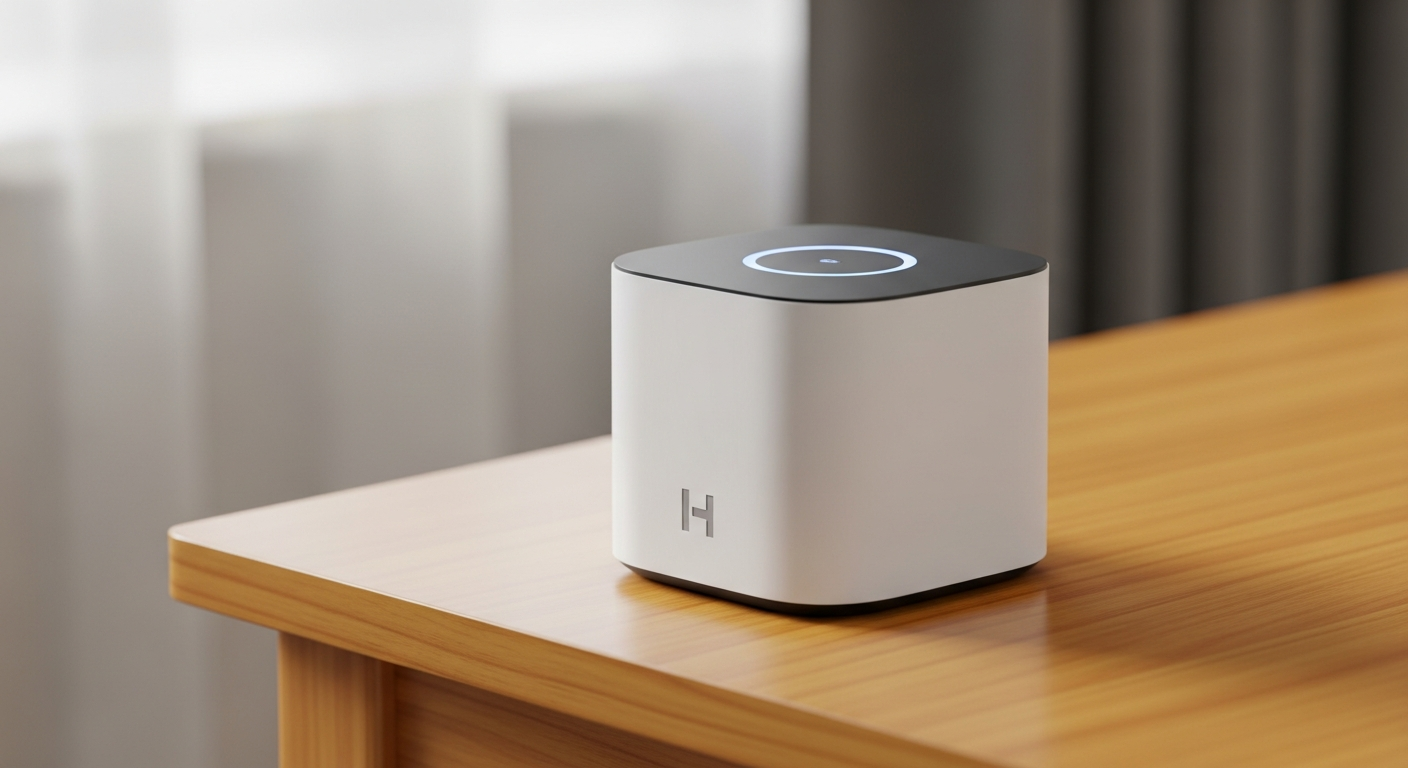
Thinking about making your home a little smarter? It's exciting to bring new technology into your daily life!
This guide will help you understand the basics and pick the perfect first smart device for your home, even if you've never used one before.
1. What should I consider before buying my first smart device?
Before you buy, think about what problem you want to solve or what convenience you want to add. Do you want to save energy, feel safer, or just make your lights easier to control? Knowing your main goal will help you choose the right device.
Also, consider your current internet setup. A reliable Wi-Fi connection is crucial for most smart devices to work correctly.
2. Which smart devices are best for beginners?
For your first step into smart home tech, simple devices are best. Smart plugs are a great start; they turn any regular lamp or appliance into a smart one. Smart light bulbs are also easy to set up and control with your phone or voice.
Another popular choice is a basic smart speaker, which can play music, answer questions, and control other smart devices.
3. How do I check for device compatibility?
Compatibility means if devices can "talk" to each other. Look for phrases like "Works with Alexa," "Works with Google Home," or "HomeKit compatible" on the product packaging or description. If you already have a smart speaker, try to pick devices that work with it.
Many devices also use their own apps, so ensure your phone is compatible with the app needed to control the device.
Smart Plugs
- Turns regular devices "smart"
- Easy setup, just plug in
- Control lamps, fans, coffee makers
- Affordable entry point
Smart Light Bulbs
- Control lights from your phone
- Change brightness or color
- Schedule lights to turn on/off
- Simple replacement for old bulbs
4. What's a good budget for a first smart device?
You don't need to spend a lot to get started. Many excellent beginner-friendly smart devices like smart plugs or single smart bulbs can be found for $15-$30. Basic smart speakers often range from $30-$50. Start small and see how you like it before investing more.
5. Is installation difficult for smart devices?
Most beginner smart devices are designed for easy installation. Smart plugs just plug into an outlet, and smart bulbs screw into a light socket. You'll usually download an app on your smartphone, connect the device to your home Wi-Fi, and follow simple on-screen instructions.
Some devices might require a bit more, but the instructions are typically very clear.
6. Which brands are good for beginners?
For beginners, reliable brands known for user-friendly products and good customer support are key. Brands like TP-Link (Kasa Smart), Philips Hue, Amazon (Echo devices), Google (Nest devices), and Wyze offer a range of easy-to-use and affordable smart devices.
These brands often have good app interfaces and clear setup guides.
7. What are essential features to look for?
For your first device, look for basic features like app control (controlling from your phone), scheduling (setting times for it to turn on/off), and voice control (if you have a smart speaker). These features offer the most immediate convenience and impact.
Later, you might explore more advanced options like motion sensing or energy monitoring.
Smart Device Setup Flow
Plug it in or screw it in.
Find the device's app on your phone.
Follow app steps to link to home network.
Use app or voice commands.
8. How do I ensure my device is secure?
Security is important. Always create strong, unique passwords for any new smart device accounts. Enable two-factor authentication (2FA) if available, which adds an extra layer of security. Keep your device's software updated, as updates often include security fixes.
Only connect devices from reputable brands to minimize risks.
9. Can I expand my smart home later?
Absolutely! Most smart home systems are designed to be expandable. Once you have a smart speaker or a central hub, you can gradually add more devices like smart thermostats, door locks, or security cameras. Just remember to check for compatibility with your existing setup.
Starting small helps you learn and grow your smart home at your own pace.
10. Where is the best place to buy smart home devices?
You can find smart home devices at major electronics retailers, both online and in physical stores. Online stores like Amazon, Best Buy, and Walmart offer a wide selection and often competitive prices. Physical stores allow you to see the product and ask questions.
Check reviews from other users before making a purchase to ensure satisfaction.