
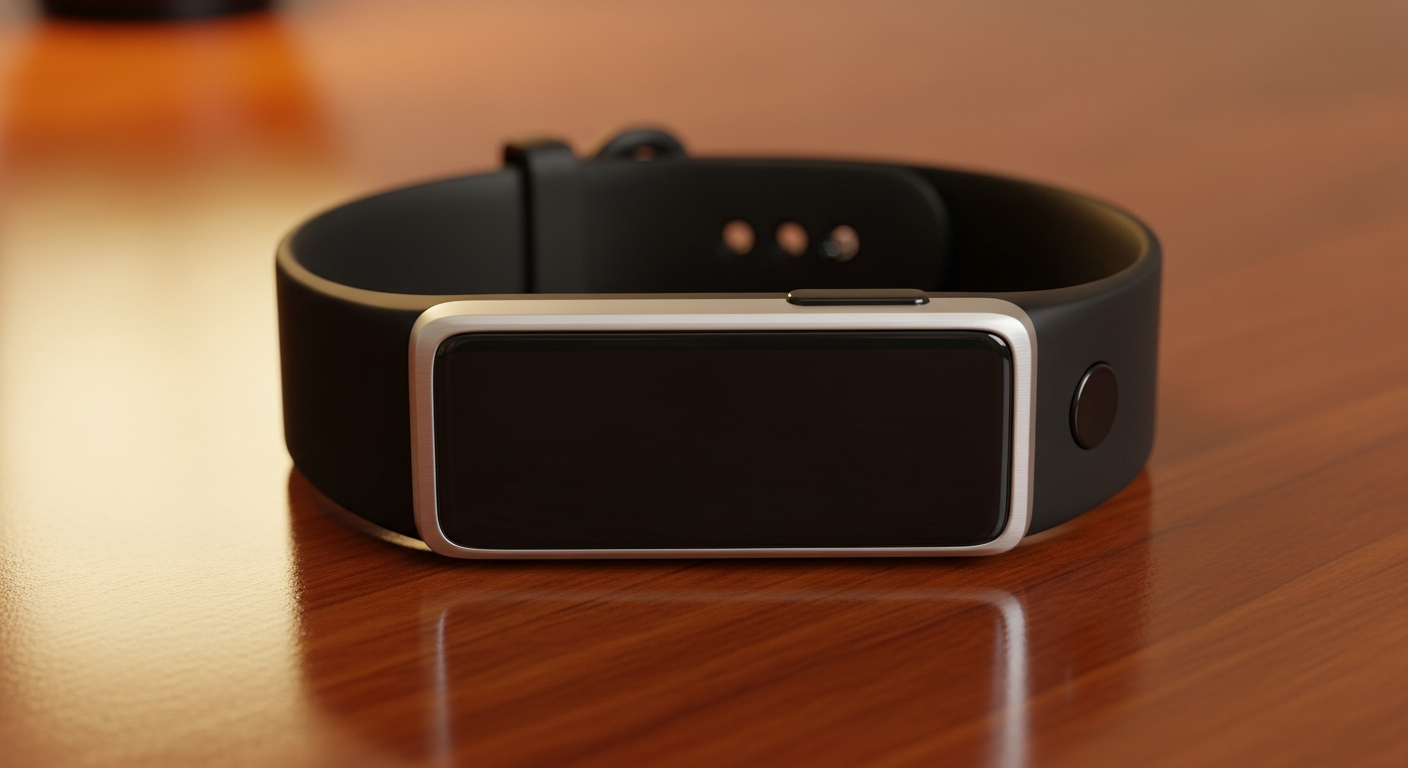
Thinking about getting your first fitness tracker but feeling a bit lost? This guide is designed for absolute beginners to help you pick the perfect device to start your health journey.
We'll break down everything you need to know, from setting a budget to understanding essential features, so you can make an informed choice without any tech jargon confusion.
1. What budget should I set for my first fitness tracker?
For your first fitness tracker, aim for a budget between $30 and $100. This range offers reliable devices with all the basic features you'll need without breaking the bank. More expensive trackers often have advanced features that beginners might not fully utilize.
Starting with a budget-friendly option allows you to try out a fitness tracker without a huge commitment. If you find you love it and want more features later, you can always upgrade.
2. Which features are essential for a beginner?
As a beginner, focus on trackers that offer step counting, distance tracking, calorie burn estimation, and basic sleep tracking. These core features provide a great starting point for understanding your daily activity levels and sleep patterns.
Some trackers also include heart rate monitoring, which can be useful but isn't strictly essential for your very first device. Keep it simple to avoid feeling overwhelmed.
3. Should I get a tracker with a screen or without?
For most beginners, a fitness tracker with a screen is highly recommended. A screen allows you to quickly check your steps, time, and notifications right on your wrist without needing to pull out your phone. This convenience can make it much easier to stay motivated.
Trackers without screens are usually smaller and more discreet, but they require you to open an app on your phone to see any data. This can be less convenient for daily use.
Tracker with Screen
- See stats instantly on your wrist
- Often displays time and notifications
- Easier to interact with the device
Tracker without Screen
- More discreet and lightweight
- Longer battery life (sometimes)
- All data viewed on phone app
4. How important is phone compatibility?
Phone compatibility is very important. Your fitness tracker connects to an app on your smartphone to show you detailed data, track your progress over time, and often update its software. Make sure the tracker you choose works with your phone's operating system (like Apple iOS or Google Android).
Most trackers are compatible with both major phone types, but it's always good to double-check the product description. This ensures a smooth experience syncing your data.
5. What are the key differences between popular brands?
Popular brands like Fitbit, Garmin, and Xiaomi offer a range of trackers. Fitbit is known for user-friendly apps and community features. Garmin often focuses on more advanced sports tracking, even in its simpler models. Xiaomi provides very affordable options with good basic features.
For beginners, Fitbit and Xiaomi are often excellent choices due to their ease of use and value. Compare their entry-level models to see which one best fits your budget and desired look.
6. How do I know if it will be comfortable to wear?
Comfort is crucial since you'll be wearing it all day and night. Look for trackers with soft, flexible bands, often made of silicone. Check user reviews for comments on comfort, especially regarding irritation or bulkiness. Some trackers come in different sizes, so measure your wrist if possible.
A lightweight design is also a good indicator of comfort. If you can, try one on in a store to get a feel for it before buying.
7. What kind of app ecosystem should I look for?
The "app ecosystem" refers to the smartphone app that connects to your tracker. For beginners, look for an app that is easy to understand, clearly displays your data (like steps and sleep), and offers simple goal setting. It should feel intuitive, not confusing.
Fitness Tracker App Flow
A good app will present your information in simple graphs and summaries, helping you understand your activity without needing to be a data expert. Some apps also offer gentle nudges or challenges to keep you motivated.
8. Is water resistance a must-have feature?
For most beginners, water resistance is a highly recommended feature. This means your tracker can withstand splashes, rain, and sweat, so you don't have to worry about taking it off for everyday activities like washing your hands or light workouts.
Many basic trackers are "swim-proof" (meaning they can be submerged), which is a bonus but not strictly necessary unless you plan to track swimming. Look for ratings like "5 ATM" or "water resistant up to 50m" for good protection.
9. How important is battery life for a beginner?
Battery life is quite important for a beginner. You want a tracker that can last several days on a single charge (3-7 days is common). This means less frequent charging, making it easier to wear consistently and track your sleep without interruption.
Trackers with very short battery lives (1-2 days) can be annoying to manage. Longer battery life ensures your tracker is always ready when you are, helping you build a consistent tracking habit.
10. Where can I find reliable reviews for fitness trackers?
For reliable reviews, check reputable tech websites like CNET, TechRadar, and Tom's Guide. These sites often provide in-depth testing and comparisons for various fitness trackers, focusing on real-world performance.
Also, look at user reviews on major retail sites like Amazon or Best Buy. Pay attention to common themes in both positive and negative feedback, especially regarding battery life, app usability, and comfort. This combined approach gives you a well-rounded view.