
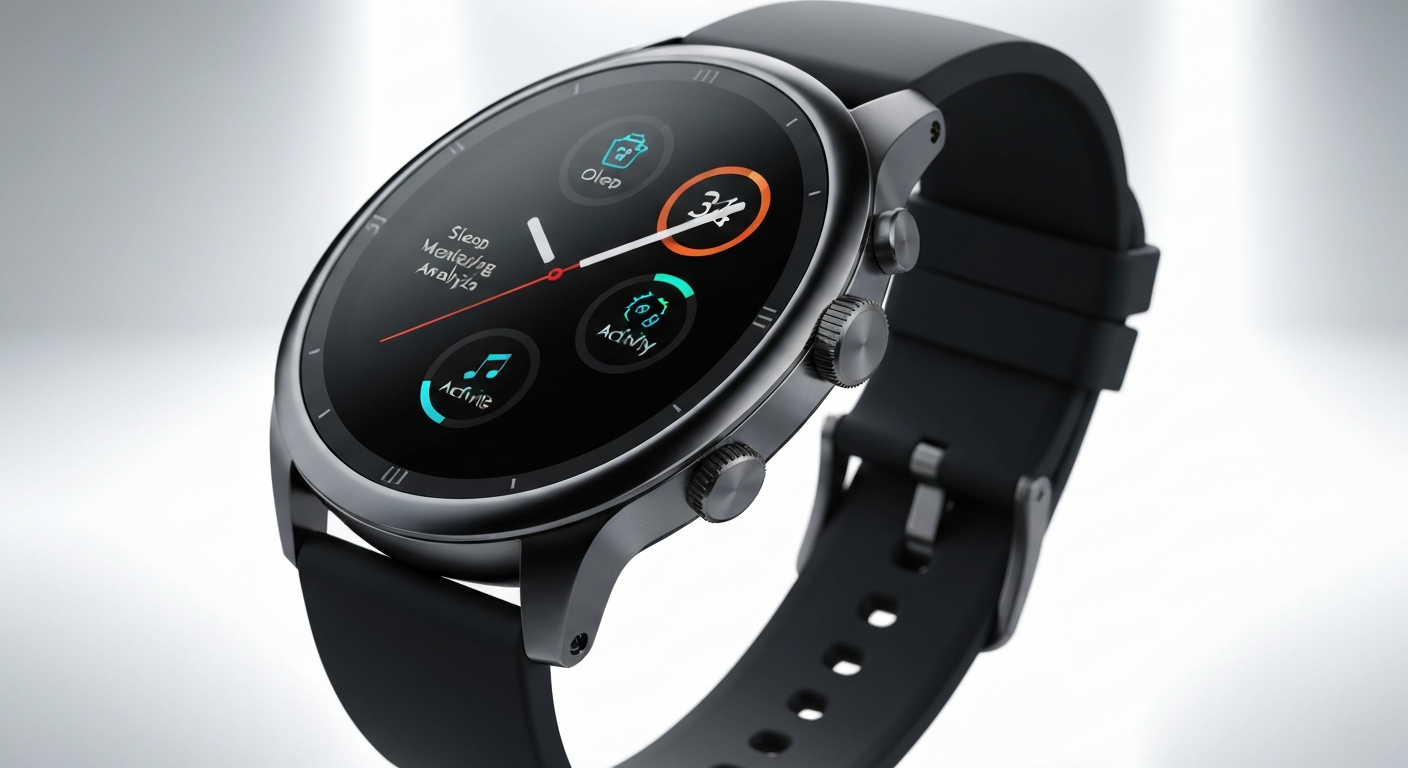
Can a Smartwatch Really Track Your Health? Honest Answer
Smartwatches have become incredibly popular, and many people are curious about their health tracking abilities. In 2026, these devices are more advanced than ever, promising insights into everything from your heart rate to your sleep patterns. But how much can you truly rely on them? Let's get an honest answer.1. What health features do smartwatches have?
Modern smartwatches are packed with sensors designed to give you a snapshot of your daily health. Most commonly, they track your heart rate continuously throughout the day and during exercise. Many also feature blood oxygen (SpO2) monitoring, sleep tracking to analyze your sleep stages, and step counting to measure your activity levels. Some premium models include an Electrocardiogram (ECG) app to check for signs of certain heart rhythm issues, and even skin temperature sensors. They can also estimate stress levels based on your heart rate variability.2. How accurate is heart rate tracking?
For most people, smartwatch heart rate tracking is quite good for general wellness and fitness purposes. It uses optical sensors that shine light onto your skin and measure blood flow. This works well for resting heart rate and during moderate, steady-state exercise. However, accuracy can sometimes be less reliable during very intense workouts, activities with a lot of arm movement (like weightlifting), or if the watch isn't worn snugly. Factors like skin tone, tattoos, and even ambient temperature can also influence the readings slightly. It’s a great tool for understanding your trends, but not a medical device.3. Can a watch detect heart problems?
Some smartwatches can detect *signs* of certain heart problems, specifically Atrial Fibrillation (AFib), which is an irregular heart rhythm. They do this using an ECG app, which can take a single-lead electrocardiogram similar to what a doctor might do in a quick check-up. If the watch detects an irregular rhythm that suggests AFib, it will alert you. **However, a smartwatch cannot diagnose a heart attack, other heart conditions, or replace a visit to a doctor.** It’s a screening tool that can prompt you to seek medical advice if something unusual is detected.Smartwatch for Heart Health: What it CAN vs. CAN'T do
Smartwatch CAN Help With...
Monitor resting heart rate trends
Alert for signs of Atrial Fibrillation (AFib)
Track heart rate during exercise
Provide general heart health awareness
Smartwatch CANNOT Do...
Diagnose a heart attack or other conditions
Replace a full medical ECG or doctor's visit
Provide emergency medical treatment
Offer personalized medical advice
4. What about blood oxygen monitoring?
Blood oxygen saturation (SpO2) measures the percentage of oxygen-carrying hemoglobin in your red blood cells. A healthy level is usually between 95-100%. Smartwatches use a similar optical sensor to heart rate, shining red and infrared light through your skin. This feature is primarily for general wellness and can give you an idea of your body's respiratory and circulatory health. It might highlight patterns during sleep that suggest breathing disturbances, but it's not a medical-grade pulse oximeter. It's not intended for medical diagnosis or to replace clinical equipment, especially for conditions like sleep apnea or lung disease.5. Can it track my sleep accurately?
Smartwatches are quite good at tracking your sleep patterns and providing insights into your sleep quality. They use movement (accelerometer) and heart rate data to estimate when you fall asleep, wake up, and spend time in different sleep stages like light, deep, and REM sleep. While they can't measure brain waves like a clinical sleep study, they are excellent at identifying trends, showing you how much sleep you're getting, and highlighting potential disturbances. This data can be very helpful for understanding your habits and making lifestyle changes to improve your rest.6. Does step counting actually work?
Yes, step counting on smartwatches is generally very accurate for its intended purpose: counting steps. Smartwatches use accelerometers to detect the motion of your arm and body as you walk. This provides a good estimate of your daily activity and can be a fantastic motivator to move more. While the exact distance or calorie burn derived from step counts can vary slightly based on your stride length and personal metabolism, the step count itself is usually quite reliable. It’s a simple yet effective way to track your basic activity levels.7. Can it measure stress?
Many smartwatches offer stress tracking, which typically works by analyzing your Heart Rate Variability (HRV). HRV is the variation in time between your heartbeats. A higher HRV generally indicates better adaptability to stress, while a lower HRV can suggest your body is under more strain. The watch uses this data, along with activity and sleep, to give you a stress score or a general indication of your stress levels. It's a useful feature for building self-awareness and encouraging mindfulness or relaxation techniques, but it's not a clinical diagnosis of stress or anxiety.Smartwatch Health Tracking: Benefits & What to Remember
Awareness & Motivation
Helps you understand your body's patterns and encourages healthier habits.
Track Trends Over Time
See how your heart rate, sleep, or activity changes day-to-day and week-to-week.
Not for Diagnosis
Smartwatch data is for wellness, not for diagnosing medical conditions.
Consult a Doctor
Always discuss any health concerns or unusual readings with your healthcare provider.