
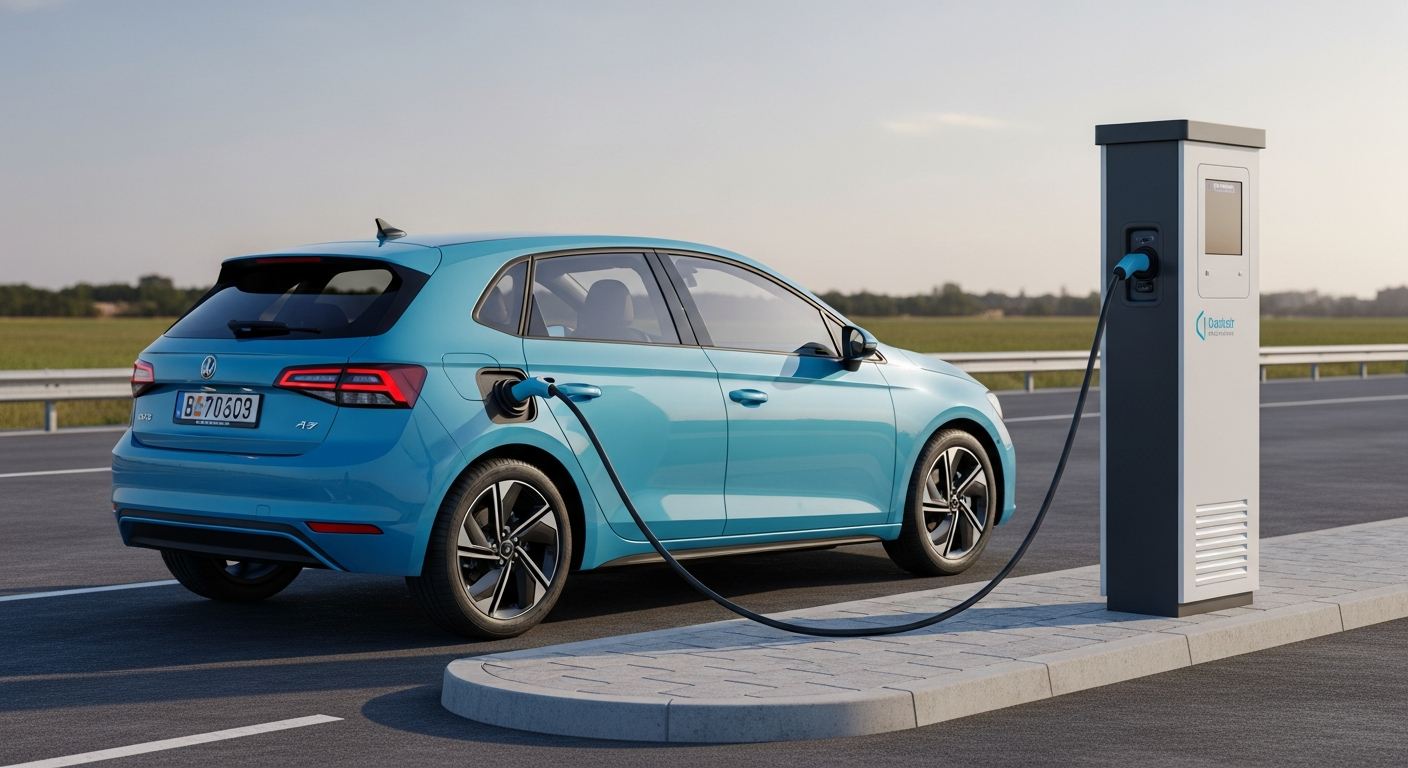
Thinking about buying your first electric car? It's an exciting step towards a greener future, but there are a few new things to learn. This guide will help you understand what's important when choosing your perfect EV.
1. What's the average cost of an EV?
In 2026, the average price for a new electric vehicle (EV) can range from about $35,000 to $70,000, depending on the model, size, and features. While some entry-level models are more affordable, luxury EVs can be much more expensive. Used EVs are becoming a great option for lower budgets.
2. Are there government incentives for buying EVs?
Yes, many governments offer incentives to encourage EV adoption. These can include federal tax credits, state rebates, or local grants that reduce the purchase price. Eligibility often depends on the car's battery size, where it was made, and your income. Always check what's available in your specific area.
3. What's the difference between BEV and PHEV?
A BEV (Battery Electric Vehicle) runs purely on electricity, with no gasoline engine at all. A PHEV (Plug-in Hybrid Electric Vehicle) has both an electric motor and a gasoline engine. PHEVs can run on electricity for shorter distances, then switch to gasoline or a mix of both, offering more flexibility for long trips.
BEV (Battery Electric Vehicle)
- Fuel: 100% Electric
- Emissions: Zero tailpipe emissions
- Range: Varies, typically 200-400+ miles
- Charging: Requires charging stations or home charger
- Maintenance: Generally lower (no oil changes)
PHEV (Plug-in Hybrid Electric Vehicle)
- Fuel: Electric & Gasoline
- Emissions: Zero on electric, some on gas
- Range: 20-50 miles electric, then gas takes over
- Charging: Can charge, or use gas when battery is low
- Maintenance: Similar to gas cars (oil changes needed)
4. How important is range when buying?
Range is how far an EV can travel on a single charge. It's important to consider your daily driving habits. If you mostly drive short distances, a lower range EV might be fine. For frequent long trips or if you have limited access to chargers, a longer range (250+ miles) will provide more peace of mind. Remember, cold weather can reduce range.
5. What about charging infrastructure at home?
Home charging is key for EV ownership. Most EVs come with a Level 1 charger that plugs into a standard wall outlet, but it's very slow. A Level 2 charger, installed by an electrician, is much faster and often recommended. This allows you to fully charge your car overnight, making daily driving convenient.
6. What maintenance do EVs need?
EVs generally require less maintenance than gasoline cars. They don't need oil changes, spark plug replacements, or fuel filter changes. Common maintenance includes tire rotations, brake inspections (EV brakes wear slower due to regenerative braking), cabin air filter replacements, and checking fluid levels for things like windshield washer fluid and coolant for the battery system.
7. How do I test drive an EV?
Test driving an EV is similar to a gasoline car, but pay attention to the quiet ride, instant acceleration, and how regenerative braking feels. Regenerative braking slows the car down while putting energy back into the battery. Try different modes if available, and ask the salesperson to show you how to use the infotainment system and charging port.
EV Test Drive Checklist
8. What are common EV brands?
Many major car manufacturers now offer electric vehicles. Popular brands include Tesla, Ford, Hyundai, Kia, Chevrolet, Volkswagen, BMW, and Mercedes-Benz. New players and established brands are constantly expanding their EV lineups, offering a wide variety of models from compact cars to SUVs and trucks.
9. Should I buy new or used?
Buying new gives you the latest technology, full warranty, and often eligibility for all incentives. Used EVs can be significantly more affordable, especially as more models enter the market. When buying used, check the battery health report and remaining warranty. Both are good options depending on your budget and priorities.
10. What is a "depreciation" consideration for EVs?
Depreciation is how much a car loses value over time. Historically, some early EVs depreciated faster than gasoline cars, but this trend is changing rapidly as EV technology matures and demand grows. Factors like battery degradation, range, and model popularity can affect an EV's depreciation. Newer models with longer ranges tend to hold their value better.